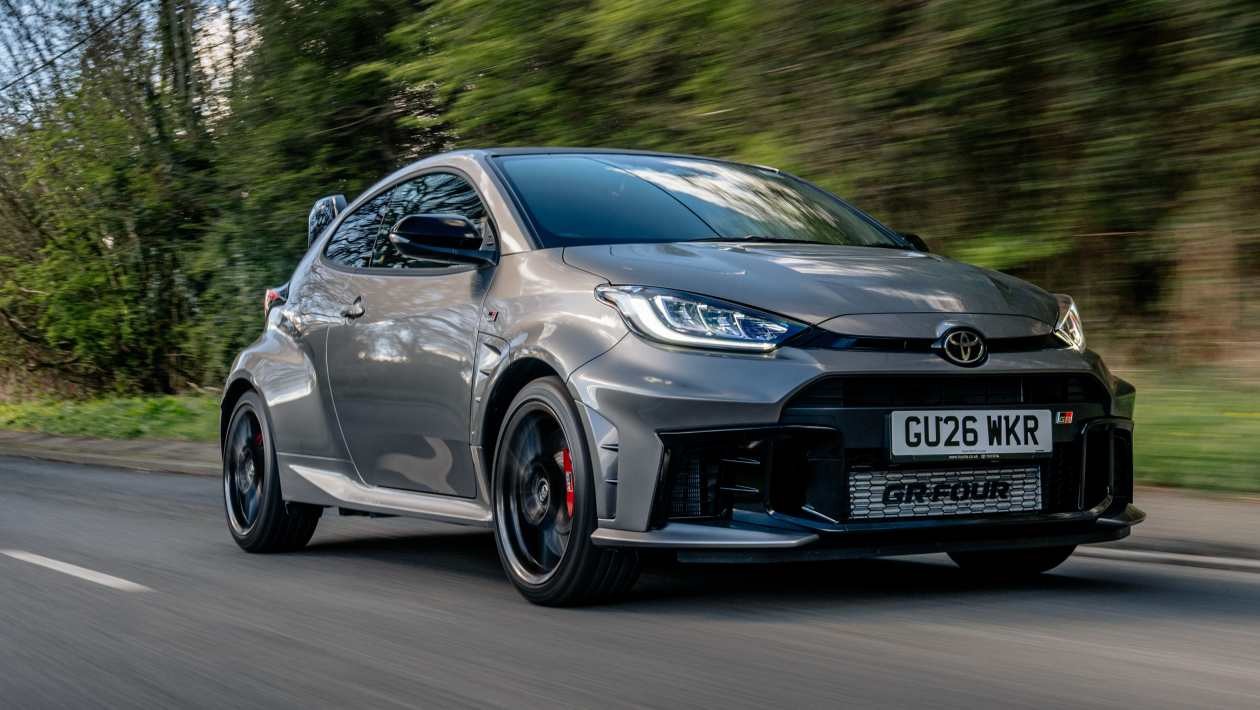
The Toyota GR Yaris remains one of the most compelling performance cars on the market, bridging the gap between daily drivability and serious motorsport capability. With the introduction of the Aero Performance package, Toyota has refined this unique vehicle, pushing its price toward £50,000 while enhancing its visual aggression and track-day readiness.
This model represents a rare phenomenon in the automotive world: a production car that is a direct descendant of a World Rally Championship (WRC) contender. While competitors like Mitsubishi and Subaru have retreated from this niche, Toyota’s Gazoo Racing division has doubled down, offering enthusiasts a machine that mirrors the spirit of its racing siblings.
Aerodynamics and Cooling: Form Meets Function
The “Aero Performance” designation is not merely cosmetic. The package introduces several functional exterior modifications designed to manage airflow and heat, particularly for owners who intend to use the car on race tracks.
- Rear Spoiler: A manually adjustable rear wing adds downforce. While it is a substantial piece of plastic that may rattle when the boot is closed, it serves a critical aerodynamic purpose at higher speeds.
- Front and Underbody Tweaks: A new lip spoiler beneath the front bumper’s large air intake, combined with a redesigned undertray, helps smooth airflow beneath the vehicle. Additionally, new ducts in the rear bumper further refine aerodynamic efficiency.
- Thermal Management: To combat heat buildup—a common issue in high-performance rallying—the aluminum bonnet now features dedicated grilles and ducts to expel hot air from the engine bay. New ducts behind the front wheels also assist in keeping brake temperatures in check during aggressive driving.
Why this matters: For everyday commuters, these changes are largely invisible. However, for track enthusiasts, improved cooling and aerodynamic stability can mean the difference between consistent lap times and overheating components.
The Handbrake Controversy: Style vs. Usability
The most significant interior change in the Aero Performance model is the relocation of the manual handbrake. Previously situated next to the cupholders, it has been moved to a vertical position on the center console, between the steering wheel and the gear lever.
This design choice is a direct homage to WRC vehicles, where drivers like Elfyn Evans use a vertically mounted handbrake to execute rapid, high-speed turns on gravel stages. While this enhances the car’s “rally heritage” aesthetic, it introduces practical compromises:
- Obstructed Controls: The new handbrake housing partially blocks access to the driver’s temperature controls, heated steering wheel switch, and drive mode selector.
- Gear Shifting: Its proximity to the gear lever can make shifting into fifth and sixth gears slightly awkward, requiring drivers to reach around the lever.
Despite these ergonomic hurdles, the change is unlikely to deter buyers. The vertical handbrake reinforces the car’s identity as a serious performance machine, and the dashboard layout—designed to accommodate data loggers—further emphasizes its racing roots.
Driving Dynamics: Pure, Unfiltered Engagement
At its core, the GR Yaris is a driver’s car. Powered by a punchy 1.6-liter three-cylinder turbocharged engine producing 276bhp and 345Nm of torque, it delivers an engaging and visceral driving experience.
- Performance: Acceleration from 0-62mph takes just 5.2 seconds, with a top speed of 143mph. The six-speed manual transmission offers short, precise throws, allowing for skilled heel-and-toe shifting. Alternatively, an automatic rev-matching feature can assist less experienced drivers.
- Handling: The permanent four-wheel-drive system, paired with Michelin Pilot Sport tires, provides exceptional grip. The steering is quick and responsive, allowing drivers to carry significant speed through corners.
- Driving Modes: Three distinct modes—Normal, Gravel, and Track—adjust power distribution between the axles. While an Eco mode exists, it offers minimal fuel savings, reflecting the car’s primary focus on performance rather than efficiency.
The ride is firm, but the car’s compact dimensions and balanced weight distribution make it highly capable on narrow, twisting roads. It is a vehicle that demands engagement and rewards skill.
Practicality and Price: The Cost of Exclusivity
The GR Yaris is not a practical supermini. Its four-wheel-drive system and performance-oriented design come at the cost of interior space and cargo capacity.
- Interior Space: The large, bucket-style front seats encroach on rear legroom, making the back seats suitable only for short trips or children.
- Cargo Capacity: The boot offers a mere 174 liters of space, significantly less than the 286 liters available in the hybrid Yaris. It is best viewed as a two-seater sports car rather than a family hauler.
Price Point: The Aero Performance model starts at £49,145. This is a substantial increase from the original launch price of around £30,000. However, given the lack of comparable alternatives in the market, Toyota faces little competition. The GR Yaris offers a unique combination of rally-bred engineering, manual transmission engagement, and four-wheel-drive capability that no other production car currently provides.
Conclusion
The Toyota GR Yaris Aero Performance is more than just a trim level; it is a statement of intent. By prioritizing aerodynamic efficiency, thermal management, and rally-inspired ergonomics, Toyota has created a car that is as serious about performance as it is about heritage. While the high price tag and reduced practicality may limit its appeal to a niche audience, for enthusiasts seeking a genuine, road-legal rally experience, there is simply no alternative.