I know what to do. You climb a steep hill and wait for the brake light of the car in front of you to turn red and the traffic light to change. When the light turns green, you’re stuck behind two or three cars. Take your foot off the brake. If you have a manual transmission, your weight shifts from the clutch to the gas pedal.
But there is a gap. It’s a small, scary window where the engine hasn’t started yet, the clutch may still be slipping, and gravity is winning. The car rolls backwards. Just a foot. Then two.
The panic started. The bumper of the SUV behind you fills your rearview mirror.
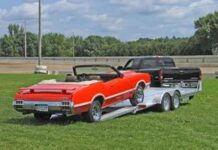
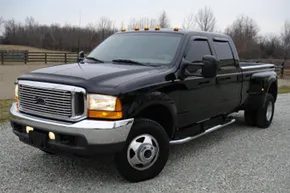
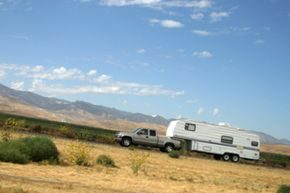
Most of us have muscle memory for this. We press the gas pedal, press the clutch and hope for the best. It’s an inevitable reaction that comes from years of minor accidents and the occasional slow fender bender. But Imagine driving a big truck or RV with a trailer. physical changes. The pace has changed. The risk is more than just a dent. It was a multi-vehicle collision.
Wouldn’t it be nice if the car held its own?
Enter Hill Start Control. Also known as Hill Start Assist or Hill Holder. It’s not a new invention, but there’s a good reason why it’s standard equipment on modern vehicles. This removes human error from the element’s steepest starting points.
How hill start control works
The system is simple in theory: it keeps the car stationary until the driver signals that it is ready to start. However, the implementation varies greatly between manufacturers.
Most systems rely on a combination of sensors. They just don’t guess. they measure.
- Tilt detection: The car’s electronics monitor its angle. If the slope is steeper than the set threshold (usually around 3 degrees), the system marks the car as “uphill”. This is a basic trigger. Sometimes the potholes can trick you, but the main clue is the constant slope.
- Brake pressure: The system monitors how hard you press the brake pedal. When the pressure drops to zero, the danger zone opens.
- Clutch position (manual): In vehicles equipped with a manual transmission, the clutch is the weak link. When you release your hand, the motor’s braking torque is released. The system monitors the clutch pedal. When you release the brake on a slope, the holding device is activated.
- Engine torque: In automatic and modern manual transmissions, the system checks if the engine is producing enough torque to propel the car forward against gravity. If the rpm is high enough and the load is controlled, the system releases the brakes.
- Backward motion: Some advanced settings actually measure backward motion. If the car moves even a centimeter backwards, the system becomes more efficient.
No matter which method you use, the result is the same. The car holds itself stationary for a few seconds. This gives the driver time to transition from braking to accelerator without the car slowly backing into traffic.
The Components Behind the Hold
You don’t need a degree in mechanics to understand that this is not a mechanical lever that holds the car in place. It’s electronic.
Hill Start Control The system is integrated into the vehicle’s current stability and braking architecture. It uses information from the ABS (Anti-Lock Braking System) sensor and the ECU (Engine Control Unit).
When conditions are met (tilt detected, brake released, forward torque insufficient), the ECU sends a signal to the hydraulic brake controller. The brake pressure increases temporarily. This is not an emergency stop. It’s a gentle, sustained hold. This hold usually lasts 2-3 seconds.
That’s all you need. There is enough time to run the engine, engage the clutch and automatic transmission.
If you do not continue in this window, the system will be released. It won’t hold your car forever. This is an auxiliary device, not a parking brake.
This technology bridges the gap between driver anxiety and mechanical reality. Turn a potentially confusing moment into a regular part of your commute. But how to install this hardware? Is it worth looking for in a used car? We will explain more in the next section.
Take your foot off the brake. The engine catches. The car holds its ground. When you hit the gas, it moves forward without the dreaded surge or roll-back.
Hill start control. This is not magic. It’s just really fast math.
Behind the scenes, several sensors and control units are talking. They happen faster than you can think about whether you’re going to hitting the car behind you. Although this system does not require all of the components described below, most implementations are based on this toolkit.
Sensors have a big responsibility
The system needs to know three things: where you are, how heavy you are, and how hard the engine is pushing you.
The Angle sensor tells the ECU the slope. If you are on a steep slope, the calculations change. The car needs more grip.
Pressure sensors in the suspension handle the weight. These sensors (which can be piezoelectric sensors or strain gauges) measure the load Whether you’re carrying a driver or a full load of luggage or passengers. They send an electrical signal proportional to that weight. The ECU uses this to calculate the total mass.
A torque sensor track the drivetrain. They measure the rotational force transmitted from the engine to the wheels. When you’re stopped, the force must be zero. When you press the gas pedal, it spikes. The sensor tells the computer exactly how much torque is being applied.
Wheel speed sensors on the axle monitor direction and speed. They confirm the wheels did not slip backwards.
Brains and Brawn
All this information flows to the Electronic Control Unit (ECU). This is an embedded computer that makes decisions in a fraction of a second.
The ECU calculates the driving resistance. This is the sum of the force of gravity pulling you down the slope and the force of friction holding you back. The weight of the pressure sensor and the angle of the angle sensor are taken into account.
The ECU calculates the exact force needed to keep the car stationary and the exact torque needed to drive it uphill.
When the ECU determines that the brakes should stay on, it sends a signal to the brake actuator. This device converts electrical commands into physical action. It opens valves, directing brake fluid to the brake caliper and tightening the brake caliper.
In hybrid cars, the system can completely bypass the hydraulic brakes. Instead, it uses an electric motor to propel the car forward and prevent it from rolling backwards before it starts.
The Handoff
This is a critical moment. You start to accelerate.
The torque sensor detects the input. The ECU compares the engine output with the calculated traveling resistance.
When the torque exceeds the resistance, the ECU tells the brake actuator to release the brakes.
Ideally, you won’t notice anything. The transition is smooth. The brakes fade out as the wheels gain traction. You don’t feel the brake force lingering after release. You don’t worry about rear-ending the traffic behind you.
Driving safety is rarely this painless. Usually, there’s a jolt. There’s a moment of panic. Hill start control removes that friction.
Are the safety benefits worth the additional sticker? That’s a question for later. For now, just know that the system is working.
The silent hero of your daily commute
The hill start assist is not flashy. Not shown in ads. But it works. Save the bumpers. The immediate benefits are obvious. It stops the rollback. No one wants a sedan to slide backwards into a parked SUV or onto the sidewalk. The scar is real. Repairs are more expensive.
But look beyond the driver’s seat. This system protects rear traffic. A rolling car creates a hazard for everyone. If such a decision were to be issued, it could be considered a public safety measure rather than a life-saving measure like a seat belt. Small accidents cause big traffic jams. Preventing them helps the flow.
Think about the wear and tear you avoid. Manual drivers know the pain of “”bite point.””. You ride the clutch. You heat up the friction material. Hill start control eases this burden. The computer holds the brakes. Move the pedal to the gas pedal. The clutch no longer slips. No more premature wear and tear on components costing hundreds of dollars to replace.
And it’s not just the clutch. When a car rolls back, the drivetrain takes a hit. The engine and transmission must overcome gravity to regain power. That’s strain. This is heat. That’s stress on bearings and gears. The system can help you get started on the road and keep the car in place, so it’s easy to get there. It makes the startup smooth.
Comparison with airbags. Airbags can save lives in high-speed crashes. Hill-start assist saves your sanity on a steep incline. Airbags may never be needed. Hill assist is always needed when you park your car on a slope in the city. This is an everyday tool. It can reduce driving stress. It turns a potential disaster into a non-event.
This is one of those features you don’t think you’ll see until it’s gone. The same goes for the rear camera. The car doesn’t have to move. They just make life easier. This is not about avoiding death. This avoids the embarrassment of having to return to the fire hydrant.
Technology develops rapidly. Early patents from the 1980s focused on basic brake valves. Later systems integrated with transmission logic. Currently, most of the latest vehicles are equipped with standard equipment. Implementations vary from Lexus to Subaru. But the goal is the same. Hold the brake. Release when torque is applied.
You don’t realize it works. You notice that you didn’t have to panic. You notice that the car behind you didn’t honk. I found that I didn’t have to pull and release the handbrake lever with surgical precision. It’s a small thing. But little things add up.
The next time you’re climbing a steep hill, keep an eye on the tachometer. Monitor the brake pressure. The system works in the background. This is not magic. It’s just great engineering. This is one of the reasons why modern cars feel easier to drive than 20 years ago.
There are always hills. Cars don’t have to fight alone.