


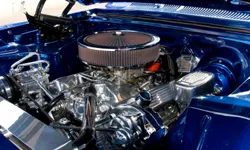
you don’t think about it. you turn the key. The pistons fire. You drive. It’s a black box until it stops working or starts making weird noises like a bag of wrenches in a dryer. That’s when the panic starts. Most of the time we think of the internal combustion engine as a magic box that just work. But they aren’t. These are complex, highly precise machines that demand respect. Respect is money and time spent on maintenance.
If you don’t want your car to turn into a very expensive paperweight, you need to intervene before the problem occurs. Reactive maintenance is for amateurs. Proactive care protects your wallet and your sanity. Here’s how to stop engine degradation before it’s too late.
Change the engine oil regularly
This is the holy grail of engine maintenance. You know this, right? You’ve probably heard this phrase since you got your driver’s license. But Do you really know why not changing your oil is a death sentence for your engine?
Motor oil is more than just a lubricant. It’s a coolant. It’s a cleanser. It’s a sealant. Removes heat from the block. Prevents clogging of oil channels due to sludge. Prevents metal-to-metal contact that can damage bearings in seconds. If you ignore the oil, you ignore the lifeblood of your machine.
The previous recommended distance was 3000 miles. This applies to oils from the 1990s and older engine tolerances. Modern synthetics and tighter manufacturing specs allow for longer intervals, but “longer” doesn’t mean “never.”
The Rule of Thumb: Check your owner’s manual. If you drive in stop-and-go traffic, tow a trailer, or live in extreme heat or cold, shorten that interval by 25%.
Using the wrong viscosity grade is just as problematic as using old oil. If your engine calls for 0W-20, using 5W-30 for a month may be fine, but can cause insufficient cold start lubrication or increased drag. Stick to the manufacturer’s specification. And don’t cheap out on the filter. A bad filter can bypass dirty oil and go straight into your clean engine. One-way ticket to Sludge City.


Skipping oil changes is a shortcut to seized engine. You don’t need a mechanical engineering degree to understand this. Lubrication is not negotiable. Without this, the metals rub against each other. Heat spikes. Parts are warped. There will be permanent damage.
How often should I change my oil?
The old “3000 mile rule” has been virtually eliminated from modern vehicles. The current oil change every 5000 miles is the safety standard. Driven approximately 8047 km. Some synthetic blends take this even further. Older engines with high mileage may need to be replaced sooner. Check the manufacturer’s recommendations. If you’ve lost your owner’s manual, a quick internet search will give you the interval for your make and model. Don’t guess. Follow the technical information.
This is the part that people tend to overlook. The oil filter should also be changed at the same time. This is not an option. The filter captures dirt, metal shavings and debris. A clogged filter can cause dirty oil to bypass or cause a lack of engine flow. new oil. New filter. A simple equation. Clean oil circulates. Heat dissipates. Parts stay cool.
9: Keep your cooling system working properly
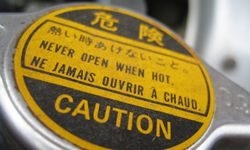
Lubrication is not the only means against heat. The cooling system does half of the heavy lifting. Ignoring it will leave you with a blown head gasket or a cracked block. The radiator, thermostat, water pump and hoses control the temperature together.
Check the amount of coolant once a month. Check for leaks under the car. Check the hose for cracks or bulges. If bubbles appear, bleed the system. Air pockets can cause hot spots. Hot spots can melt the sealant. Gaskets fail. Engine overheats.
Flush the coolant according to your maintenance schedule. The old coolant has lost its corrosion inhibitor. It turns acidic. It eats away at aluminum and steel components from the inside out. Don’t wait until you see the red line on the temperature gauge. Prevention is cheaper than buying a tow truck or a new engine.
8: Let the engine breathe
You’ve topped off the oil. You’ve checked the fluid levels. Now remember that an engine is basically an air pump. If it can’t breathe, it can’t run. The intake system is the other half of the combustion equation, and neglecting it can lead to overheating and the same suffocation attack.
Air filters are cheap. The damage caused by a clogged filter is not.
If the filter is not changed, you’re choking the engine. It has to work harder to get oxygen. The result? It leads to poor gas mileage, slow acceleration and increased internal wear. You aren’t saving money by waiting until the lights come on. You’re just postponing the inevitable repair costs.
Check your owner’s manual for the recommended interval. in the user manual. Usually, it’s between 15,000 to 30,000 miles depending on driving conditions. If you drive in dusty areas or do a lot of stop-and-go city commuting, with a lot of stop and go traffic, halve the intervals.
Dirty filters can restrict airflow. The engine control unit (ECU) compensates by adding more fuel. More fuel and less air means incomplete combustion. That’s carbon buildup. That’s reduced power. That money is wasted.
Replace the filter. It takes 5 minutes. You don’t need a mechanic for this. Just open the hood, find the air box, unclip the housing, replace the filter and clip it back up.
Don’t skip it.
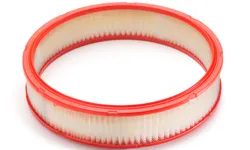
You don’t need to be a mechanic to understand the basics. Your car breathes. Just like your lungs burn after a long drive, your engine needs oxygen to burn fuel. It’s a simple chemical reaction, but if the air supply is cut off, the whole system fails. This is where air filters come into play.
Think of it as your lungs’ first line of defense. Bugs. Leaves. road dust. The air filter catches it before it can wreak havoc in the combustion chamber. Clean filters mean clean air. A blockage means the engine is starved of oxygen or sucking in debris. What was the result? Poor performance. Misfires. It can also cause permanent damage.
How often you need to change your air filter depends on where you drive. If you drive on dusty back roads, you need to be more careful. Highway cruises are becoming gentler. However, there is a rule that must be checked every time you change the oil. It takes 10 seconds. Look at the filter. If it’s gray, black, or looks like it’s walked through a war zone, replace it. Don’t guess. Replacing them provides cheap insurance against engine wear and clogged fuel injectors.
A clean air filter just doesn’t last longer. This is to maintain the correct air-fuel ratio for optimal combustion.
7: Check for leaks
After arranging the air intake, see below. And around. And inside. Leaks are mysterious. They don’t always announce their presence with dramatic hissing sounds or puddles in the driveway. In some cases, it just steals efficiency.
Start with the obvious liquid. engine oil. coolant. Transmission fluid. brake fluid. power steering fluid. Check the dipstick. Look under the hood and check for new dirt on the valve covers or oil pan. Drive around and look for drops on the pavement. But don’t stop there.
Coolant leaks are particularly troublesome. You may notice a sweet scent wafting through the cabin. Or your temperature gauge may be higher than normal. The dash heater core can leak, leaving the carpet damp and the distinct smell of sugar. It’s not just the loss of fluid. It’s about overheating. Overheating will destroy your engine faster than anything else.
Brake fluid leaks are dangerous. If your brake pedal feels spongy, check the lines. Brake fluid is hygroscopic and absorbs moisture from the air. Old liquids lose their effectiveness. Corroded lines can burst. This is a safety critical system. Don’t ignore a low brake fluid reservoir even if you don’t see any puddles. The leak could be in the master cylinder or the wheel cylinder.
Transmission fluid leaks are difficult to detect because transmission fluid is usually dark red or brown, the same color as oil and brake fluid. Check the transmission pan and cooler lines. If you drive an automatic car and the shifts feel harsh or delayed, a low fluid level could be to blame. Gear slippage indicates a drop in hydraulic pressure. This is not a problem that can be solved by quick top-off right away. This usually means that the gasket or seal has failed.
Power steering leaks can affect your ability to turn smoothly. You may hear a whining sound when you turn the steering wheel, especially at low speeds. Check the power steering fluid reservoir. Look

Smell the air before opening the hood. You don’t need a degree in mechanical engineering to know something is wrong. If there is a leak, you may not see the puddle. The scent alone gives it away.
Two fluids are usually suspected. engine oil and antifreeze. Both are important. When they escape, they take performance with them.
Heat kills rubber. Stress promotes decay. Old engine hoses will crack under this pressure. When the rubber deteriorates, the coolant bleeds out. Even worse, it can drip onto hot areas and cause smoke.
Seals are just as vulnerable. They are located between the connecting parts. Rubber and silicone are intended for heavy lifting. Over time, the material breaks down. The seal loses its integrity. Oil finds a way out. Or the fluid is leaking from somewhere other than where it should be. Mixing contaminants is a nightmare to fix.
Check under the hood regularly. Look for wet spots. When you smell the coolant, you will notice a sweet chemical smell or a distinct smell of burnt oil. Look down when you park. Is there a fresh stain on the pavement?
Catching small leaks early can save you money later. Ignoring small amounts of water can lead to catastrophic failure. You avoid tow trucks. You avoid the engine swap. Keep driving.
Keep the Tank from Running Dry
6: Fill Up Your Gas Tank Before It Gets Too Low
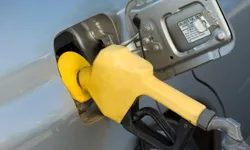
Fuel is not as clean as you think. Even at the pump, gasoline can carry fine sediments. Settled. After years of driving and hundreds of refuelings, residual sludge can accumulate at the bottom of the gas tank. This is why fuel filters exist. This is the gatekeeper. It collects debris before it gets into the fuel line and starves your injectors.
But here comes the problem. If you normally run your gauge to E, sucking from the bottom of the barrel. It’s not just about pumping fuel. It removes accumulated dirt. Filters may be able to handle some of this. Most of it. However, some particles are small enough to pass through the medium.
When the dust passes through the filter, it does not disappear. Go to the combustion chamber. It scratches cylinder walls. The injector may become blocked. It’s harder for the engine to work because it forces the fuel into a restricted path. Internal damage does not always happen immediately. This is cumulative.
“Some recommend keeping it half full all the time. You may not need to fill up often, but be careful not to run out of gas.”
Keeping a buffer helps. Dip the suction pipe in cleaner fuel away from the sediment basin. You don’t have to become a martyr to overcome anxiety. Refill when the needle lowers. Not if it stays on for a week. The lifespan of an engine is determined more by what you don’t put in it than what you put in it.
5: Keep Your Belts On
It goes from the fuel system to the outside of the engine. belt. Rubber strips that look simple, but their function is very important. They drive the alternator. power steering pump. air conditioner compressor. Some engines also have a water pump.
These are not maintenance items that can be ignored until something breaks. They are wear items. Heat cycles them. Ozone breaks them down. Moisture can cause cracks. You probably won’t hear a scream until the belt snaps. By then, the damage has already been done. Overheating. Loss of charging. The power steering is locked.
Check it every time you change the oil. Look for glazing. The shiny, polished look on the rib side means the belt is slipping. Look for fraying on the inner surface. Cracks larger than 1 millimeter are a red flag. It’s not a suggestion. deadline.
No need to wait for the beep. Squeaking is the sound of a belt on its last legs. Replace them proactively. The cost of belts and labor is nothing compared to the damage caused by an Overheatinging tow truck or deck gasket.
The feeling of tension is also important. If the belt is too loose, it will slip. Rubber burns. You fail faster. If the belt is too tight, the bearings are subjected to excessive stress. This puts stress on the alternator and water pump shafts. The right tension is the sweet spot. Not loose. Not too tight. That’s right.
Most modern cars have serpentine belts. One long belt doing multiple jobs. When a belt breaks, you lose almost everything your car doesn’t need to run. You can drive it to a shop. only. But you can’t go very far. And you won’t be alone for long.
The alternator stops
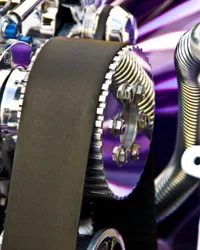
We’re not talking blazers here. We’re talking about the serpentine belt that wraps around the front of the engine block and the drive belt attached to it. These rubber bands may look simple, but they are a circulation system for the vehicle’s auxiliary components. Their work is non-negotiable. It runs the water pump, the alternator, powers the air conditioner compressor, and runs the cooling fan. You don’t need to be a mechanic to know that when these belts stop, the car stops.
They are constantly exposed to stress and heat. It works every time you turn the key. This means you can earn miles quickly. Modern belts can last hundreds of thousands of miles, but they won’t last forever. Finally, the heat cycle dries the rubber. Cracks are visible on the surface. If the belt breaks while driving on the highway, the effects extend beyond the belt breaking. The water pump stops. The engine can overheat in a matter of minutes. The metal melts. The seal has burst. This is a devastating chain reaction.
How to check for cracks in the engine belt
No lifting is required to check the drive belt. Open the hood. Look for main serpentine belt. Turn off the engine and let it cool down. Scan the ribs on the inside of the belt with a flashlight. Check for wear. Look for glazing that looks like shiny, polished rubber. If you find deep cracks in the ribs, replace them immediately. Don’t wait for it to fall apart.
A squealing noise is a warning sign. If you hear a loud squealing sound when starting the car or turning the steering wheel, the belt may be loose. It is also possible that the tensioner has a malfunction. The rotating belt hits the pulleys, generating heat and causing wear. If the belt is loose, the power cannot be transferred efficiently. The alternator might not be able to charge the battery. Air conditioners blow out warm air. Fixing a squeal is inexpensive. This does not apply to engine replacement.
Regular inspection of the serpentine belt can prevent catastrophic engine failure and save expensive towing costs.
4: Follow-Up When the vehicle’s warning light comes on
Ignoring a check engine light is a gamble you can’t afford. Modern cars are equipped with sensors everywhere. They communicate constantly with the on-board computer. If the light comes on, it’s not a suggestion. That’s the code. The car reports a problem with the emission system, fuel mixture or ignition timing.
If the light is stable, drive carefully to a shop. If it is flashing, pull over. A flashing light usually means a serious misfire that can damage the catalytic converter in seconds. This part is more expensive than most used cars. Don’t ignore the light because you think it might go out. It never goes away on its own.
Take your car to a mechanic who can read diagnostic trouble codes (DTCs). The generic “check engine” diagnostics won’t help. Requires a specific code. P0300 is random misfire. P0420 is a catalytic converter problem. Knowing the code can help you avoid unnecessary repairs. It also helps to understand the urgency. Some problems are minor. Some are critical. Always follow up.
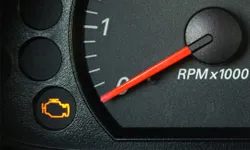
Let’s not beat around the bush. If you see a light on your dashboard and ignore it, you’re in trouble. The check engine light is the most obvious problem, but it’s not the only one. Many modern vehicles have numerous warning lights staring back at you. These are not just decorative lights. Warns of certain faults caused by critical temperature spikes in the alternator, battery or motor.
You might think it’s okay to wait. You can’t.
The price of ignoring the warning lights
All these lights have one characteristic. It is a sign of deviation from normal behavior. Good news? The gas cap may be loose or the sensor may have a minor malfunction. Bad news? You won’t know which it is until you plug in a scanner.
Ignoring these warnings can turn a manageable problem into a catastrophic failure. A small overheating problem can cause the head gasket to blow. A minor alternator failure leaves you stranded on the highway.
How to deal with warning lights:
- **Don’t panic, but don’t ignore it. ** If you notice flashing lights, unusual sounds, smells, or degraded performance, pull over.
- **Perform diagnostic checks. ** Use an OBD-II scanner if you have the tools and expertise. A code will appear on the screen.
- **Fix it or hire a professional. ** If you can’t decipher the code or you don’t have the tools, please contact a mechanic. Let them take the test and correct it.
Even if you wait a few days after the light comes on, a small problem can turn into a bigger, more expensive problem. Engines are complex machines. It doesn’t forgive neglect.
3: Replace the fuel filter
When dealing with these warning lights, you should also consider maintenance that happens in the shadows. Fuel filters are often overlooked until it’s too late. A clogged filter can restrict fuel flow. This causes the engine to starves the engine. Performance decreases. You may experience hesitation when accelerating or your car may have difficulty starting.
For most hobbyists, changing the fuel filter is a simple task. It is usually located in the fuel line, usually under the car near the gas tank. Check the service manual for the exact location and interval. Some manufacturers claim that the filter lasts the life of the vehicle. they are wrong.
Why fuel filter maintenance is important:
- Prevents engine starvation. Dirty fuel can block injectors and restrict flow.
-**Protect your fuel pump. ** A clean filter reduces strain on the pump and extends its service life. - **Maintain fuel efficiency. ** A clogged filter makes the engine work harder and consumes more fuel.
Change it according to the manufacturer’s schedule or earlier if you drive in dusty conditions or use poor quality fuel. This is cheap insurance against expensive repairs later.
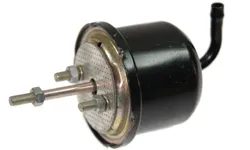
The fuel filter is the unsung heroes of the engine bay. It catches the debris and particles before the contaminants cause serious damage to the injector and combustion chamber. Think of it as a filter that for your gas. If you haven’t replaced it in years, it’s possible that the fuel supply is delayed the clog is likely.
Change before it breaks
The fuel pump will work overtime. Due to this extra strain, the temperature inside the tank will rise and the components will wear out sooner. Replacing it will not only make the idling smoother. This will extend the life of the entire fuel system.
Accessibility varies greatly by manufacturer. Some cars have filters hidden under the seats or in the trunk. アップレールやションドロックのションションションションションションションションションションションションシューションションションションションションションシューションションシューション まるますまする If it’s buried deep, leave it to a professional. Forcing it can crack lines or damage the mounting bracket.
When to change the fuel filter
Signs of a clogged fuel filter
Your car is probably trying to tell you something. Difficulty starting, especially when the engine is hot, is a typical symptom. Also, there are times when you notice a sudden drop in power during acceleration
- ** 金属の金属の英语** – The engine starves for fuel
- Engine misfire – Unstable fuel pressure and rough operation.
- Whining from the fuel tank – The pump struggles against the blockage。
If you see these signs, don’t ignore them. A new filter is cheaper than replacing a new fuel pump or injectors.
How long does a fuel filter last?
Most manufacturers recommend changing the fuel filter every 20,000 to 30,000 miles. Some modern vehicles claim that their filters are “for life”, but this is usually a marketing misconception. The old tank is rusted. Debris was scattered around the old tank. This debris ends up in the filter.
Check the user manual for specific intervals. If you drive off-road or in areas with poor fuel quality, change it earlier. Dirty fuel can quickly damage the filter.
Relax while starting and parking
The myth of idling the warm-up
You’ve probably seen people tying their shoes while sitting with the car engine running. This is not necessary. Modern fuel injected engines do not require idling to warm up. They just have to move.
Idling the engine for more than 30 seconds to warm it up will do little to extend its life. In fact, it may do more harm than good. A cold engine run rich. Excess fuel can wash oil from the cylinder walls and increase wear. In addition, idling burns fuel you’re not using to get anywhere
How to properly warm up the engine
Drive lightly for the first few minutes. Keep the revs low. Avoid sudden acceleration until the coolant gauge reaches normal operating temperature. This circulates the oil faster than idling. With it, the catalytic converter also reaches the light-off temperature, which reduces emissions.
It’s a different matter if your car is equipped with an start-stop system. This system shuts down the engine at stops to save fuel. It restarts seamlessly. There is no need to disable it. Just trust the system. Designed to minimize wear during brief shutdowns.
Eliminate fuel wastage while idling
Idling combustion is about 200 years old.

Driving in the city wears out the engine faster. Think of a sprinter who is forced to stop every 30 seconds. Your car’s engine can suffer the same fate when driving in traffic. Constant acceleration and deceleration wears out components faster than steady state operation.
Road driving is the magic bullet. It keeps the rpm stable. It keeps the heat even. Fuel efficiency is improved because the engine is not fighting inertia every few seconds. If you can avoid getting stuck, do it. Your gas mileage will improve. The service life of the motor is extended accordingly.
1: Change the Spark Plugs and Wires
The ignition system is the heart of combustion. A dirty or worn spark plug can cause a misfire. There will be waste fuel. It also produces unburnt hydrocarbons that foul the catalytic converter. Changing is not just maintenance. It’s about maintaining performance.
Check the owner’s manual for specific gap and heat ranges. Using the wrong plug can cause pre-ignition or fouling. Older vehicles with distributor caps and rotor arms also require spark plug wire replacement. Cracks in the insulation can cause a voltage drop. You’ll feel the hesitation. You see the idle roughen.
Modern coil plug systems make things a little easier. No need to worry about wires. Just the plug itself. But the principle is the same. A clean spark means a clean burn. Cleaner combustion improves economy and reduces strain on the transmission.
“Using a treadmill extends the life of the motor. Avoid stop-and-go treadmills.”
2: Regular Oil Changes with the Right Viscosity
Oil is a lifeline. It lubricates, cools and cleans. But not all oil is created equal. Using the wrong viscosity can increase friction. Friction produces heat. Heat can damage the engine.
Follow the manufacturer’s recommendations. If your car calls for 5W-30, don’t switch to 10W-40 thinking it’s better just because it’s “thicker”. High viscosity oil slows the flow during start-up. During a cold start, the engine runs dry for longer. This is when the most wear and tear occurs.
Synthetic oil handles high temperatures better. It breaks down more slowly. It remains liquid even in very cold conditions. If you ride in extreme conditions or tow heavy loads, synthetic are worth the extra cost. Conventional motor oil is suitable for mild driving and short intervals, but it thins and breaks down faster.
Check the oil level once a month. No need to wait for the light. A low oil level means insufficient lubrication. Poor lubrication means metal-to-metal contact. This is not a repair, but an engine replacement.
3: Tire pressure and alignment
Tires are the only point of contact with the road. Low tire pressure increases rolling resistance. The engine works harder. You burn more fuel. The sidewalls flex too much, causing overheating and potential blowouts. Over-inflated tires can reduce grip and cause harsh ride. It also causes premature wear of the center of the tread.
Check the pressure monthly. Do this when the tires are cold. The correct PSI can be found on the sticker on the door frame. Ignore the numbers on the side of the tire. This is the maximum pressure, not the recommended operating pressure.
Alignment affects tire wear and fuel economy. If the tires are misaligned, they will scrape the road. You feel the pull. Tires wear unevenly.
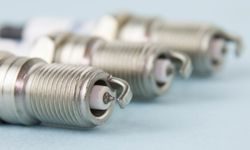
Why is it important to change spark plugs and wires?
The engine’s ignition system is based on a chain reaction started by high-voltage electricity. The distributor sends electrical current to the spark plugs through the spark plug wires. These plugs jump over the gap and ignite the mixture in the cylinder. This process happens thousands of times per minute. When the wire gets old or the plug gets clogged, the spark gets weaker. The result? Rough idle, misfires, slow acceleration.
Most manufacturers recommend replacing spark plugs and wires every 30,000 miles (48,280 km). Some modern setups last longer. However, if you want smooth performance, you don’t have to wait until the check engine light comes on. Change the wires at the same time as the plugs. Old wires have high resistance. Instead of delivering a sharp hot spark to the plug, it wastes energy in the form of heat. Matching new plugs with new wires ensures optimal electrical flow.
This maintenance is easy. It requires basic tools and a little time. The cost is low compared to the damage caused by poor ignition. A healthy ignition system improves fuel efficiency. It also controls emissions. The engine runs more smoothly. You can save money at the pump. And you can avoid major repairs later.
“Replace the wire with a plug. The old wire will ruin the spark ability of the new wire.”
For more proactive engine maintenance tips, see additional resources on engine maintenance and ignition system upgrades.


