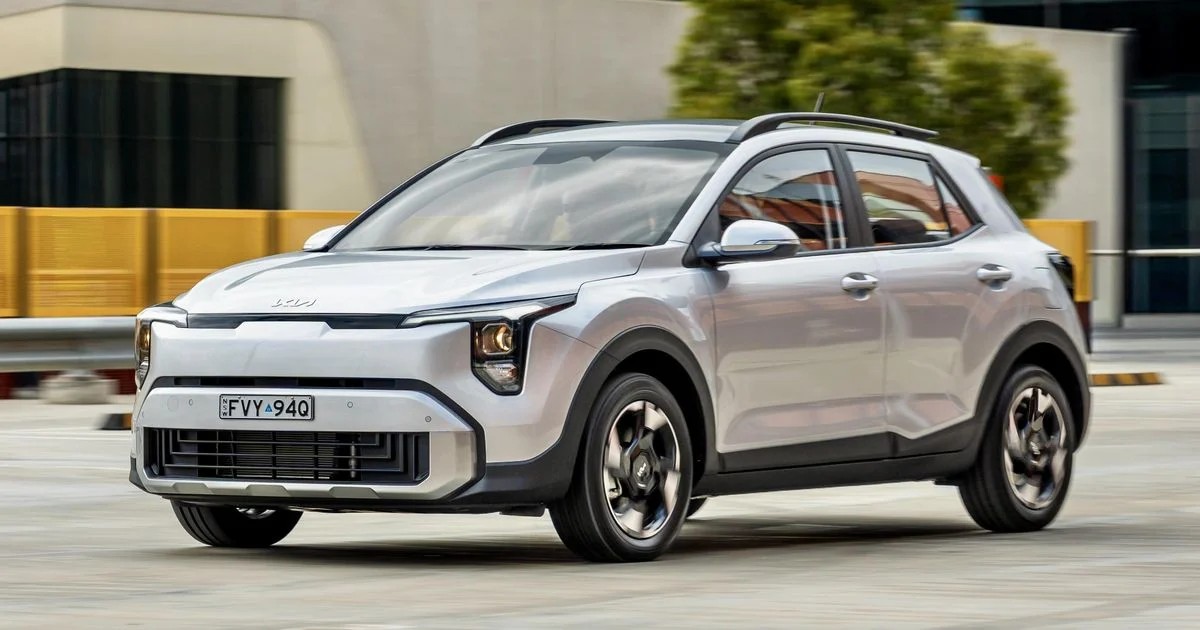
The Kia Stonic has undergone a significant facelift for 2026, but despite the dramatic exterior and interior overhaul, it remains a traditional light SUV facing stiff competition. While the updates make it look more modern, the Stonic’s sales figures tell a different story: they’re down 30.5% in January 2026, while rivals like the Chery Tiggo 4 are seeing explosive growth (up 119.4%). The Stonic’s struggle highlights a broader trend: consumers are increasingly price-sensitive, and the new entrants from China are aggressively undercutting established brands.
What’s New for 2026?
The Stonic’s 2026 update focuses heavily on aesthetics. The exterior now aligns more closely with Kia’s contemporary design language, making it look less like an outdated model and more like a vehicle you’d find in a modern showroom. The interior has also been dramatically improved, with new tech and digital screens. However, these changes don’t seem to be enough to reverse declining sales. The Stonic remains Kia’s second-most affordable model after the Picanto, filling the gap left by the discontinued Rio hatch.
Inside the Stonic S: A Mixed Bag
The base Stonic S starts at $28,180 before on-roads. The interior is a marked improvement over previous generations, but several compromises hold it back. Critical features like connected services and satellite navigation are reserved for higher trims. The plastic steering wheel feels cheap, and the lower-spec trims lack the premium touches found in better-equipped variants.
Interestingly, the S’s 8.0-inch infotainment system offers wireless smartphone mirroring, while the larger 12.3-inch screen is wired-only—a counterintuitive design choice. The instrument cluster remains dated, with a small 4.2-inch LCD screen surrounded by outdated graphics.
Despite these shortcomings, the Stonic S retains some practical advantages. The physical climate control system is refreshingly simple in an era of touch-only interfaces. The car also includes several USB ports and adequate storage, though the center console is littered with button blanks in the base model—a reminder of Kia’s cost-cutting measures.
Performance and Driving Experience
The Stonic S is powered by a 1.0-liter turbocharged three-cylinder engine paired with a 48V mild-hybrid system, producing 88kW and 172Nm. While adequate for city driving, the engine isn’t particularly exciting. The biggest issue, however, is the seven-speed dual-clutch transmission. It feels clunky and unrefined, especially at low speeds.
The ride quality is firm but acceptable, and the Stonic handles reasonably well. However, road noise is noticeable at highway speeds. The mild-hybrid system’s tendency to shut off the engine aggressively can also lead to lag when re-engaging drive.
Safety and Running Costs
The Kia Stonic has not yet been crash-tested by ANCAP or Euro NCAP. It comes standard with six airbags, autonomous emergency braking, lane-keep assist, and other essential safety features. Kia offers a seven-year, unlimited-kilometer warranty, which is a significant selling point. Servicing costs are competitive, though rivals like Chery offer even lower maintenance expenses.
The Verdict
The 2026 Kia Stonic S is a more polished vehicle than its predecessor, but it struggles to stand out in a crowded and competitive market. Its declining sales suggest that consumers aren’t convinced by the updates alone. The Stonic’s biggest weakness is its value proposition: it’s more expensive than many rivals with similar or better equipment, like the Chery Tiggo 4.
The Stonic may appeal to buyers loyal to the Kia brand, but for those prioritizing value, the competition offers more compelling alternatives. Ultimately, the Stonic needs more than just a facelift to regain its footing in the fast-changing light SUV segment.