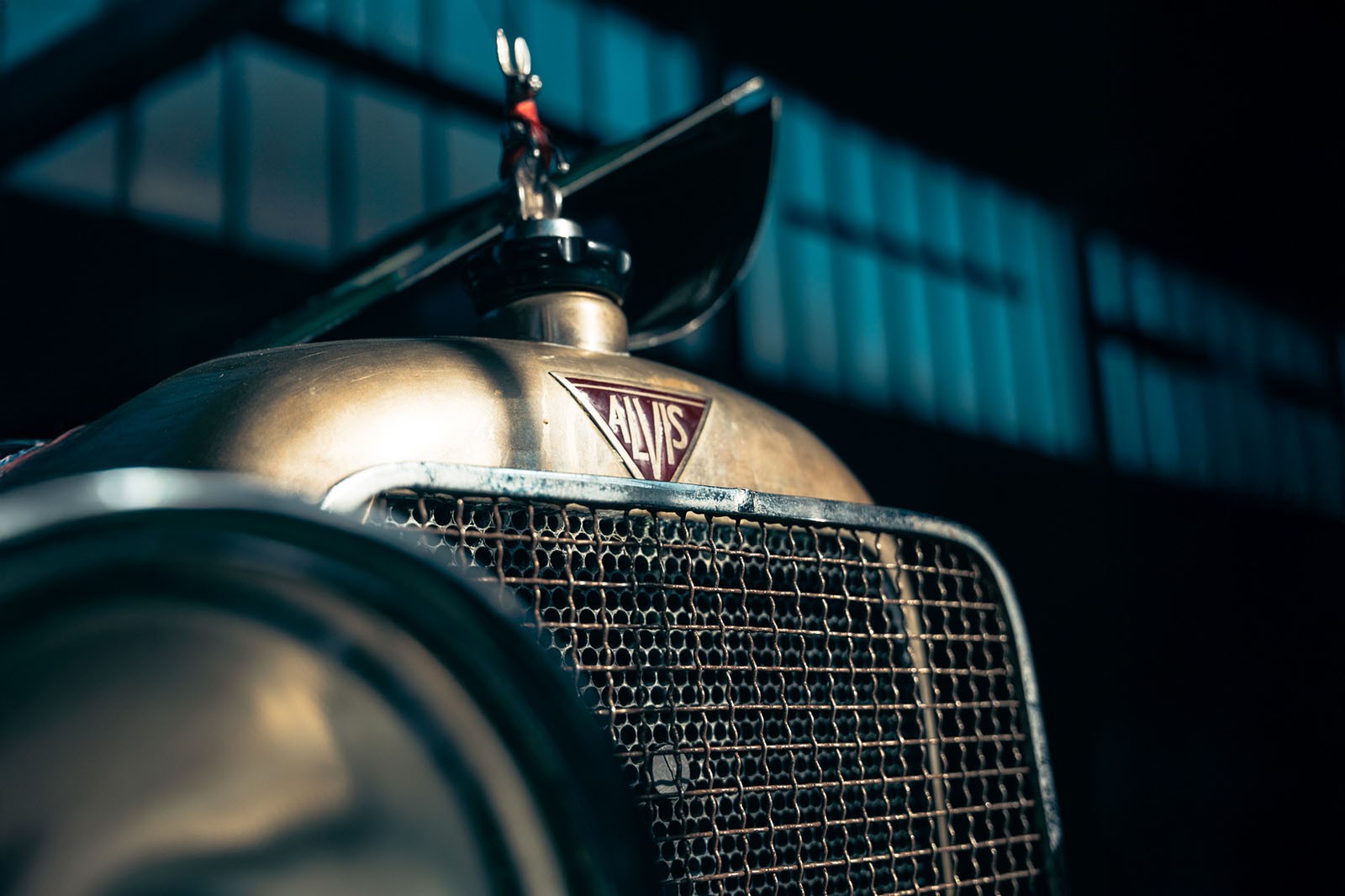
Deep in the heart of Britain’s historic automotive region, a remarkable factory quietly continues the legacy of a bygone era. Alvis, based in Kenilworth, is not just preserving classic cars – it is the primary point for maintaining them, decades after production ceased in 1968.
A Pioneer of Automotive Innovation
Alvis isn’t merely a relic of the past. The company helped invent many standard features in modern vehicles. Synchromesh gears, front-wheel drive, and independent front suspension were all pioneered by Alvis, which even entered a front-driven grand prix racer in the 1920s. Yet, when passenger car production ended, Alvis itself didn’t expect its legacy to endure.
“Back then, owning an old car meant you were either poor or eccentric,” says Alan Stote, the business owner of 30+ years. “Alvis wouldn’t have imagined its passenger division would last more than ten years.”
The Archive of Automotive History
Today, Alvis survives thanks to a consortium of former workers who took over the passenger division. The factory is filled with original parts, blueprints, and ownership records dating back to the company’s early days. This means that when collectors acquire an Alvis, its complete history can be traced and documented.
The level of detail is extraordinary; Alvis keeps detailed records of every vehicle produced. To illustrate this, Stote casually presented original correspondence from Prince Philip to a visitor, showcasing the depth of the factory’s archives.
The existence of Alvis is a testament to the enduring appeal of classic cars and the dedication of those who keep them running. It’s a unique case study in how automotive history can be preserved, not in museums, but in the very factory where these vehicles were once conceived and built.
Alvis’s continued operation is a rare example of a company surviving through passion, preservation, and a surprising degree of historical foresight.