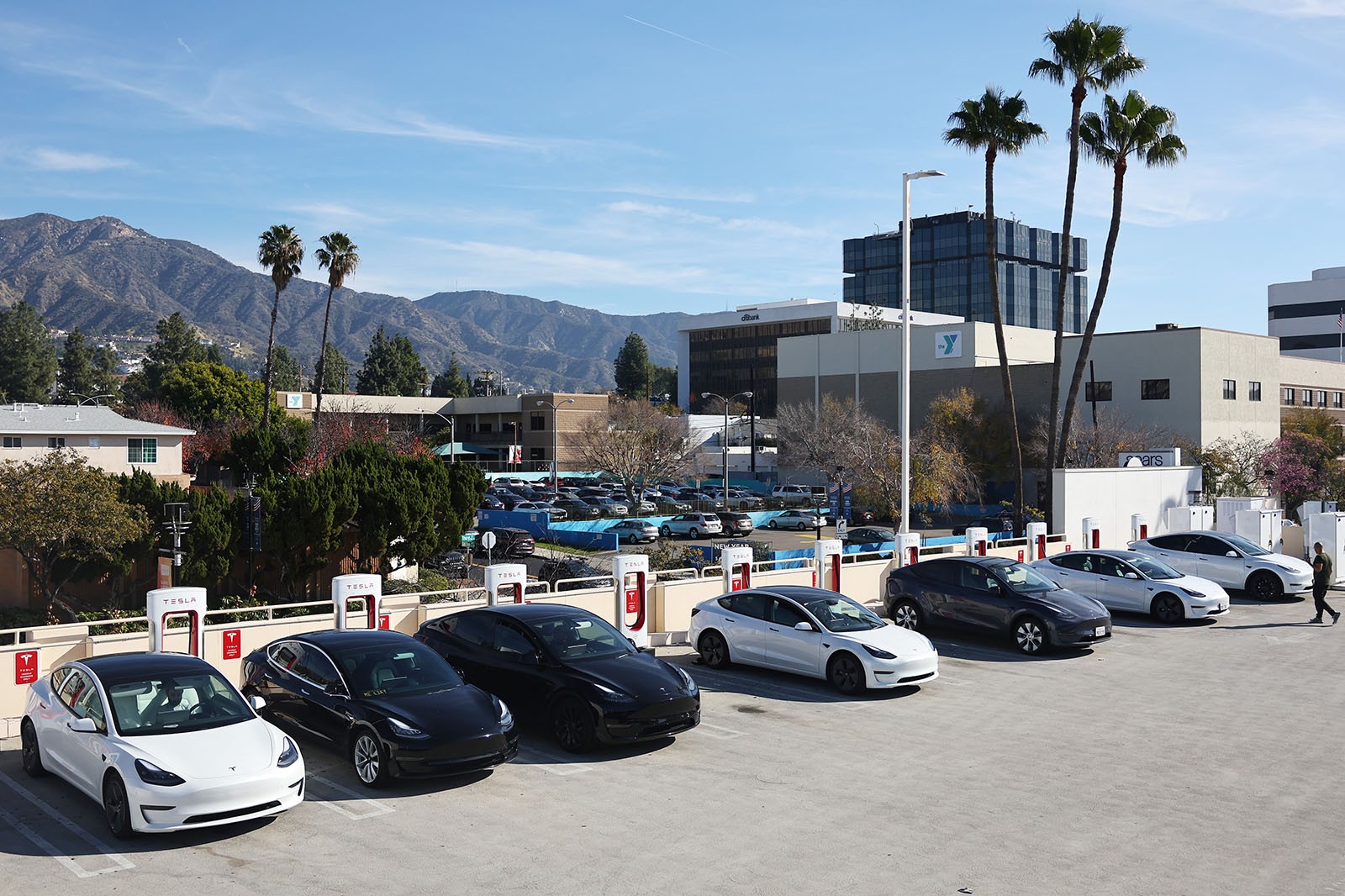
US automakers have scaled back nearly $40 billion in electric vehicle (EV) investments following recent policy changes that rolled back mandatory EV sales targets. Despite this pullback, major manufacturers remain committed to electric vehicle development due to competitive pressures and ongoing state-level regulations.
The Retreat from Mandates
The shift comes after the Biden administration loosened federal requirements that previously aimed for EVs to comprise 50% of new light vehicle sales by 2030. Automakers had aggressively invested in EV production and battery facilities to meet these goals, but the revised stance has prompted significant write-downs. This adjustment reflects a broader uncertainty about consumer demand and the pace of EV adoption in the US market.
Why EV Development Persists
While federal mandates have eased, several factors prevent a complete abandonment of EVs:
- Global Competition: The automotive industry operates on a global scale. US manufacturers must continue to develop electric models to remain competitive against European and Chinese rivals, where EV adoption is more advanced and policy support remains strong.
- State Regulations: Several states, notably California and others following its lead, still maintain strict EV sales requirements. Automakers must comply with these regulations to sell vehicles in these key markets.
- Long-Term Investment: The EV transition involves massive, long-term investments in battery technology, charging infrastructure, and supply chains. Fully reversing course would be economically impractical.
Implications for the Future
The current situation suggests that the US EV market will evolve more organically than under strict regulatory pressure. Automakers will likely focus on hybrid models and consumer-driven EV demand rather than forced adoption.
The US automotive sector is navigating a complex transition, balancing regulatory flexibility with the need for long-term competitiveness in a rapidly changing global market.