U.S. automakers are actively pushing for continued restrictions on Chinese-built vehicles, including those manufactured within the United States, citing national security and competitive concerns. This move highlights a clash between free trade principles, industrial protectionism, and growing anxieties over China’s dominance in the global auto market.
Industry Coalition Seeks Continued Restrictions
A coalition of automotive industry groups – including the Alliance for Automotive Innovation, the National Automobile Dealers Association, and others representing major automakers like GM, Ford, and Toyota – recently urged President Trump to maintain existing barriers to Chinese vehicles. The groups argue that even locally assembled cars with ties to Chinese supply chains or government influence pose risks.
The primary concern centers around a Commerce Department regulation set to take effect in 2025, which effectively limits the import of connected vehicles linked to China. Industry leaders insist this rule must remain in place, regardless of where the cars are built. The fear isn’t just about imported vehicles, but about Chinese automakers circumventing restrictions by establishing U.S. factories while still maintaining connections to Beijing.
The Rise of Chinese Automakers
The pressure from U.S. companies reflects a stark reality: Chinese automakers are rapidly becoming competitive in price, features, and quality. These vehicles are increasingly capable, often undercutting domestic offerings and threatening market share. The U.S. industry has historically relied on protectionist measures to shield itself from foreign competition – including restrictions on Japanese and Korean imports in previous decades, and the enduring “chicken tax” on imported trucks.
The stakes are higher now because modern cars are heavily connected, raising concerns about cybersecurity and potential vulnerabilities. Some foreign governments have already discovered hidden “kill switches” in Chinese vehicles, prompting fears that similar risks exist within the U.S. market. Automakers are not only worried about losing sales but about a potential breach of security.
Trump’s Dilemma
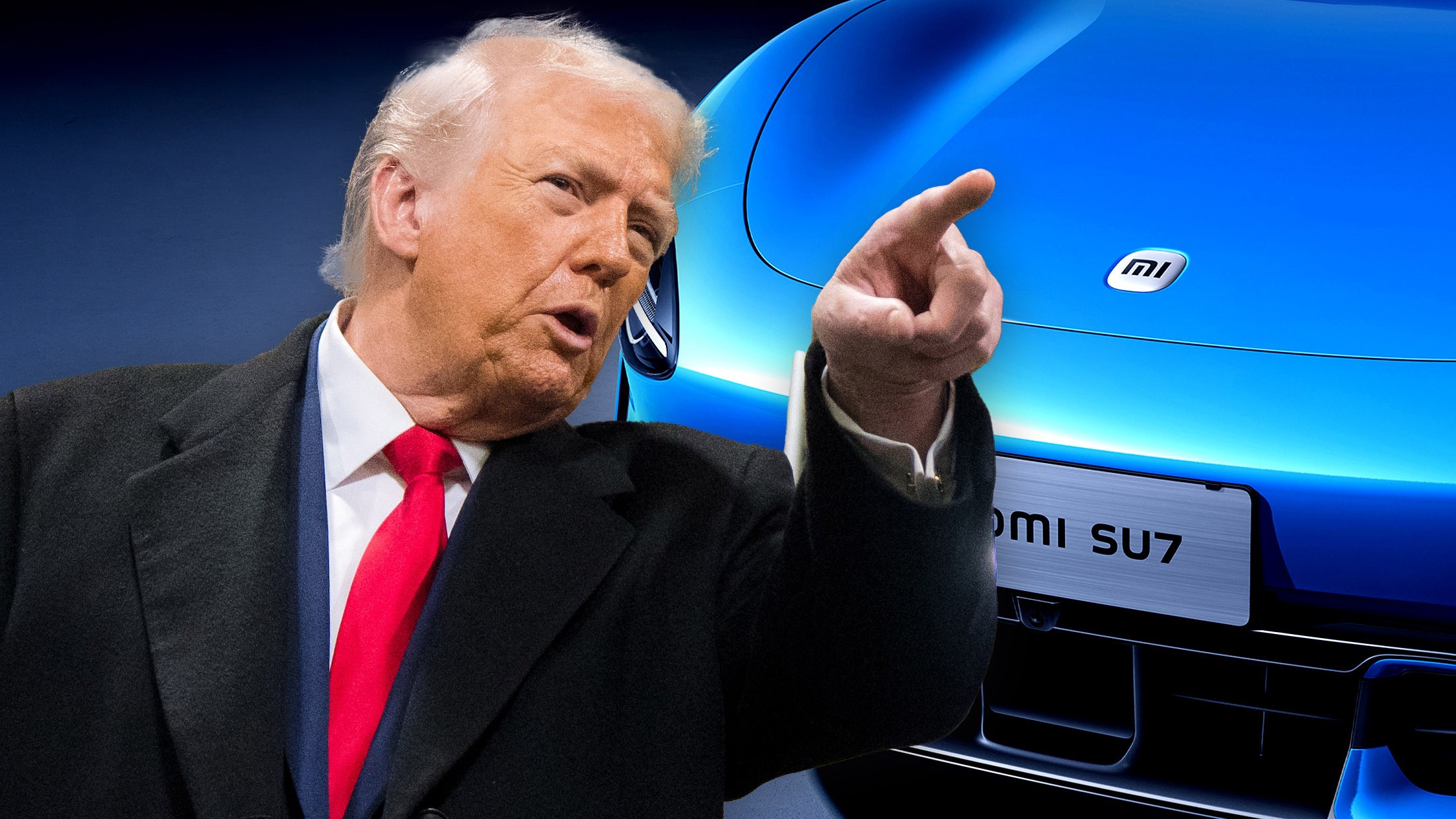
The situation puts Trump in a difficult position. He has previously expressed openness to Chinese cars built in the U.S., creating a contradiction with the industry’s demands for broader restrictions. The administration will face tough choices as it prepares for upcoming trade talks with China, balancing economic interests with national security concerns.
The outcome of these discussions will likely shape the future of the U.S. auto industry for years to come, determining whether it will remain shielded by protectionism or forced to compete on a more level playing field.