In the automotive world, luxury vehicles are notorious for a “race to the bottom” regarding value. The moment a high-end car leaves the showroom, its market price typically plunges. However, one specific icon is breaking the mold, proving that even in the volatile luxury market, some assets are built to last.
The Luxury Depreciation Trap
The broader US automotive market is currently facing a period of high costs. With new car prices soaring—up nearly 40% between late 2018 and late 2025—affordability has become a primary concern for the average consumer. This has shifted much of the market focus toward pre-owned vehicles.
In the luxury segment, this shift is even more pronounced. A study by Boston Consulting Group (BCG) and duPont REGISTRY Group suggests that sales of pre-owned luxury and exotic vehicles will grow 1.5 times faster than new vehicle sales by 2035. This is driven by a fundamental economic reality: luxury cars lose value much faster than mass-market models.
While a standard vehicle might lose about 20% of its value in the first year, luxury models often shed 20% to 30% almost immediately. Several factors contribute to this rapid decline:
– Lease Cycles: High volumes of three-year leases flood the used market with supply.
– Technological Obsolescence: Rapid advancements in software and driver assistance make older models feel dated quickly.
– Maintenance & Perception: Higher ownership costs and concerns regarding long-term reliability often deter second-hand buyers.
– The “Prestige Premium”: Much of the initial sticker price is tied to the “newness” and status of the brand, which diminishes once the vehicle is used.
The Mercedes-Benz G-Class: An Exception to the Rule
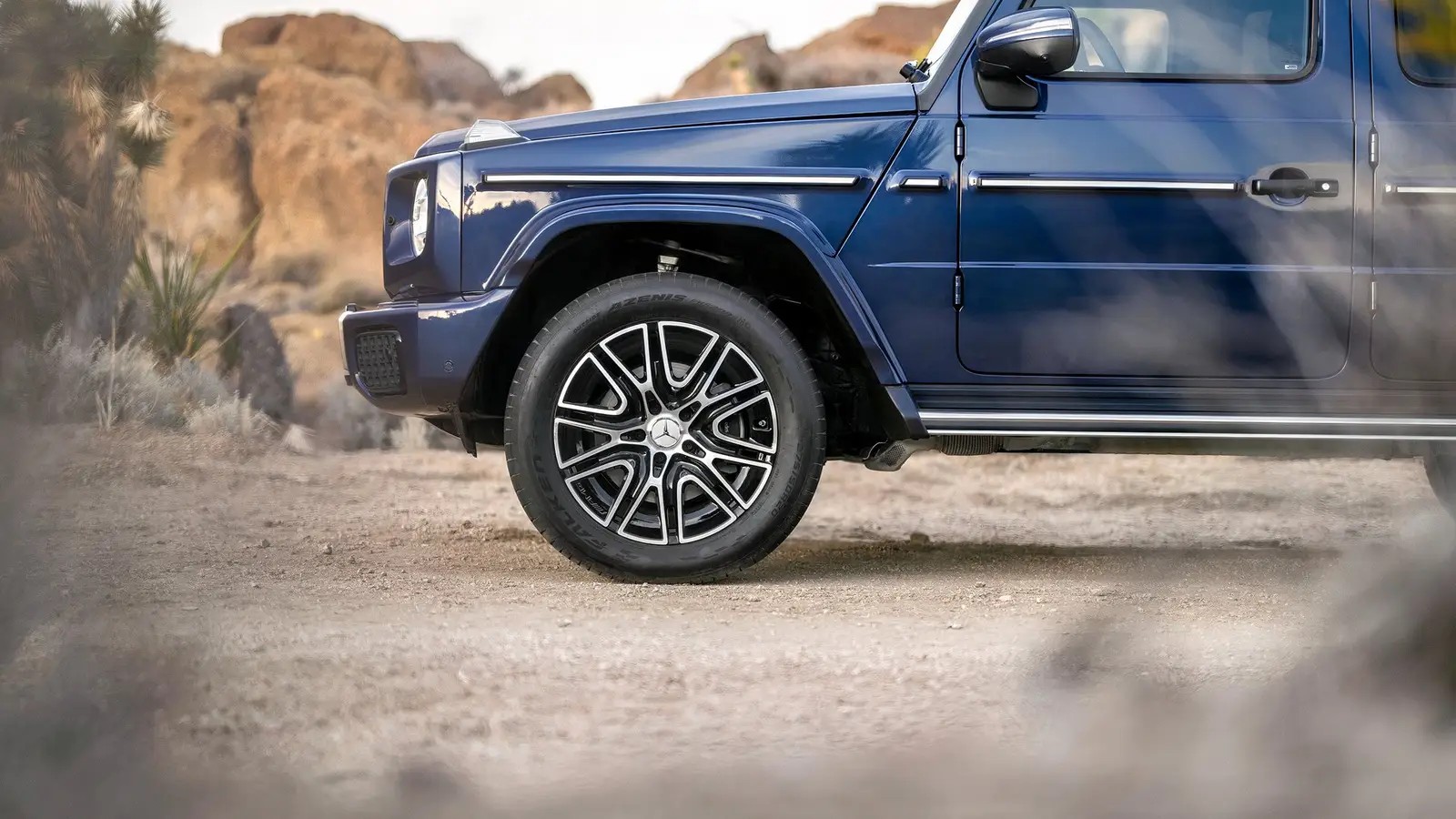
While competitors like the Audi Q8, BMW X7, and even the Range Rover see value drops as high as 50% to 60% over five years, the Mercedes-Benz G-Class (G-Wagen) tells a different story.
Data indicates that the G-Class retains its value remarkably well, losing an average of only 44% over five years. To put that in perspective:
– Mercedes G 550: ~48% depreciation over 5 years.
– Land Rover Defender Octa: ~52% depreciation over 5 years.
– Audi Q8: ~53% depreciation over 5 years.
– BMW X7 (upper trims): ~59% depreciation over 5 years.
According to Kelley Blue Book (KBB), the G-Class consistently ranks among the vehicles with the best resale value, often appearing alongside reliable staples like Toyota. It is one of the few six-figure vehicles to maintain such a high standing in these rankings.
Why Does the G-Wagen Hold Its Value?
The G-Class’s ability to resist depreciation isn’t an accident; it is the result of a unique intersection of scarcity, engineering, and cultural status.
1. Scarcity and Demand
Unlike mass-produced sedans, every G-Class is hand-assembled at the Magna Steyr plant in Graz, Austria. Despite Mercedes-Benz producing record numbers to meet demand, the supply of these vehicles rarely meets the global appetite. This “demand vs. supply” conundrum keeps used prices high.
2. Rugged Engineering
Originally developed as a military vehicle, the G-Class features a “hardcore” build that includes a stiff ladder frame, three locking differentials, and significant ground clearance. This mechanical durability translates to a perception of reliability. While not immune to minor sensor or suspension issues, the model consistently ranks at the top of lists for having the fewest predicted safety recalls.
3. Cultural Iconography
The G-Wagen has transitioned from a utilitarian tool to a global symbol of success. Its unmistakable boxy silhouette and “I have arrived” presence have made it a favorite among celebrities and high-net-worth individuals. This aspirational status ensures that even as a pre-owned vehicle, it remains a highly sought-after lifestyle statement.
The Bottom Line: The G-Class succeeds because it functions as both a high-performance luxury machine and a durable asset, making it one of the few luxury vehicles that acts more like a store of value than a depreciating expense.
Summary: While most luxury SUVs suffer steep value losses due to rapid technological shifts and high supply, the Mercedes-Benz G-Class maintains its worth through limited production, rugged mechanical longevity, and enduring cultural prestige.