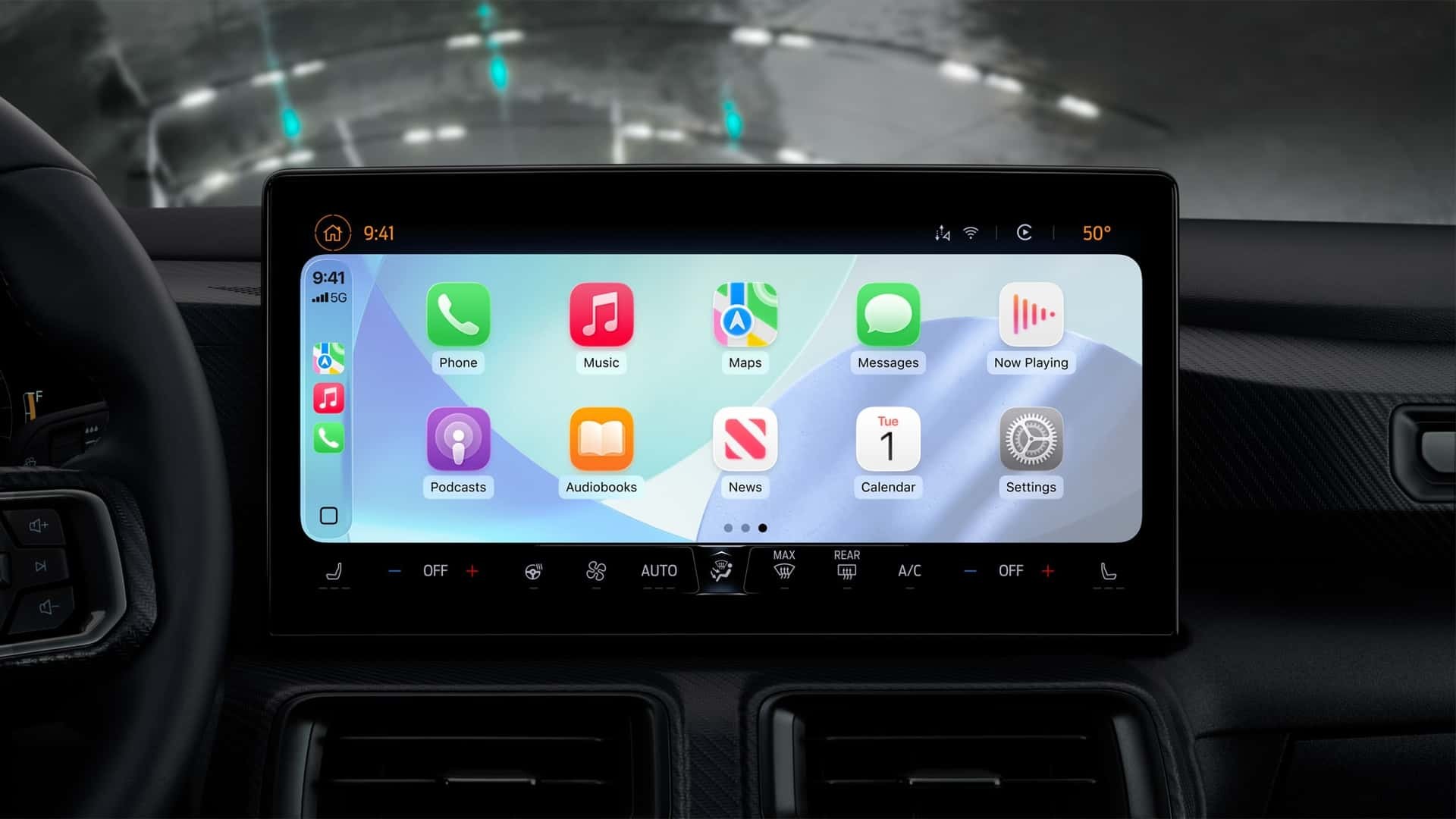
Apple is rolling out video playback capabilities for CarPlay, potentially turning parked cars into mobile entertainment hubs. The feature, promised since last June with the iOS 26 update, is now available to developers in the latest iOS 26.4 beta.
How It Works
Developers can integrate video playback into their CarPlay and CarPlay Ultra apps, allowing users to stream content from their iPhones onto the car’s display. Crucially, this functionality is restricted to vehicles that are stationary. This is likely due to safety concerns—watching videos while driving would be extremely dangerous and illegal in most jurisdictions.
The update includes the addition of the Apple TV app directly to CarPlay’s main interface. This means users could theoretically access their entire Apple TV+ library while waiting in the car.
Why This Matters
The move by Apple aligns with a broader trend in automotive infotainment. Google Built-In already offers access to streaming services like YouTube and Amazon Prime Video, and other automakers are pushing for more in-car entertainment options.
The rise of larger infotainment screens in modern vehicles makes video playback a natural evolution. Many cars now feature displays comparable in size to tablets, making them ideal for streaming content during downtime.
The Catch
The biggest hurdle is automaker support. Apple’s feature will only work in vehicles where manufacturers enable the functionality. This means rollout will be uneven, with some drivers gaining access much sooner than others. It remains unclear whether existing vehicles will receive over-the-air updates to support video playback, or if it will be limited to newer models.
The dependency on automakers could slow down adoption considerably. Just because Apple has unlocked the technical capability doesn’t mean every car will immediately support it.
Ultimately, Apple CarPlay’s video playback feature is a welcome addition, but its success hinges on collaboration with the automotive industry. Drivers should expect a phased rollout, and there’s no guarantee when—or if—their vehicle will be compatible.