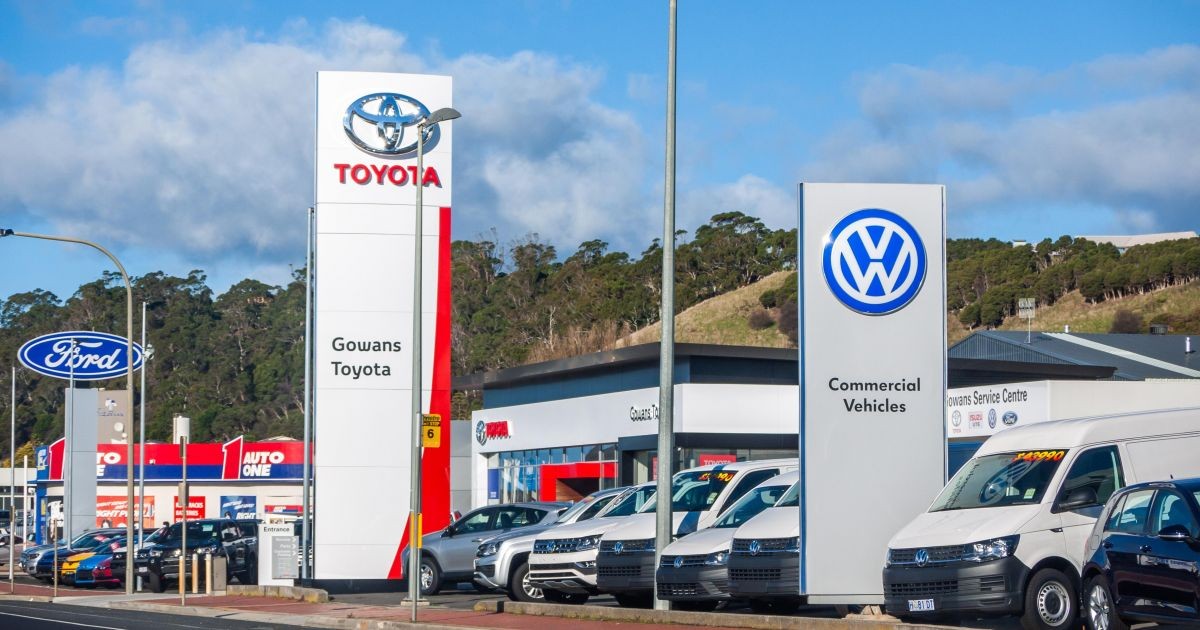
Australia’s new car market has expanded over the last decade, but its structure has fundamentally changed. While total sales grew from 1,155,408 in 2015 to 1,241,037 in 2025—an increase of 85,629 vehicles—market share has shifted dramatically away from established brands. The top 10 marques now account for only 67.3% of sales, down from 75.9% ten years prior. This means nearly one in three new vehicles sold in 2025 came from brands outside the traditional top 10, compared to one in four in 2015.
The Shrinking Dominance of Major Brands
Despite overall market growth, the combined sales volume of the top 10 brands decreased by 41,884 units between 2015 and 2025. Meanwhile, brands outside the top 10 saw a surge in sales, climbing by 127,513 units over the same period. This trend indicates the market’s growth is now driven by smaller and mid-size automakers, rather than the industry giants.
The dominance of the top three brands has also softened slightly. Their combined market share fell from 36.6% in 2015 to 34.3% in 2025, even though their total sales remained relatively stable. This confirms that expansion is happening below the industry’s highest tiers.
The Rise of New Entrants
The number of brands exceeding 10,000 annual sales increased from 19 to 23, and those surpassing 1,000 units rose from 39 to 48. This suggests smaller brands are gaining traction, despite operating in a more competitive environment.
Australia serves as a testing ground for many Chinese automakers. Its relatively open market, combined with the absence of tariffs, allows these brands to evaluate product viability before expanding into larger, more expensive markets.
The Changing Faces of the Top 10
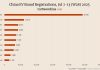
The composition of the top 10 brands has also transformed. In 2015, Holden was a major player, and Honda held a significant mainstream presence. Now, Holden is absent, replaced by a wave of newer entrants including several Chinese brands. The entry threshold for the top 10 has remained stable—around 40,000 to 50,000 units—but the volume outside that group has grown significantly.
Toyota Remains Dominant, But the Landscape Shifts
Toyota has maintained its lead, expanding its margin over the second-placed brand from 92,212 units in 2015 to 145,464 in 2025. However, the most dramatic changes have occurred below Toyota.
Brands with minimal presence in 2015 have become major players by 2025:
- Great Wall Motors (GWM) rose from 142 deliveries in 2015 to 52,809 in 2025.
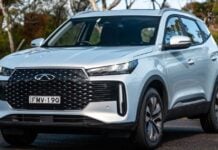
- Chery increased from 201 to 34,889 units.
- MG, absent from the 2015 list, sold 41,298 units in 2025, earning a top-10 position.
The Key Turning Point: 2023
The most significant shift occurred in 2023, when the top 10 brands’ market share dropped to a decade low of 66.9%, and the top three’s share fell to 33.1%. This wasn’t a collapse of the leading brands, but rather a rapid expansion of the mid-tier market.
The Future Outlook
Australia’s new car market has become more competitive, crowded, and dynamic. The rise of numerous brands provides consumers with more choice than ever before, but the question remains: how long can the market sustain such fragmentation? The shift toward a more diversified automotive landscape is clear, leaving industry observers to question the long-term viability of so many competing makes and models.