Unsuccessful cars often reveal more about the industry than its successes. While hits like the Volkswagen Golf are celebrated, disasters such as the Leyland P76 and Ford’s Edsel offer invaluable insights into how not to build a car company. These failures are not simply stories of missteps; they are case studies in hubris, missed market shifts, and the brutal consequences of overconfidence.
The Allure of Automotive Disasters
There’s a dark fascination with automotive flops, but beyond the spectacle, these stories are deeply instructive. No company intends to make a bad car. Instead, failures highlight how complex forces – from ego-driven leadership to macroeconomic conditions – can derail even the best-laid plans. These blow-ups are rarely sudden; they often unfold over decades, driven by opaque internal decisions.
Henry Ford’s Fatal Stubbornness
Henry Ford’s legacy is one of innovation, but also crippling arrogance. The Model T, revolutionary in 1908, became obsolete by the 1920s, yet Ford refused to adapt until 1927. This stubbornness created a vacuum that General Motors exploited. Alfred Sloan, Ford’s contemporary at GM, treated the car market as a consumer goods industry, introducing multiple brands, targeted demographics, and planned obsolescence. GM overtook Ford in 1927, a lead it maintains to this day.
Ford’s failure was simple: they didn’t have a product for customers as they aged and their incomes grew. Lincoln was too niche, leaving a massive gap in the mid-range market that GM filled with Buick and Oldsmobile. By the time Ford launched Mercury in 1938, the damage was done.
The Edsel Debacle: A Cautionary Tale
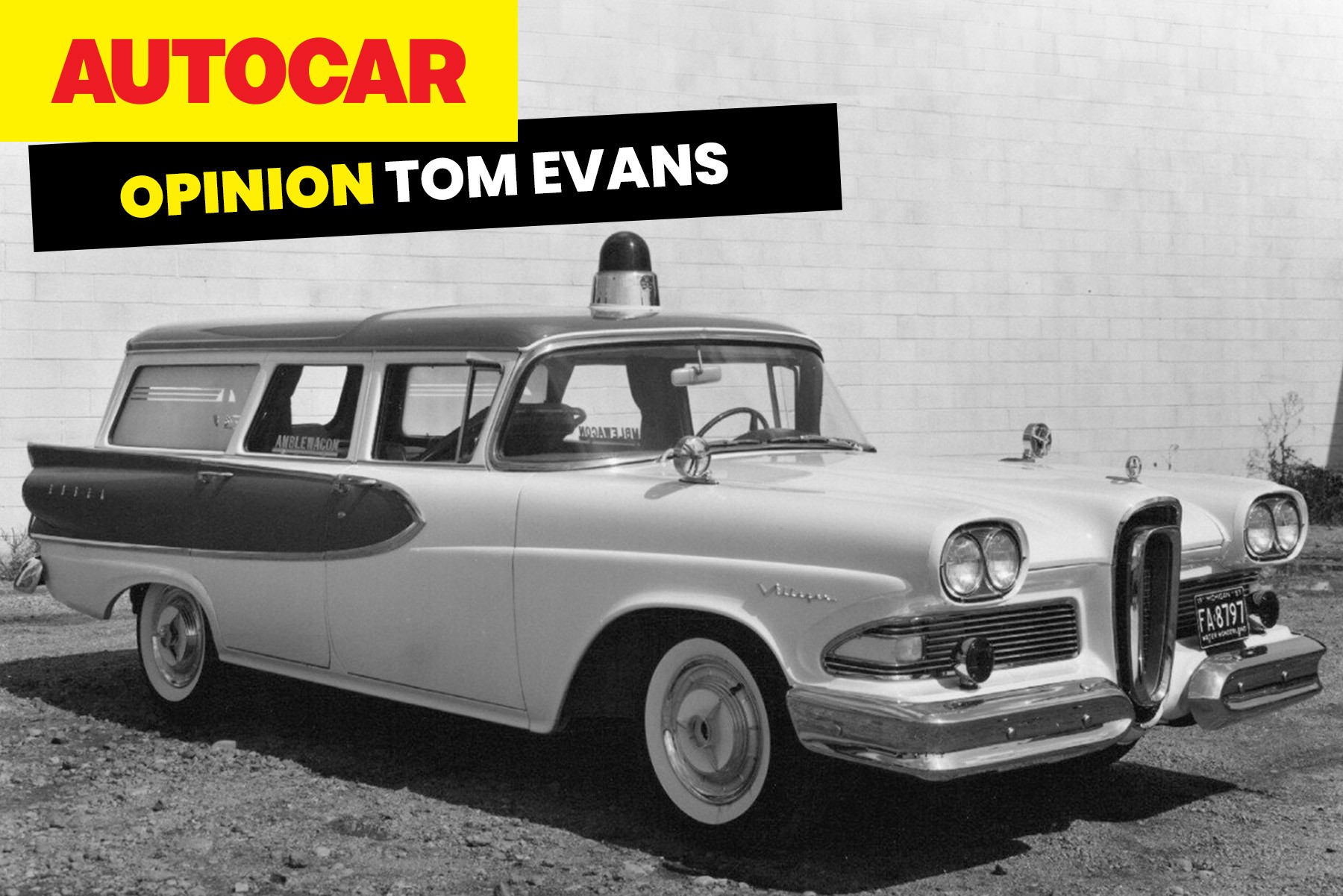
Ford’s attempt to reclaim lost ground in the 1950s resulted in the Edsel, a disaster of epic proportions. Launched in 1957 with a new brand, dedicated production lines, and 1,200 new dealerships, the Edsel was ambitious, yet doomed. Its controversial design, coupled with poor quality control and a severe recession that halved new car sales, sealed its fate. The Edsel was canceled after just 26 months.
This failure underscores how even massive investments can crumble under the weight of bad timing and flawed execution. The Edsel wasn’t just a car that failed; it was a brand that failed, taking billions in investment with it.
Lessons from the Wreckage
Automotive failures aren’t just about cars; they’re about the human errors that drive them. The Edsel proves that even the most powerful companies can misjudge the market, underestimate competitors, and fall victim to internal biases. The industry learns from these mistakes, albeit slowly.
These disasters serve as brutal reminders that innovation without agility, and confidence without humility, is a recipe for obsolescence. The stories of failures like the P76 and the Edsel are not morbid curiosities; they are essential reading for anyone who wants to understand the car industry’s past, present, and future.