Automakers aggressively promote semi-autonomous driving features, promising hands-free operation. However, a growing number of fatal crashes and federal investigations reveal that these systems are far from foolproof, raising serious questions about safety and driver trust. The reality is that current tech relies on drivers staying alert, and it’s easy to become complacent when the car is doing most of the work.
The Rise of Driver Assistance Systems
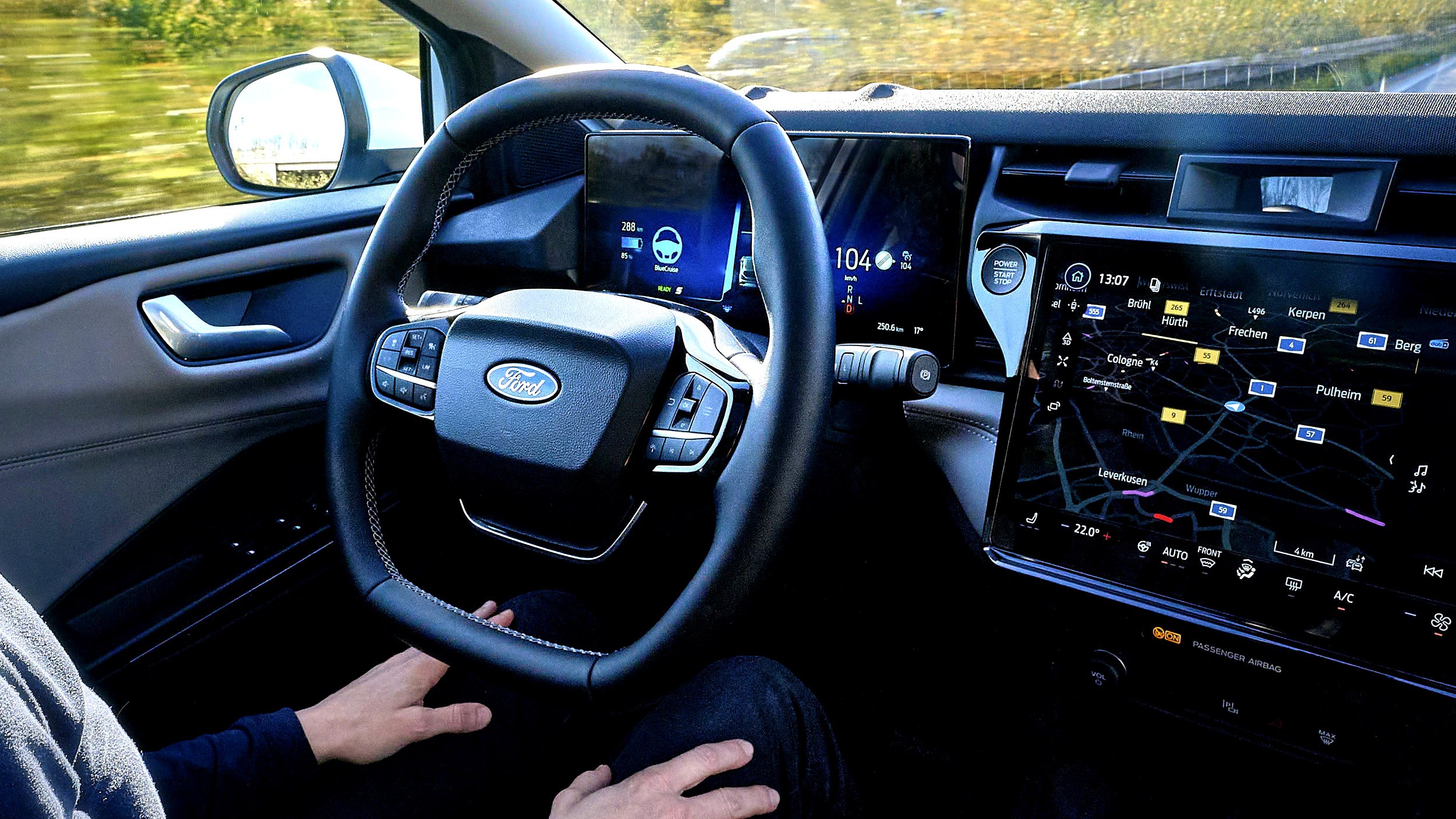
The market is dominated by Tesla’s controversial “Full Self-Driving” and Waymo’s robotic taxis. But scrutiny is widening to include established players like Ford, whose BlueCruise system is now under investigation by the National Highway Traffic Safety Administration (NHTSA).
The problem isn’t just the technology itself, but how people use it. Drivers may overestimate the system’s capabilities or fail to respond quickly when prompted to take control.
Real-World Accidents and Conflicting Reports
Several high-profile crashes have involved BlueCruise, with manufacturers disputing the role of their tech. In one case, a Ford engineer crashed an F-150 on I-75 in Ohio, claiming the system accelerated unexpectedly when braking for an exit ramp. Ford insists the driver disabled the system before hitting the gas.
Another fatal collision in Georgia led to a lawsuit alleging the F-150 drove off-road while in “self-driving mode.” Ford claims the vehicle wasn’t even equipped with the hardware needed for BlueCruise to function. Such discrepancies underscore the difficulty of proving system malfunction vs. driver error.
The Psychology of Automation
Ford initially resisted semi-autonomous tech, fearing complacency. Their own testing in 2019 confirmed that drivers often mentally disengage or react slowly to system warnings. While Ford refined alerts and added eye-tracking to ensure attentiveness, real-world data shows confusion persists.
Drivers misunderstand system limits, miss prompts, or simply trust the tech too much.
Regulatory Scrutiny and System Limitations
The NHTSA investigation follows multiple fatal crashes in 2024 involving Ford vehicles with driver-assist features engaged. Federal data indicates dozens of reported crashes since 2021, including fatalities. A key concern is the systems’ inability to reliably detect stationary vehicles at highway speeds, especially at night.
Ford defends its design, arguing that hard braking for stationary objects can cause unnecessary panic stops. However, investigators point to instances where drivers failed to brake or steer despite repeated alerts.
The Bottom Line
Despite widespread adoption, driver-assist technologies are not a replacement for a focused driver. Regulators emphasize that these systems remain assistance tools, not fully autonomous solutions. The current push for hands-free driving raises critical questions about safety, regulation, and the responsibility of automakers to ensure drivers understand the limitations of the technology.