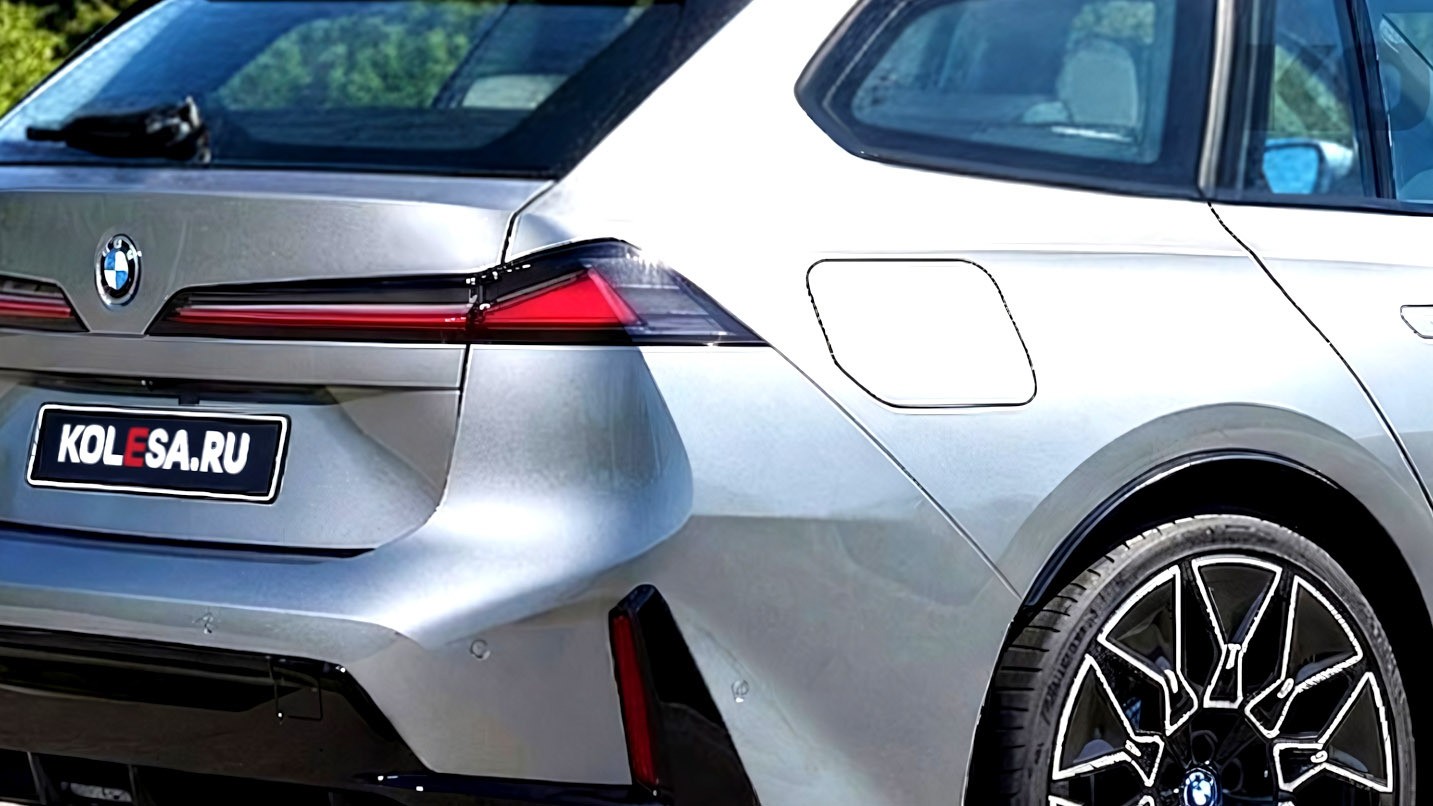
BMW has revealed just enough details about the upcoming i3 Touring (wagon version) to inspire artists who’ve created compelling renderings of the vehicle. While BMW has confirmed the model, it hasn’t shared definitive imagery, leaving independent designers to fill in the gaps. Two prominent renderings from Kolesa and Theophilus Chin give a strong indication of what to expect.
Design Interpretations
Both designs closely mirror the i3 sedan up to the B-pillars. The key difference lies in the extended roofline and redesigned rear end. BMW’s teasers hint at a subtly rising beltline behind the C-pillars, a detail that Theottle exaggerates for a more dynamic look, while Chuyko keeps it more restrained.
The rear features slim LED taillights carried over from the sedan, with modifications focused on the tailgate and sloping rear glass. Theottle adds a contemporary roof spoiler reminiscent of the iX3 SUV, further differentiating the design.
Technical Specifications and Performance
The i3 Touring will likely share the sedan’s 114.1-inch wheelbase, with any size increase coming from a longer rear overhang to accommodate the wagon body style. The interior will remain largely unchanged, including the pillar-to-pillar display and 17.9-inch infotainment touchscreen. Rear passengers will gain improved headroom and a larger cargo area.
Under the hood, the Touring will use BMW’s 800-volt Neue Klasse architecture, potentially offering a 50 xDrive variant producing 463 hp and 645 Nm of torque. The i3 sedan targets an EPA range of 708 km (440 miles), though the wagon’s less aerodynamic shape may slightly reduce this figure. Still, it should be able to add 249 miles (400 km) of range in just 10 minutes with a 400 kW charger.
Release Timeline
BMW plans to begin production of the i3 sedan in August 2026, with deliveries starting in the fall. The i3 Touring is expected to follow in 2027, alongside 40 new and updated models planned by the company through the end of that year.
The independent designs provide a realistic preview of the i3 Touring, bridging the gap between BMW’s vague teasers and the final production model. This approach highlights the growing role of third-party visualizations in shaping consumer expectations for upcoming vehicles.