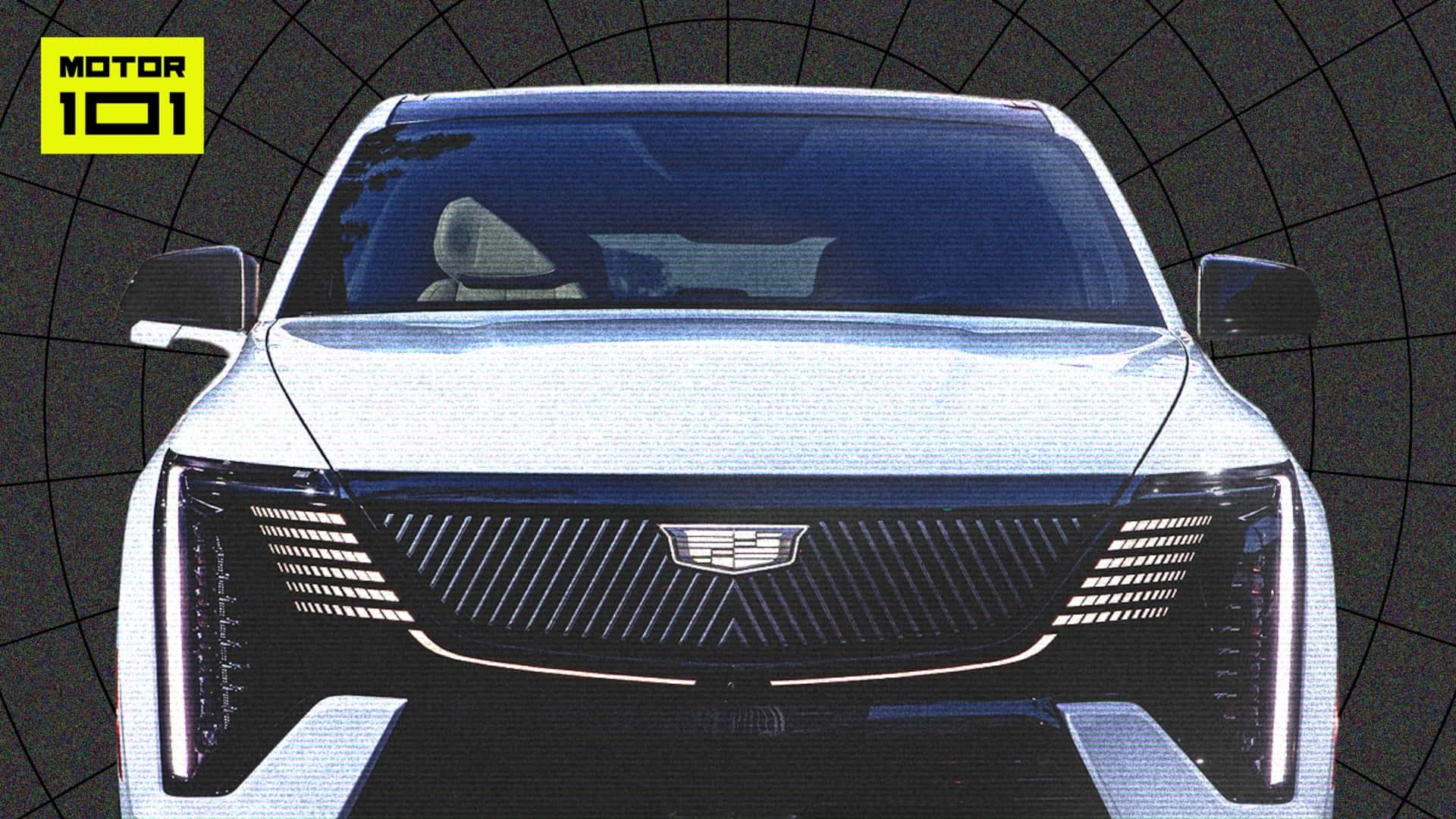
To a casual observer, an electric vehicle (EV) might seem like a marvel of simplicity compared to the complex, exploding machinery of an internal combustion engine. However, there is a hidden physical reality that defies intuition: EVs are significantly heavier than their gasoline-powered counterparts.
While a traditional car relies on a complex network of moving metal parts and fuel tanks, an EV relies on massive energy storage units. This weight difference is not just a minor detail; it fundamentally changes how these vehicles interact with our roads, our infrastructure, and our safety.
The 1,000-Pound Penalty
The primary culprit behind the extra mass is the battery pack. Most modern EVs utilize lithium-ion technology, typically arranged in a large, flat “skateboard” configuration along the vehicle’s floor. This design provides a low center of gravity, but it comes at a steep cost in pounds.
On average, an EV carries a weight penalty of roughly 1,000 pounds compared to a similar gas model. To see this in practice, consider these comparisons:
- Sedans: A BMW 530i (gas) weighs approximately 4,041 lbs, while its electric twin, the i5 eDrive40, weighs 4,916 lbs. In all-wheel-drive configurations, the gap widens to over 1,000 lbs.
- Trucks and SUVs: The weight discrepancy becomes extreme in larger segments. While a Chevrolet Suburban (gas) weighs under 6,000 lbs, the Rivian R1T pickup reaches 7,000 lbs, and the GMC Hummer EV soars past a massive 9,000 lbs.
The Chemistry of Mass
Why are batteries so heavy? It comes down to the fundamental physics of energy density. To provide the range that modern drivers demand, manufacturers must pack in more energy. To get more energy, they need more active materials—such as nickel, cobalt, and iron —which are inherently dense and heavy.
This creates a “vicious cycle” of engineering:
1. Range Anxiety: Consumers want longer ranges.
2. Increased Capacity: To provide range, automakers add more battery cells.
3. Added Mass: More cells increase the total weight of the vehicle.
4. Reinforced Engineering: Because the car is heavier, engineers must build heavier-duty suspensions, stronger brakes, and more robust structural casings to protect the battery during a crash. This “support” hardware adds even more weight.
The Ripple Effects: Safety, Tires, and Infrastructure
The increased mass of EVs isn’t just a matter of driving feel; it has significant real-world consequences.
1. Road Safety and Pedestrians
While heavier cars can offer better protection for the passengers inside, they pose a greater risk to those outside. Research from the National Bureau of Economic Research suggests that fatality probability increases by 47% for every 1,000 pounds of extra weight in a vehicle involved in a pedestrian collision.
2. Maintenance and Wear
EV owners often face higher maintenance costs regarding tires. A 2024 J.D. Power study noted that EVs tend to “chew through” tires faster than gas cars. This is caused by a combination of the high curb weight and the instant, aggressive torque characteristic of electric motors.
3. Infrastructure Strain
Our built environment was not designed for nine-thousand-pound vehicles. In 2023, the collapse of a parking garage in Lower Manhattan sparked urgent discussions among city officials regarding whether older parking structures can safely support the mass of modern electric SUVs and trucks.
Is There a Lighter Future?
The current weight issue is largely a symptom of being in the early stages of an automotive revolution. The industry is looking toward solid-state batteries as the ultimate solution.
Unlike current lithium-ion tech, solid-state batteries promise higher energy density, meaning they can store more power in a much smaller, lighter package. For example, innovators like Donut Labs are working on technology that could allow a 100-kilowatt-hour battery to weigh only about 550 pounds—nearly half the weight of current industry standards.
Conclusion: While the heavy weight of current EVs presents challenges for tire longevity, infrastructure, and pedestrian safety, the transition to solid-state battery technology may eventually resolve these physical limitations, making the electric transition both lighter and more efficient.