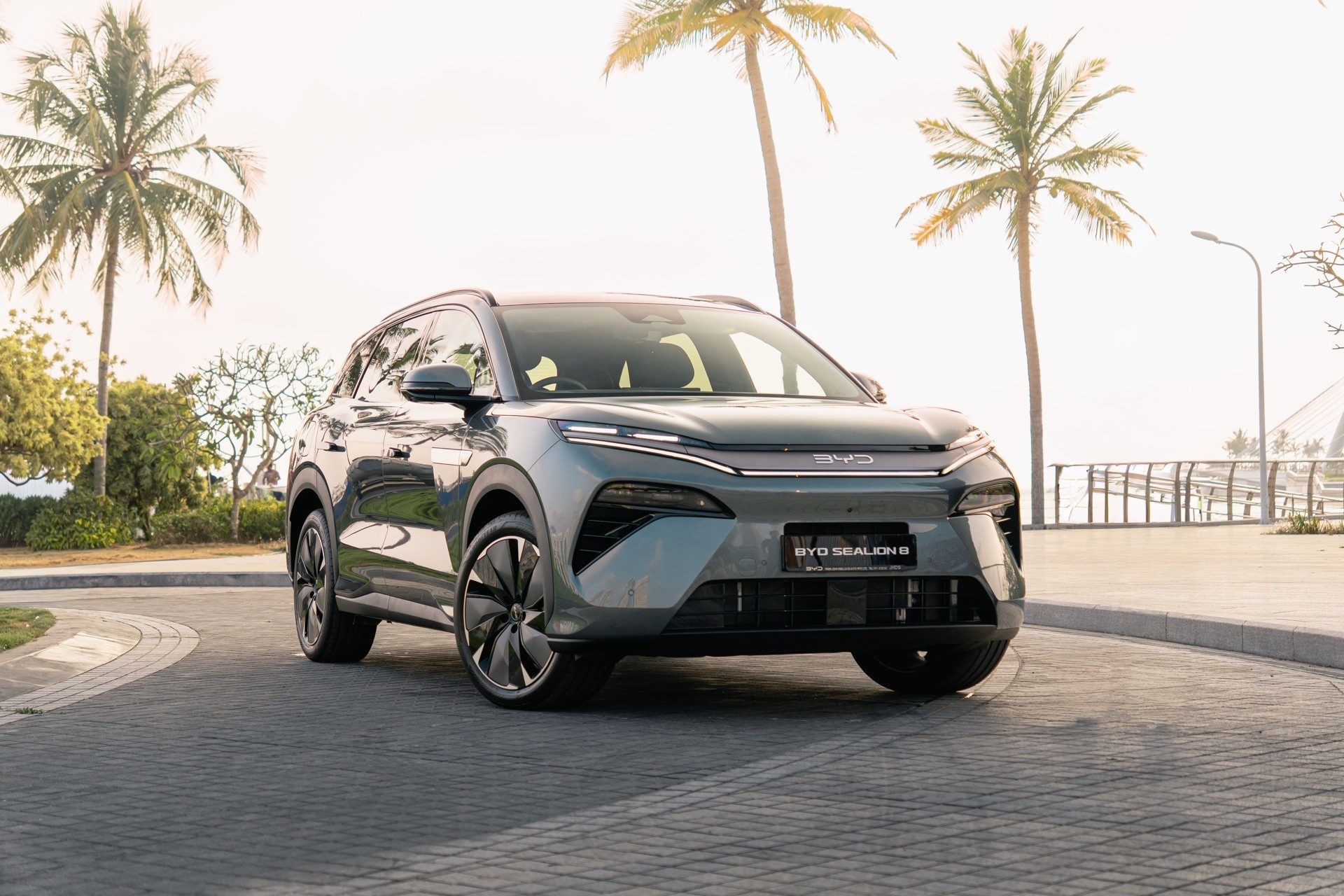
For years, Elon Musk dismissed BYD as an inferior automaker. Now, with the 2026 Sealion 8 plug-in hybrid, BYD is proving him wrong. This isn’t just an incremental improvement—it’s a leap forward that challenges established players in the EV market.
From Rough Edges to Serious Contender
In 2011, Musk openly mocked BYD’s prospects, and at the time, it was fair. Early BYD models were unremarkable, paling in comparison to Tesla or even Nissan’s Leaf. However, the Sealion 8 marks a radical shift. While not flawless, it represents a level of progress that cannot be ignored. Chinese EV brands have improved exponentially in recent years, and the Sealion 8 embodies this rapid evolution.
Identity Crisis & Market Strategy
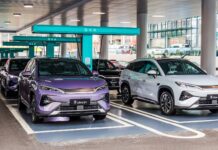
BYD’s naming conventions are…confusing. The Sealion 8 (formerly the Dynasty Tang L, sometimes called the Atto 8) exists within a fragmented branding system. The company operates sub-brands like Ocean, Song, and Dynasty, with exports often rebranding domestic models under the Ocean series. This chaos aside, the Sealion 8 is a seven-seater SUV available in plug-in hybrid and EV configurations.
This move is strategic. Legacy automakers are losing ground in China to more competitive local offerings. The Sealion 8 offers a compelling alternative, leveraging advanced tech, aggressive pricing, and a deep understanding of the Chinese consumer.
What Does it Feel Like?
The Sealion 8 Premium features real leather, heated/ventilated seats, a panoramic sunroof, and a 21-speaker sound system. The interior is well-built with premium materials, contrasting surfaces, and a clean aesthetic. The 15.6-inch touchscreen controls most functions, though HVAC settings are frustratingly buried within the menu.
The driver gets a legible 12.3-inch screen integrating Android Auto/Apple CarPlay. Minor flaws exist—occasional stitching imperfections and translation quirks—but overall, the interior feels refined. The second row offers climate controls and USB-C ports, while the third row is cramped but functional.
Driving Dynamics: A Quantum Leap
BYD historically struggled with handling. The Sealion 6 and Atto 3 suffered from excessive body roll, while the Sealion 7 was overly harsh. The Sealion 8’s DiSus-C suspension (entry-level semi-active) changes this. It absorbs road imperfections effectively, minimizing rebound, and maintains stability in corners.
The 21-inch wheels (20-inch on Dynamic trims) can tramline, and potholes are noticeable in the rear, but overall handling has never been this good. The steering lacks feedback but is precise. The 359kW, 675Nm powertrain delivers a 4.9-second 0-62mph time, feeling quick without being overly aggressive.
The PHEV drivetrain offers multiple modes for efficiency or performance, with a combined range of 1,117 km (694 miles) from its 60-liter fuel tank and battery.
The Verdict: BYD Means Business
The Sealion 8 is a significant step forward for BYD, offering a compelling PHEV option. While not perfect, its flaws are fewer than previous iterations. Priced at around $48,835 in Australia (vs. Tesla Model Y at $51,520), it undercuts competition while offering a combustion engine backup.
The Sealion 8 is proof that BYD is serious. Whether this vehicle stands the test of time remains to be seen, but the evidence suggests that betting against the Chinese automaker would be a mistake.
The joke is no longer on BYD. The joke may be on anyone who underestimated them.