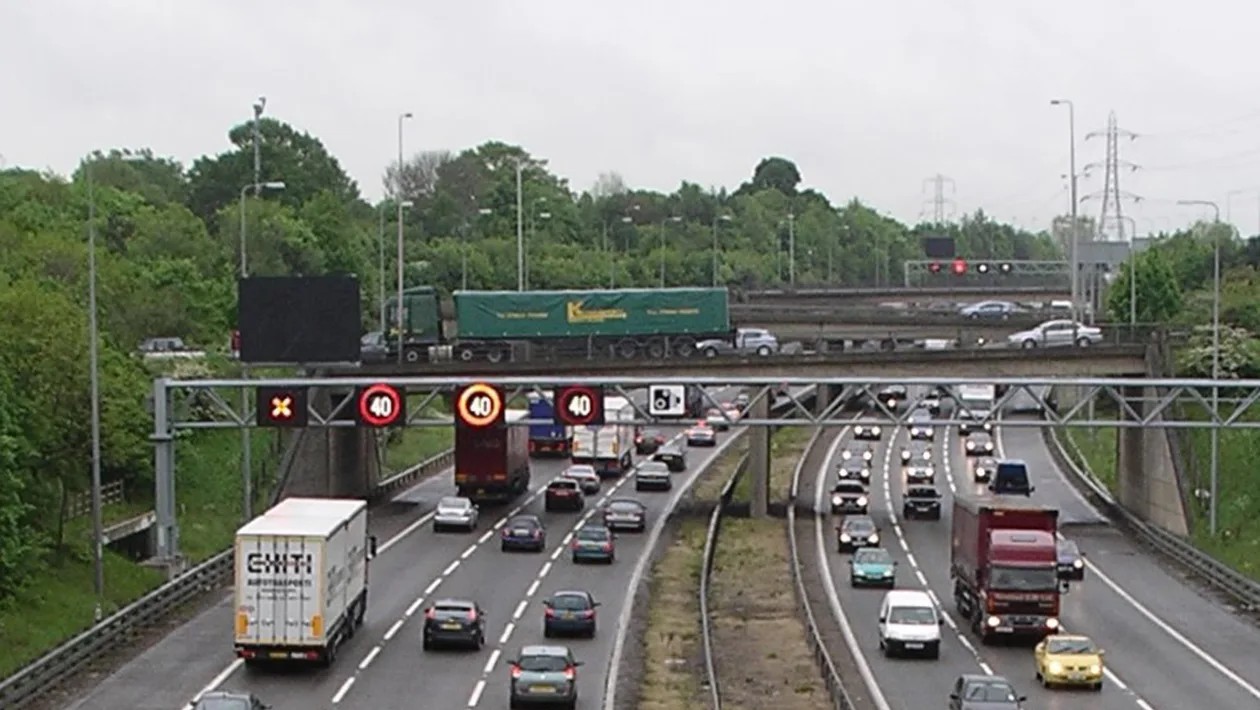
Great Britain’s road network has grown significantly over the past two decades, now stretching an astonishing 247,200 miles – enough to theoretically drive to the moon. While the expansion appears impressive, it’s part of a long-term trend; road mileage has been steadily increasing for decades, though at a slower pace in recent years. This expansion raises questions about infrastructure priorities and the long-term sustainability of road development versus maintenance.
Two Decades of Expansion
Between 2005 and 2025, Britain added over 6,000 miles of new roads, representing a 2.5% increase. Before that, between 1985 and 2005, the network grew by 11%. The growth has been steady, though the rate has slowed. This suggests a shift in focus from aggressive expansion to consolidating existing infrastructure.
Disparity in Usage: Motorways vs. Local Roads
Despite representing only 13% of the total road length (around 2,300 miles of motorways and 29,700 miles of A-roads), major highways carry 65% of all traffic. A single stretch of motorway can experience 55 times more traffic than a comparable B or C-road. This highlights a significant imbalance in infrastructure usage, with a small portion of roads bearing the bulk of the burden. The fact that major highways are so heavily used, yet represent only a small portion of the total mileage, underscores the need for efficient management and expansion of these critical routes.
Regional Distribution: England Dominates
England accounts for the vast majority of Britain’s road network, with 189,900 miles compared to 37,200 miles in Wales and 21,100 miles in Scotland. Combined, Wales and Scotland account for less than a quarter of the total road distance. This disparity may reflect population distribution and economic activity concentrated in England, but it also raises questions about equitable infrastructure development across the UK.
Future Focus: Maintenance Over Expansion
The government’s 10-year Infrastructure Strategy signals a shift away from expanding the road network and toward improving the quality of existing roads. This move is likely influenced by the poor condition of many roads, with over a million potholes estimated to be scattered across the UK. Fixing these roads is projected to cost up to £16.8 billion in England and Wales alone.
The strategic shift from expansion to maintenance reflects a growing recognition that simply adding more roads isn’t a sustainable solution; prioritizing existing infrastructure is crucial for economic efficiency and public safety.
The nation’s road network has grown significantly, but future development will likely focus on preserving and upgrading what already exists rather than building new roads. This strategy acknowledges the economic and practical realities of maintaining aging infrastructure while balancing the needs of a growing population.