John Sayles, a veteran of American independent cinema and a chronicler of the working class, dives into the turbulent history of Henry Ford and the rise of Detroit with his new novel, Crucible. The book isn’t just about cars; it’s a sprawling epic of American ambition, exploitation, and the bloody struggle for power that forged the modern industrial age.
The Dark Side of Innovation
Sayles doesn’t shy away from the contradictions at the heart of Ford’s success. The man who put America on wheels was also a ruthless autocrat, deeply distrustful of expertise and driven by a volatile mix of genius and paranoia. His relationship with his son, Edsel, exemplifies this: Edsel, a talented designer, was repeatedly undermined by his father, only to be mourned deeply after his death – perhaps because Henry realized no one else could fully control the empire he’d built.
This dynamic foreshadows the larger story: Ford’s empire wasn’t just about assembly lines and efficiency. It was built on suppressing dissent, manipulating labor, and a willingness to do whatever it took to maintain control.
Detroit as a Crucible
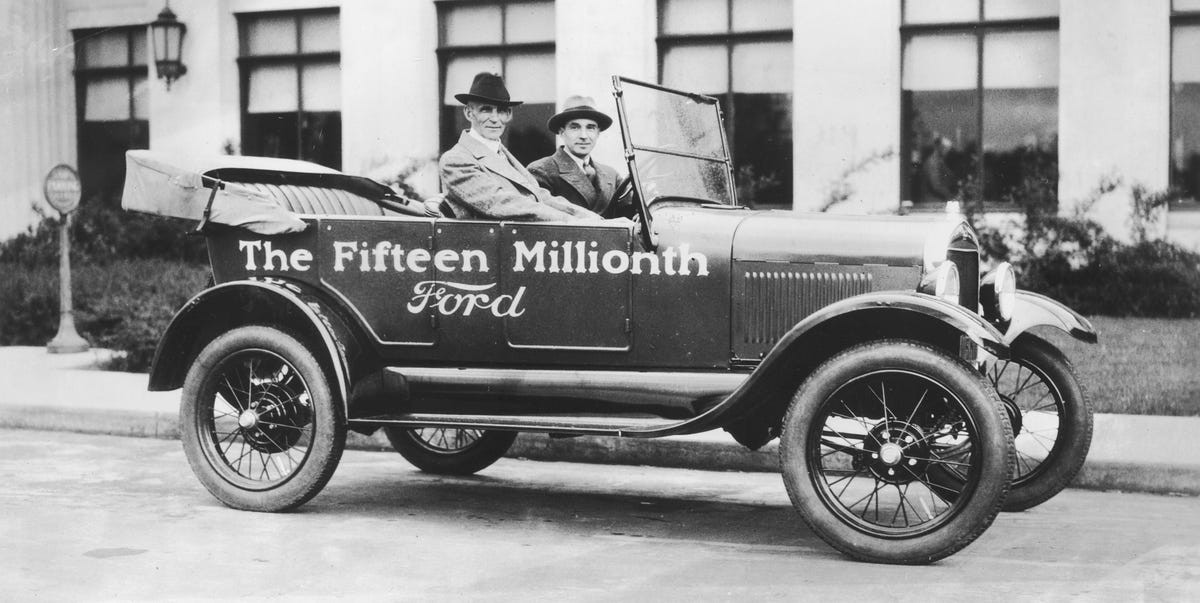
Sayles frames Detroit as the epicenter of this transformation. Having witnessed the decline of cities like Schenectady, New York, he recognized the fragility of industrial power. Detroit, in the 1920s, was a “muscle city,” but by the 1980s, it was a shadow of its former self. Crucible focuses on the peak of Ford’s influence – 1927, when the Model A revolutionized transportation – and the subsequent chaos that followed. This period saw violent union battles, racial tensions, and a ruthless suppression of worker rights.
Fordlandia: American Hubris in the Amazon
The story extends far beyond Detroit. Sayles details Ford’s disastrous attempt to build a rubber plantation in the Amazon, known as Fordlandia. The project, driven by Ford’s refusal to consult experts, was a failure from the start. Lumberjacks were sent to grow trees instead of botanists, resulting in revolts, disease, and ultimately, abandonment. It stands as a stark metaphor for American foreign policy: imposing solutions without understanding the context.
Harry Bennett and the Brutal Underbelly of Power
Ford’s enforcer, Harry Bennett, embodies the era’s brutality. A gangster and a painter, Bennett operated outside the law, silencing dissent with violence and connecting Ford to the criminal underworld. By the end, he retreated to a fortified castle, highlighting the paranoia and ruthlessness at the heart of Ford’s operation.
Union Busting and Racial Manipulation
The Battle of the Overpass, a notorious clash between Ford and the UAW, illustrates the lengths to which Ford went to crush organized labor. Bennett exploited racial divisions by offering Black workers higher pay to stay loyal, pitting them against white strikers. This tactic wasn’t new: it mirrored the exploitative practices of the Southern cotton industry, where racial divisions were used to suppress wages and maintain control.
Ford’s Legacy: From Visionary to Fascist Sympathizer
Ford’s political meddling and his embrace of European fascism are another dark chapter. Like later tech tycoons, he wielded immense power over his state, pushing for policies that aligned with his personal beliefs. His virulent antisemitism, fueled by conspiracy theories like The Protocols of the Elders of Zion, is a stark reminder of the dangers of unchecked power and ignorance.
A Cautionary Tale for the Modern Era
Sayles’ Crucible isn’t just a historical novel. It’s a warning about the pitfalls of unchecked ambition, the exploitation inherent in industrial progress, and the fragility of power. The parallels between Ford and modern figures like Elon Musk are undeniable. Both men pushed boundaries but also wielded immense influence, sometimes with reckless disregard for consequences.
The story serves as a brutal reminder that progress often comes at a steep human cost, and that even the most visionary leaders can be driven by prejudice, paranoia, and a relentless desire for control.