Ford is aggressively engineering affordability into its upcoming electric pickup truck, aiming for a starting price of around $30,000 by 2027. This isn’t just about cheaper components; it’s a systematic overhaul of vehicle design and manufacturing, prioritizing efficiency down to the smallest detail. The truck will be built on Ford’s new Universal Electric Vehicle platform, promising performance comparable to an EcoBoost Mustang and interior space exceeding that of a Toyota RAV4.
The Hunt for Efficiency: “Bounty Targets”
Ford’s approach centers around “bounty targets,” measurable improvements directly linked to battery cost savings and increased range. The company is streamlining production by radically reducing parts: the new electric truck will use just two structural components in the front and rear, compared to the 146 found in the Maverick. This is achieved using aluminum unicasting – a first for Ford – minimizing complexity and, crucially, cost.
Small Changes, Big Gains
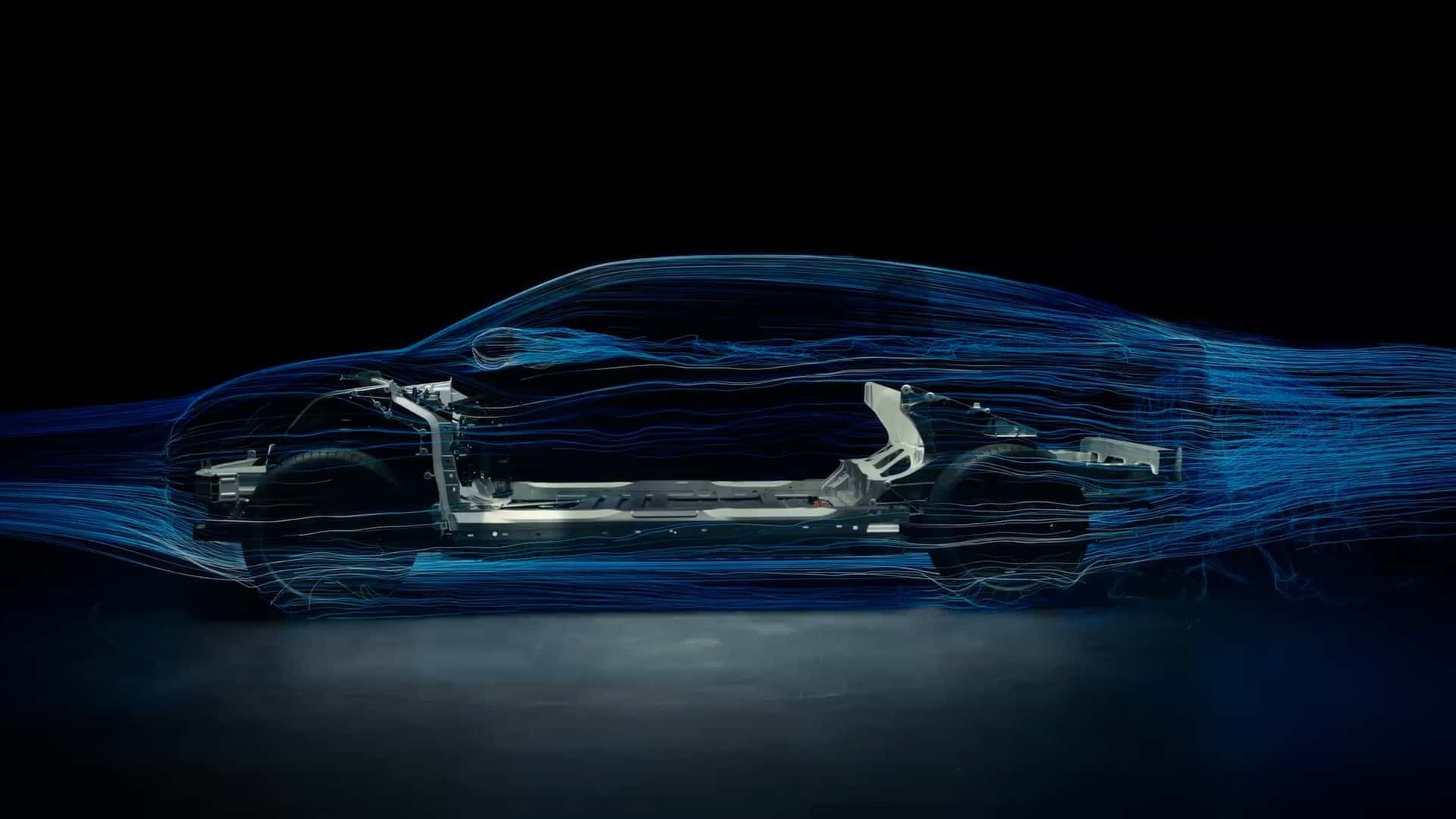
Aerodynamics are key to maximizing electric vehicle range, and Ford is exploiting every opportunity. Even minor changes have significant impact: a 1-millimeter increase in roof height would add $1.30 to the battery cost or reduce range by 0.055 miles. Instead, the truck’s roofline is shaped to direct airflow smoothly over the bed.
Underneath, shallower bolt holes reduce drag, and the truck directs airflow from the front tires onto the rear, effectively “hiding” them from resistance. Side mirrors are 20% smaller, merging adjustment and folding mechanisms into a single unit, adding 1.5 miles of range. These cumulative improvements give the new truck 15% better aerodynamic efficiency than any other pickup currently on sale.
Battery and System Optimization
The truck will use lithium iron phosphate prismatic batteries integrated into the vehicle’s structural sub-assembly. It will operate on a 400-volt system with a 48-volt auxiliary, and Ford is developing its own electric charging ecosystem. A new circuit board design consolidates low-voltage, high-voltage, and thermal sensing into a single component, reducing parts and wiring.
The adoption of zonal architecture further cuts down on control units, resulting in a wiring harness 4,000 feet shorter than that of Ford’s first electric SUV. This level of integration isn’t just about reducing weight or materials; it’s about making electric vehicles cheaper to produce at scale.
The $30,000 price point remains ambitious, but Ford’s relentless focus on efficiency suggests a serious commitment to affordability.
Ford’s strategy isn’t just about building an electric truck; it’s about redefining how EVs are manufactured to make them accessible to a broader market. The success of this approach will depend on whether these incremental gains translate into a truly competitive price tag when the truck launches in 2027.