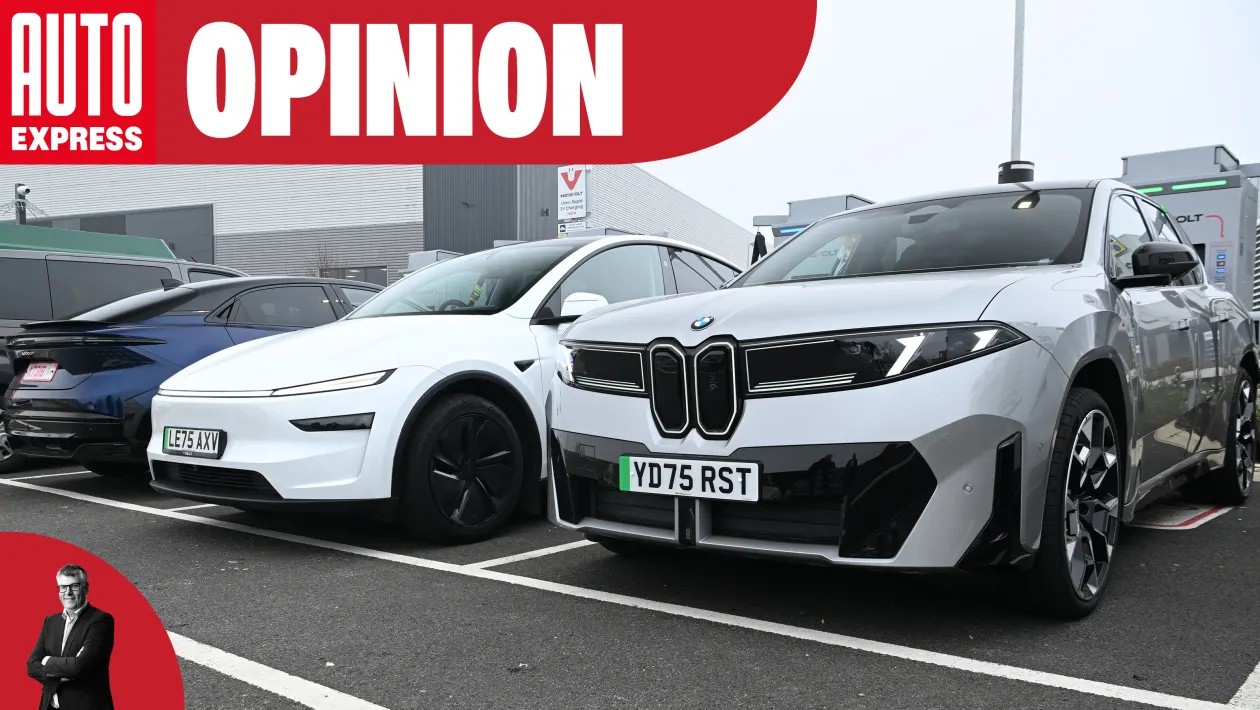
The shift to electric vehicles (EVs) is hitting roadblocks not because of technology, but because of how the transition is being pushed. Industry leaders are warning that forcing EV adoption through strict mandates isn’t working, and may even be counterproductive. The core issue isn’t just about making EVs available; it’s about making them desirable.
The Problem with Forced Adoption
Car manufacturers in the UK face fines if they don’t meet rising annual EV sales targets. However, the Society of Motor Manufacturers and Traders (SMMT) argues these targets are unrealistic given current economic realities. Battery costs are 31% higher than predicted in 2021, and public charging is double the original estimates. This makes EVs less accessible to consumers, meaning mandates punish brands for factors outside their control.
The focus on penalties overlooks a fundamental truth: people resist being told what to do. A more effective approach, as suggested by some in the industry, involves framing EV ownership positively. Simple linguistic shifts – such as using “refuelling” instead of “recharging” – can subconsciously associate EVs with familiar habits.
Miscommunication and Policy Issues
Recent policy debates have also muddied the waters. Talk of a flat £300 annual road user charge for EVs (though not implemented for two years) overshadowed the fact that EVs still offer significant fuel cost savings compared to gasoline cars, even with this additional expense. The key caveat remains home charging, which remains the most affordable option. Until public charging becomes more competitive, the transition will favor those with private access.
Global Trends and a More Flexible Approach
Other major economies are rethinking their EV strategies. The European Union is easing targets, Canada has shifted to a CO2-based approach, and the United States is slowing down EV plans altogether. This suggests a growing recognition that a heavy-handed approach can backfire.
The most effective path forward involves fostering genuine enthusiasm for EVs by addressing cost concerns, improving public charging infrastructure, and presenting the benefits clearly – not through fines or mandates.
Ultimately, successful EV adoption hinges on convincing consumers that electric is the better solution, not the only one. A more flexible policy framework that balances incentives with realistic expectations is crucial to ensure a sustainable transition.