Ford Australia is responding to rising fuel prices and upcoming emissions standards by aggressively discounting its plug-in hybrid (PHEV) Ranger models – some by over $10,000 – and offering fuel cards on outgoing 2026 model year vehicles. The move comes as the federal government’s fuel excise reduction takes effect, and before updated, pricier versions of the Ranger and Everest arrive mid-year.
Price Cuts on PHEV Models
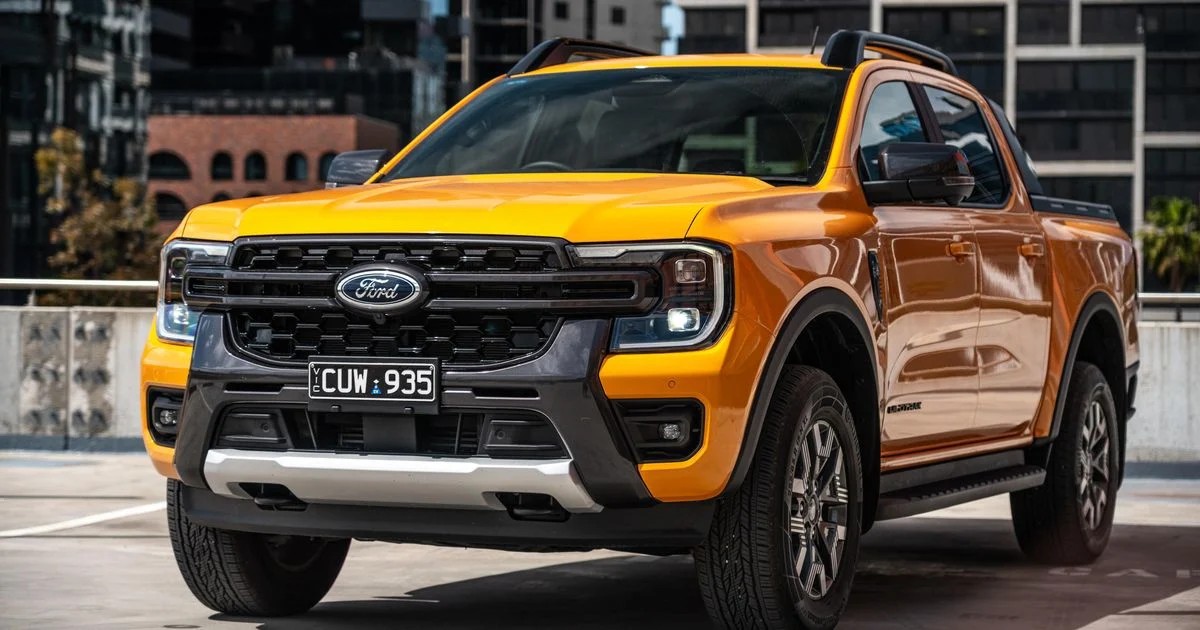
The most significant change is the sharp reduction in drive-away pricing for the Ranger PHEV range (now branded as Ranger Hybrid by Ford).
– The entry-level XLT Hybrid now starts at $62,000, down from $71,990.
– The Sport variant is priced at $66,000.
– The Wildtrak is available for $70,000, and the Stormtrak for $73,000, a steep drop from its previous $86,990 price tag.
These discounts are valid until June 30, 2026. Ford is also offering a $4,000 fuel card on 2026 Rangers and base-model Everests, coinciding with the excise reduction.
Broader Incentives and Context
Beyond the PHEV cuts, Ford is offering $1,000 off all Ranger models for registered farmers. These incentives follow price increases in the last year, driven by Australia’s new vehicle efficiency standards (NVES) which impose emissions limits on carmakers.
“We’ve sharpened our pencils to ensure we’ve got our customers’ backs,” said Ford Australia CEO Fadi Mawal.
The timing is crucial. Australia has faced record petrol and diesel prices due to global supply issues, putting financial strain on consumers. Ford frames these deals as a way to help customers navigate this “short-term pain at the pump.”
Market Position and Competitor Response
The Ranger overtook the Toyota HiLux as Australia’s best-selling vehicle in 2024 and 2025. While Ford is pushing hybrid technology, Toyota has no immediate plans for hybrid or plug-in hybrid HiLux versions. This gives Ford a competitive edge in a market where fuel efficiency is becoming increasingly important.
The move signals Ford’s attempt to balance emissions compliance with affordability and sales volume. The company is leveraging incentives to clear older stock before the more expensive 2026.5 models arrive, while also appealing to cost-conscious buyers amid ongoing fuel price volatility.