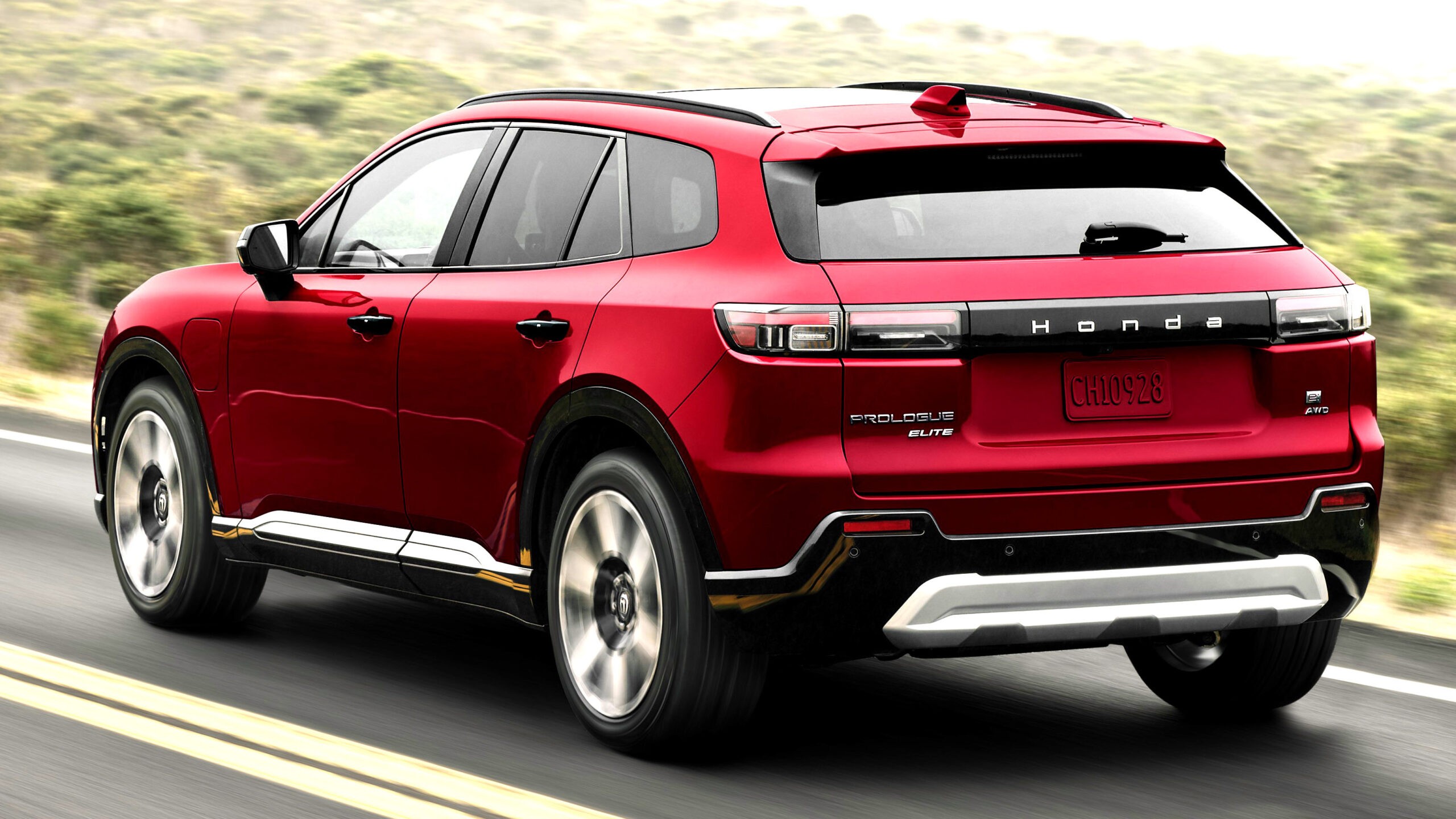
Honda is poised to discontinue its Prologue electric crossover after the current production run concludes later this year, effectively withdrawing from the US EV market if a second generation is not planned. The move comes as sales have plummeted following the expiration of federal tax credits and signals a broader shift away from aggressive EV expansion in North America.
Sales Decline and Incentive Impact
The Prologue launched in 2024 with initial success, selling nearly 39,000 units in 2025, largely driven by a $7,500 federal tax credit. However, with the incentive removed, demand sharply decreased. Deliveries in early 2026 have fallen by approximately 74% compared to the previous year, prompting Honda to halve production estimates to under 18,000 units for the current year.
Strategic Reassessment and Production Cuts
Honda has not explicitly confirmed the Prologue’s discontinuation but has not denied the reports either. The company also recently scrapped three future electric models planned for production in Ohio, including the 0 Series SUV, 0 Series Saloon, and Acura RSX crossover. This shift is expected to incur up to $15.8 billion in write-downs and expenses, impacting suppliers already prepared for EV component production.
GM Partnership and Acura Cancellation
The Prologue is built by General Motors in Mexico using GM’s electric platform, a temporary measure for Honda to enter the EV market quickly while developing its own technology. Acura, Honda’s luxury division, previously canceled its Prologue-based ZDX model after just one year of production, foreshadowing the potential end for the Prologue as well.
Dealer Sentiment and Hybrid Preference
Despite the setback, Honda dealers report that consumers currently prefer hybrid vehicles over expensive full electric models, suggesting a demand misalignment. The company’s retreat from EVs reflects this market reality, as well as broader economic pressures affecting EV adoption.
Honda’s decision to scale back EV ambitions underscores the challenges of maintaining market share in a rapidly evolving automotive landscape. The company appears to prioritize hybrid technology for now, while reevaluating its long-term electric vehicle strategy.