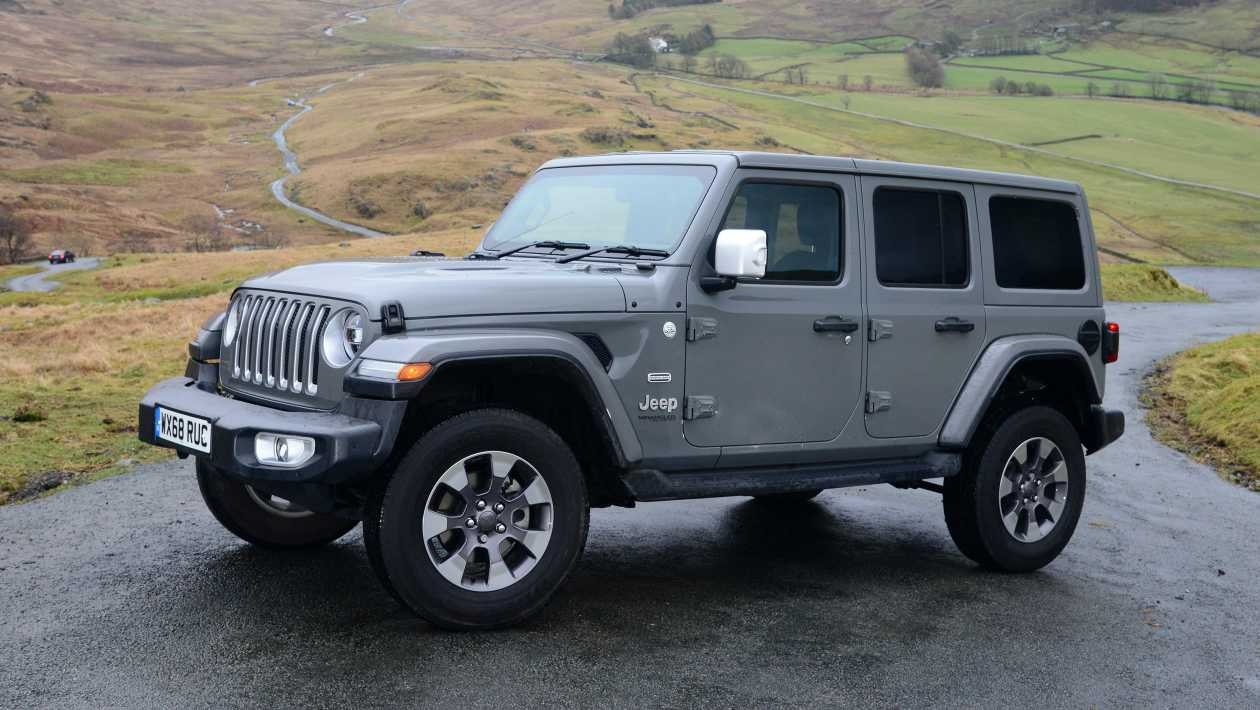
The Jeep Wrangler is being phased out in Europe by 2026 due to low sales, but for those seeking an unapologetically rugged 4×4, it remains a distinctive choice. While not ideal for daily driving or long trips, the Wrangler excels where few other vehicles can – in extreme off-road conditions. If you prioritize capability over refinement, this could be the car for you. However, potential buyers should be aware of its compromises and consider alternatives before committing.
A Legacy of Off-Road Performance
The Jeep brand has roots stretching back to the Willys Jeep of World War II, designed for tackling unforgiving terrain. The Wrangler continues this tradition, prioritizing go-anywhere ability above all else. The Wrangler’s enduring appeal lies in its ability to handle the worst conditions, but this focus comes at the expense of on-road comfort and practicality.
Model History and Specs (2018-2026)
The fourth-generation Wrangler launched in the UK in October 2018, priced from £44,865. Engine options initially included a 268bhp 2.0-liter turbocharged petrol and a 197bhp 2.2-liter turbodiesel, both paired with an eight-speed automatic transmission. Both two- and four-door configurations were available, all with standard four-wheel drive.
In summer 2021, Jeep discontinued the diesel engine and added standard safety features like adaptive cruise control and automatic emergency braking. A facelift in spring 2024 brought a larger 12.3-inch touchscreen, improved soundproofing, and higher-quality interior materials, starting at £60,785.
Used Market Overview
The used Wrangler market is limited, with few diesel models remaining. Most available Wranglers are four-door petrol versions in Rubicon or Sahara trim. Equipment levels are surprisingly consistent across trims, though the Rubicon offers enhanced off-road features.
Current prices range from around £18,990 for higher-mileage 2016 models to over £39,000 for low-mileage 2023 examples. Expect to pay a premium for well-maintained, lower-mileage Wranglers.
On the Road: Compromises Ahead
The Wrangler’s on-road manners are its weakest point. Steering is imprecise, the ride is bouncy, and road noise is significant. The automatic transmission delivers adequate power, but the Wrangler still falls short compared to mainstream SUVs. Potential buyers should test drive extensively to assess whether they can tolerate these compromises.
Which Wrangler to Buy?
The diesel engine isn’t significantly more economical or torquey than the petrol, making petrol Wranglers the dominant choice in the used market. The entry-level Sahara trim provides essential features like LED headlights, cruise control, and Apple CarPlay. The Overland adds luxury touches like leather seats and blind-spot monitoring. The Rubicon is the most capable off-road, with upgraded electrical systems and 17-inch wheels.
Alternatives to Consider
The Jeep Wrangler has few direct competitors. The Land Rover Defender is more refined but sits in a different category. More practical alternatives include the Toyota Land Cruiser (superior off-road and on-road), Ford Ranger, Isuzu D-Max, Mitsubishi L200, Toyota Hilux, and VW Amarok pickup trucks. The Land Rover Discovery Sport and Ineos Grenadier also offer off-road capability but are less common.
Potential Issues and What to Look For
- Windscreen Damage: Wrangler windscreens are prone to damage due to their upright design.
- Sun Visors: Owner forums report weak sun visors that break easily.
- Paint Bubbling: Poor paint adhesion can lead to bubbling on some models.
- Electrical Issues: Battery life is short, leading to intermittent electrical problems and loose fuses.
- Towing Capacity: Two-door models have limited towing capacity (1,495kg), while four-door editions can tow up to 2,495kg.
- Recalls: The Wrangler Mk4 has been subject to 11 recalls, including issues with steering mechanisms, wiring harnesses, seatbelts, and fuel leaks. Check for completed recall work before purchasing.
Running Costs
Service intervals are every 7,500 miles or 12 months, with minor services costing £268 and major services £438. The 10-year service is £669. Diesel models require a cambelt replacement every 100,000 miles (£700-£1,189 with water pump). Insurance groups are high (32-41), and road tax is £620 per year for the first six years. Fuel economy is poor, averaging 25-26mpg for petrol models and 28-30mpg for diesels.
The Verdict
The Jeep Wrangler remains a unique and capable off-roader. If you prioritize extreme terrain performance above all else, it’s a compelling choice. However, potential buyers must accept its compromises in on-road comfort, refinement, and running costs. Consider alternatives before committing, and always conduct a thorough inspection and test drive.