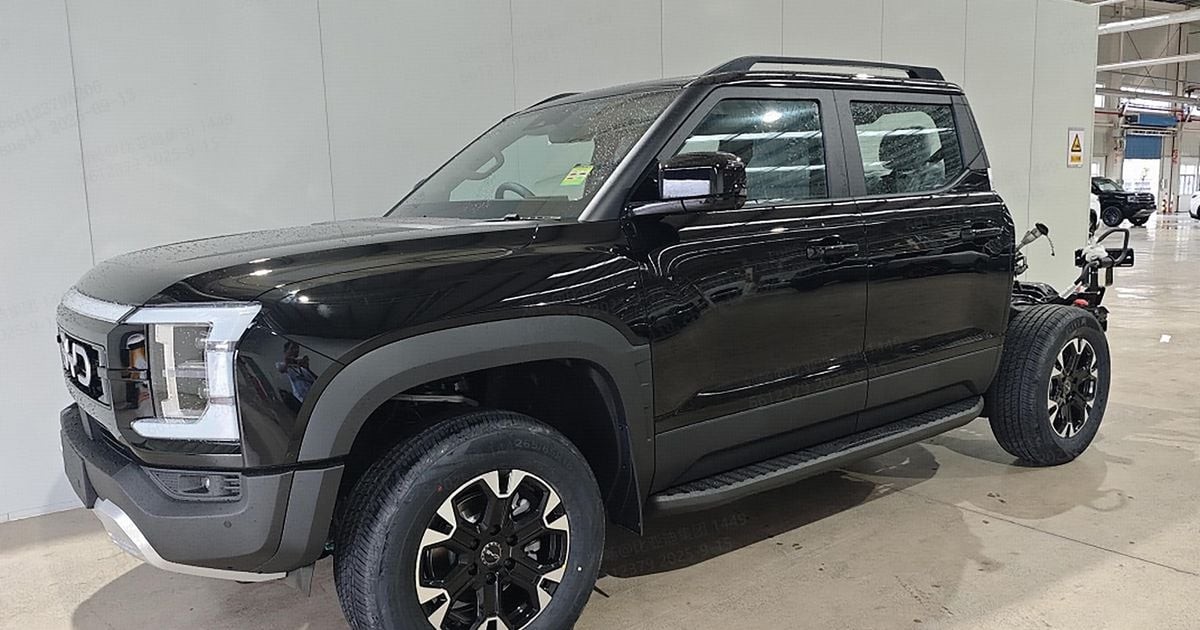
BYD is preparing to expand its Shark 6 lineup with a cab/chassis variant priced below the existing ute model, signaling a deliberate strategy to capture fleet sales. Leaked pricing details from industry guides confirm the Shark 6 Dynamic cab/chassis will start at $55,900 before on-road costs – a slight reduction from the $57,900 sticker price of the Shark 6 Premium ute.
Spec Trade-Offs for Lower Cost
To achieve this lower price point, BYD will strip some standard features from the cab/chassis version. Redbook listings reveal the Dynamic trim omits a head-up display, heated and ventilated front seats, rear privacy glass, and rain-sensing wipers. Further downgrades include a smaller 12.6-inch touchscreen (versus the ute’s 15.6-inch display), leatherette instead of leather steering wheel trim, and the removal of NFC key card entry and power lumbar support for the driver’s seat. These changes mirror differences observed in the New Zealand market.
Powertrain and Performance Remain Competitive
Despite the spec adjustments, the cab/chassis retains the Shark 6’s hybrid powertrain: a turbocharged 1.5-liter four-cylinder engine paired with dual electric motors delivering a combined 321kW and 650Nm of output. Fuel efficiency is rated at 2.0L/100km under combined conditions, with a braked towing capacity of 2500kg. Weight is slightly reduced to 2600kg compared to the ute’s 2710kg, though DC charging speeds are cut back to 40kW from the ute’s 55kW. Tire quality is also reduced.
Fleet Focus: A Key BYD Strategy
The move to offer a more affordable cab/chassis model is no accident. BYD Australia COO Stephen Collins has openly stated the company is targeting fleet buyers, a segment that represents 35% of all new vehicle sales. Fleet customers prioritize total cost of ownership and reliability, making the stripped-down Shark 6 an attractive option. BYD aims to replicate the success of established automakers, which rely on fleet sales for a significant portion of their volume.
Strong Private Sales, but Fleet Growth is Next
Interestingly, the Shark 6 has already gained traction with private buyers, ranking as the fourth most popular vehicle among this demographic in 2025. However, with fleet sales still lagging behind competitors like Toyota HiLux and Ford Ranger, BYD is strategically positioning the cab/chassis to accelerate its expansion in this crucial market segment. The 2.0L PHEV powertrain, boasting a superior 3500kg towing capacity, has been approved for sale in Australia but only in ute guise, leaving the cab/chassis variant at a slight disadvantage in some use cases.
BYD’s deliberate pricing and spec adjustments for the Shark 6 cab/chassis demonstrate a calculated effort to gain a foothold in the competitive fleet market. The move underscores the company’s broader ambition to challenge established automakers and solidify its position as a major player in the Australian automotive landscape.