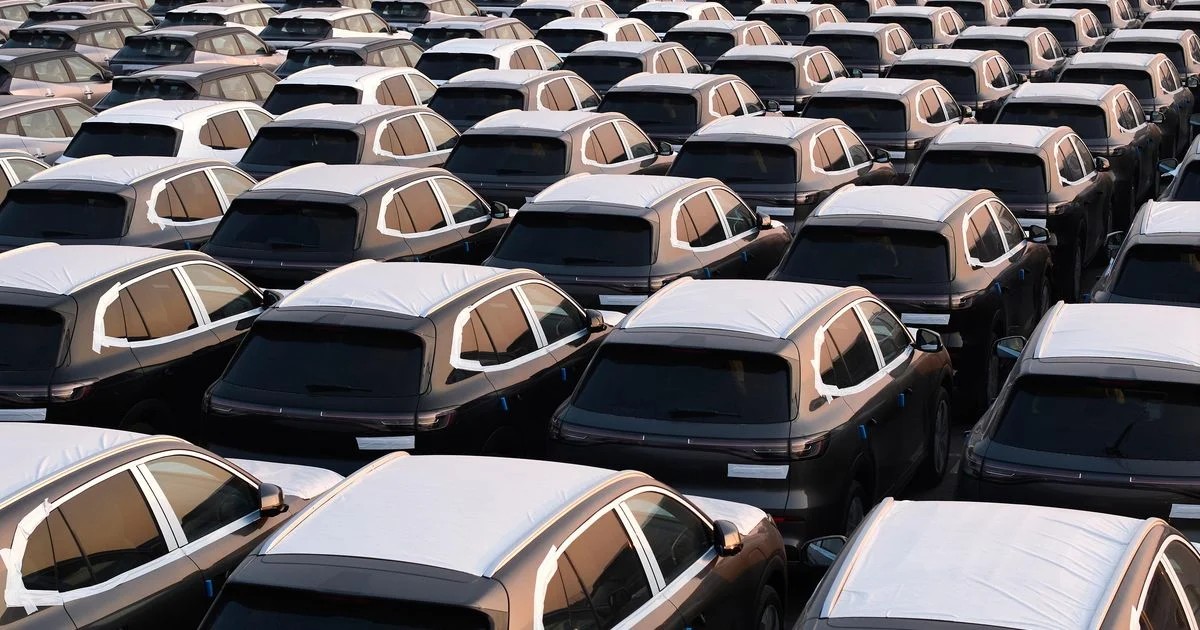
China is significantly tightening regulations on new car releases, demanding more extensive durability testing before vehicles hit the market. The move addresses growing concerns that some automakers were skipping crucial research and development steps to gain a competitive edge, potentially compromising long-term safety and quality.
New Regulations and Testing Requirements
Effective January 2027, the Ministry of Industry and Information Technology (MIIT) will require all gasoline and diesel vehicles to prove durability beyond 30,000 kilometers. Electric, plug-in hybrid, and fuel-cell cars (“new energy vehicles”) will need to demonstrate durability over at least 15,000 kilometers. This is a substantial increase from previous standards, which allowed some manufacturers to bypass or shorten testing in harsh conditions like extreme temperatures and high altitudes.
Why This Matters
The shift comes as Chinese automakers rapidly expanded their model lineups, sometimes outpacing established international brands in terms of features and affordability. However, critics suggest this growth was achieved partly through reduced R&D investment, potentially leaving consumers exposed to untested vehicles.
The new rules could extend the lifespan of Chinese cars and reduce the number of models released.
The MIIT’s actions signal a clear priority shift towards quality and reliability. The regulations will also enforce stricter verification of R&D capabilities and enhance automotive software security checks. This move could give an advantage to Japanese, European, and US brands, which traditionally invest more heavily in product development.
Potential Consequences
While the new standards are expected to improve consumer confidence, they may also lead to higher car prices as manufacturers adjust to increased testing costs. The regulations could slow down the pace of new model releases, but ultimately aim to create a more sustainable and trustworthy automotive market in China.
The long-term impact will depend on how effectively the regulations are enforced and whether automakers adapt by investing in more rigorous testing procedures.