The American automotive market is shifting. New car prices are soaring, with the average transaction now near $50,000, and affordable options are vanishing. This creates a growing gap that Chinese automakers are poised to fill. While political hurdles and consumer skepticism remain, the rising demand for cheaper vehicles is undeniable.
The Price Problem in the US Market
For years, car prices have risen steadily, while entry-level models have disappeared. Americans now rely on expensive trucks and SUVs, often stretching payments over long loan terms. This unsustainable trend is forcing buyers to reconsider their options. The prospect of a new car under $20,000 by 2026 is fading fast.
Geely’s American Expansion Plans
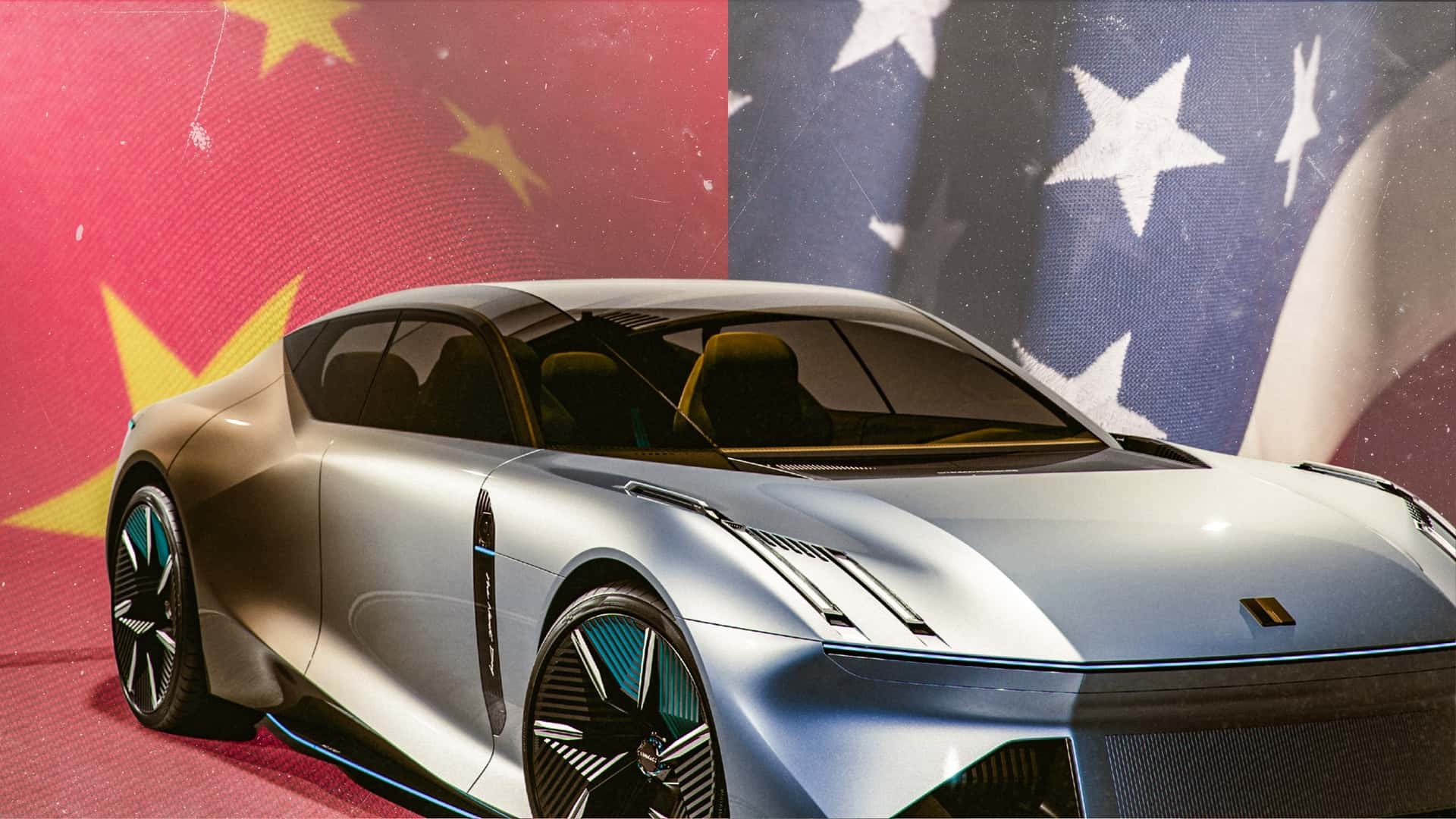
Geely, the Chinese auto conglomerate behind Volvo, Polestar, and Lotus, is preparing to enter the US market with its Zeekr and Lynk & Co brands. Their strategy involves building vehicles at the Volvo plant in South Carolina, designed specifically for American consumers. Geely believes it can offer a compelling alternative in the “affordable, premium, and luxury” segment.
Despite early-stage planning, Geely’s Head of Global Communications, Ash Sutcliffe, states they’re actively evaluating the US market and anticipate a clearer strategy within the next few years.
Political Roadblocks and Tariffs
The path isn’t clear. The Biden administration has imposed bans on Chinese vehicle software and hardware, set to take effect in 2027-2029, effectively blocking direct imports. Former President Trump has threatened even higher tariffs—100% to 200%—unless Chinese automakers build plants in the US and hire American workers. This political pressure underscores the complex geopolitical forces at play.
Trump’s stance suggests conditional acceptance: Chinese companies are welcome to manufacture in America, but direct imports will be heavily penalized.
Growing Consumer Acceptance
Despite concerns, consumer sentiment is shifting. A 2025 AutoPacific study revealed that over half of Americans would consider buying a Chinese car, a 10% increase from the previous year. Awareness of brands like Huawei, Xiaomi, and BYD has also risen sharply.
Another study by the Dave Cantin Group found that 40% of Americans would consider a Chinese vehicle, and 75% of dealers expect to sell them within a year. The driving factor? Affordability.
The Cost Advantage
Chinese automakers excel at delivering feature-rich vehicles at lower prices. For instance, Geely’s Geome EV starts around $9,800 in China, while its Emgrand sedan costs around $6,800. Lynk & Co’s 02 SUV is priced around $18,600–$19,000. If Geely can replicate these prices in the US—avoiding tariffs and leveraging US manufacturing—it could disrupt the market.
However, Americans may prefer SUVs over smaller EVs, but the price difference could still be substantial.
Security Concerns Remain
Data and security remain top concerns for American consumers. While worries have decreased from 80% in 2024 to 77% in 2025, they persist. Addressing these concerns will be critical for Chinese automakers to gain trust.
Ultimately, the success of Chinese vehicles in the US hinges on affordability. If they can deliver value without sacrificing quality or security, Americans may be willing to give them a serious look.
The question isn’t if Chinese cars will enter the US market, but how and when affordability will overcome political and consumer resistance.