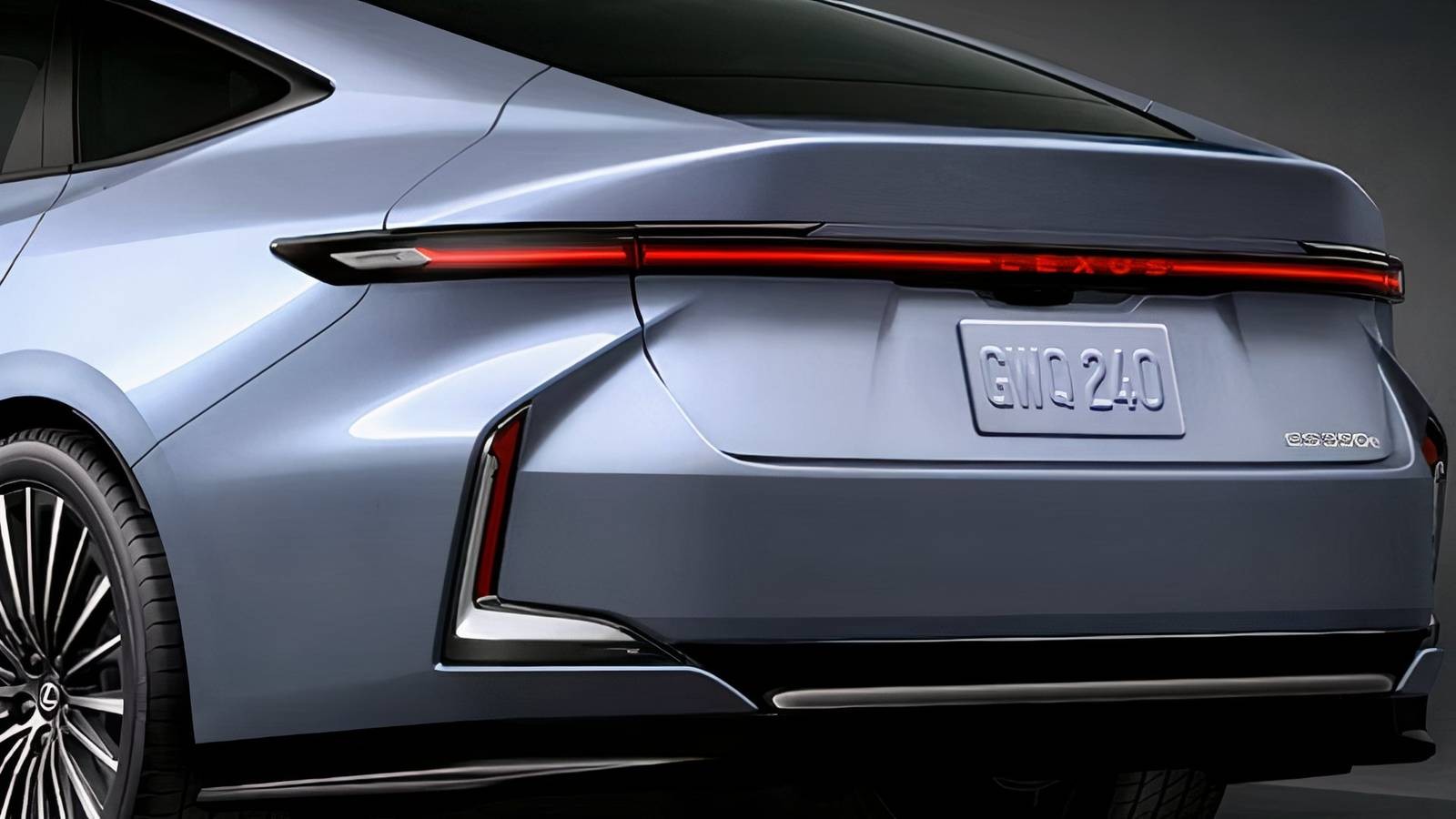
The global economy remains volatile, marked by geopolitical tensions and fluctuating energy costs. For many drivers, this means higher prices at the pump, regardless of political affiliation. Lexus is now offering a direct solution: the 2026 ES EV, an all-electric vehicle designed to mitigate the financial sting of rising fuel costs.
The 2026 Lexus ES 350e: Performance and Price
Lexus will launch both all-electric (BEV) and gas-hybrid versions of the redesigned ES in North America. The BEV models are arriving first, starting at $47,500—slightly below the national average for new cars. This base model, the 350e, is front-wheel drive and combines Lexus’s reputation for reliability with modern electric powertrain technology.
The ES 350e boasts an EPA-estimated range of 307 miles. While less than some competitors like the Lucid Air (which starts at $70,900 with 420 miles), the Lexus offers a significant price advantage. Beyond its range, the ES EV benefits from Lexus’s established service network, providing buyers with added peace of mind.
Why Now? Economic Realities and Daily Driving Needs
The average American drives approximately 37 miles daily, primarily for errands. For most drivers, 307 miles of range is more than sufficient. When combined with the lower cost of home charging compared to gasoline, the 2026 ES EV presents a compelling financial argument. For those hesitant to switch fully to electric, Lexus will also offer a gas-hybrid ES 350h starting at $49,700, providing fuel savings without the range anxiety.
A Streamlined Production Approach
The 2026 ES rides on the Multi-Pathway platform, allowing both the BEV and hybrid variants to share core components. This approach reduces production costs, enabling Lexus to offer competitive pricing. The Multi-Pathway platform builds upon the success of the previous TNGA-K platform, which was used in multiple Lexus models to ensure quality control.
The ES will likely deliver long-term reliability, as the outgoing seventh-generation model has already demonstrated. The decision to use an evolved, rather than all-new, platform minimizes the risk of initial quality issues.
The 2026 Lexus ES EV isn’t just a car; it’s a pragmatic response to economic uncertainty. By offering a cost-effective, reliable electric option, Lexus is positioning itself to meet the needs of drivers looking to shield themselves from volatile gas prices.