Australia’s new car market saw modest growth in 2025, yet some brands significantly outperformed others. While overall sales increased, many established automakers experienced declines, making way for notable gains from both emerging and established players. This analysis breaks down the brands with the largest percentage increases in sales last year, revealing key trends and shifts in consumer preference.
The Rising Stars: Percentage Growth Leaders
Several brands posted substantial growth, though raw percentage increases don’t always tell the full story. Extremely low starting volumes can artificially inflate gains, so the focus here is on brands with meaningful sales momentum.
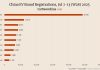
Leapmotor technically led with a 906.2% increase, but its late-year deliveries make this figure misleading. More significant gains were seen in brands with established presence.
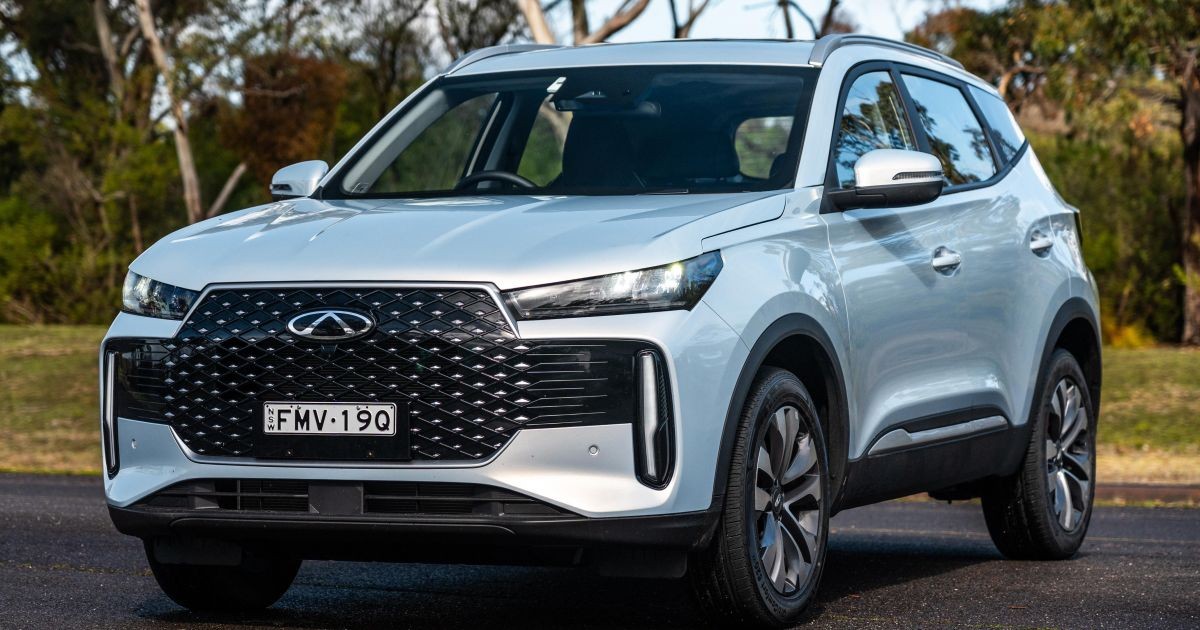
- Chery (+176.8%): The relaunch of Chery in Australia, led by the Omoda 5, has been a success. Total sales reached 34,889 units, pushing the brand to 13th place overall. Despite internal competition from its sister brand, Omoda Jaecoo, Chery’s core models like the Tiggo 4 saw massive growth (up 950.5%).
- BYD (+156.2%): BYD, another rapidly expanding Chinese brand, sold 52,415 units in 2025. The Shark 6 plug-in hybrid ute and Sealion 7 electric SUV were key drivers, though some existing models like the Atto 3 and Seal saw declines due to increased competition.
- Polestar (+38.5%): Polestar’s growth was driven by its SUVs, with the Polestar 3 and Polestar 4 showing substantial increases (367.6% and 607.7% respectively). This offsets declines in the Polestar 2.
- Mini (+37.7%): Revitalized with new Cooper and Countryman generations, Mini saw a broad-based increase across its lineup, including the Aceman.
- GWM (+23.4%): GWM reached 52,809 units, placing seventh overall. The Haval Jolion remains a best-seller, though the Ora electric hatch and Tank 500 saw sales decline.
- Cupra (+21.0%): Cupra’s expansion continues, with the Formentor SUV accounting for over half of its sales. Declines in some models were offset by growth in the Tavascan and Terramar SUVs.
- Genesis (+14.4%): After a decline in 2024, Genesis rebounded with increased sales, primarily driven by the GV70 SUV. However, many other models experienced double-digit drops.
- Mercedes-Benz (+11.1%): Mercedes-Benz saw growth across both its car and van divisions, with SUVs performing particularly well.
- Honda (+9.2%): Honda’s recovery is ongoing, with the HR-V small SUV leading the charge.
- Hyundai (+7.7%): Hyundai’s growth was driven by models like the Kona and Santa Fe, offsetting declines in others such as the i30 and Palisade.
Why This Matters: The Shifting Automotive Landscape
These figures highlight several key trends. First, Chinese brands are gaining significant traction in the Australian market, not just through aggressive pricing but also through model expansion and brand awareness. Second, electric vehicle sales are growing, but competition is intensifying, leading to declines for some early entrants like BYD’s Atto 3 and Tesla’s Model 3. Third, established luxury brands are struggling to maintain momentum, with Genesis and Mercedes-Benz relying on specific models to drive growth.
The Australian automotive market is becoming increasingly competitive, and these trends suggest a continued shift towards affordability, electrification, and brand diversification.
Looking ahead, continued expansion of Chinese brands is almost certain. The question is whether established players can adapt quickly enough to maintain their market share in this evolving landscape.