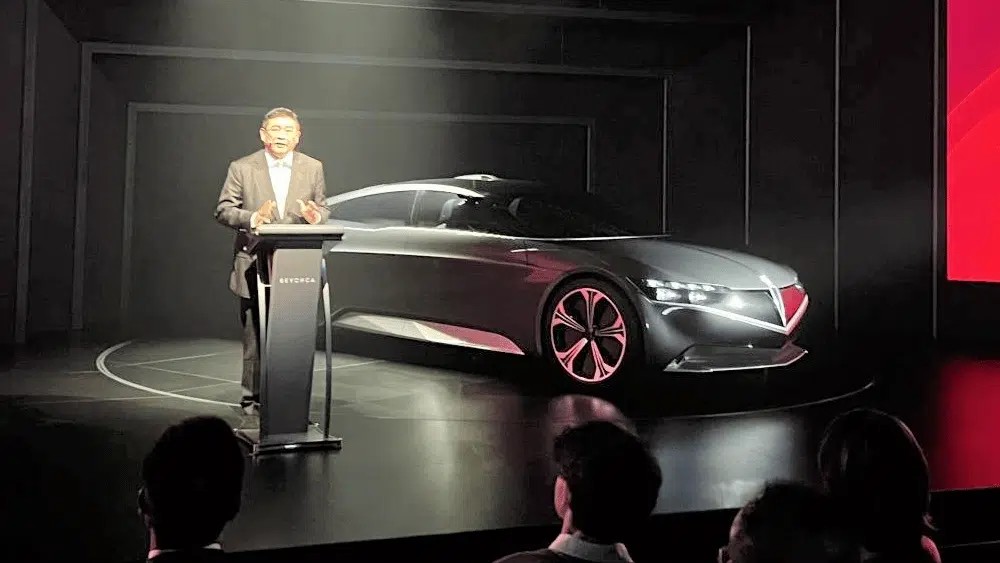
A Chinese luxury electric vehicle (EV) startup founded by former Volkswagen executives has abruptly collapsed, leaving hundreds of employees without wages or social security contributions. The company, BeyonCa, which once boasted strong backing and ambitious sales targets, quietly ceased operations in March 2024. This failure raises questions about the viability of new EV ventures, even those led by industry veterans and backed by significant investment.
The Rise and Fall of BeyonCa
BeyonCa was established in 2021 by Soh Weiming, a former vice president of the Volkswagen Group, and Christian Klinger, a former VW AG board member. The firm attracted talent from Volkswagen, including Hans-Joachim Rothenpieler (R&D) and Lucas Colombo (design). The company initially projected sales of 100,000 vehicles within 3-5 years, signed partnership agreements with Saudi Arabian investors and the Zhuji City government, and even announced plans for a Hong Kong manufacturing plant.
Despite these apparent advancements, production never materialized. BeyonCa aimed to launch the GT Opus 1, a high-end electric coupe priced at approximately $140,000 USD, but the project stalled. Attempts to contact the company’s PR department in 2025 were unsuccessful, foreshadowing the eventual collapse.
Unpaid Wages and Silent Shutdown
On March 27, 2024, Chinese media outlet Mydrivers reported that BeyonCa employees had issued a joint letter detailing the company’s complete shutdown. Despite securing investments from Renault and Dongfeng, the firm failed to meet its financial obligations, leaving employees in a crisis. Management has become unreachable, with no communication regarding unpaid wages, social security, or housing fund contributions.
Employees are demanding full compensation, including back pay, social security contributions, and severance. They are prepared to pursue legal action if their demands are not met.
The Unanswered Question
The sudden failure of BeyonCa is particularly puzzling given its leadership team’s extensive experience at Volkswagen and its backing from major investors, including Saudi Arabia’s Al Faisaliah Group Holding Company. The company never reached mass production, yet its collapse has left employees with no explanation or financial recourse.
The case highlights the risks inherent in the rapidly evolving EV market, where even well-funded startups can fail unexpectedly, and underscores the importance of transparency and accountability in international business ventures.
This incident underscores the challenges facing new EV companies in China, even those with strong credentials, and raises critical questions about investment oversight and labor protection in the industry.