McLaren is moving out of a period of transition and into a phase of active expansion. After a year marked by a change in ownership and leadership, the automaker is set to reveal its long-term strategic direction this summer.
A New Era of Product Development
In a recent interview with Autocar, McLaren CEO Nick Collins indicated that the company will begin “unpacking” its upcoming plans in the coming months. This rollout is expected to align with the delivery phase of the highly anticipated W1 hypercar, signaling a shift from internal restructuring to external market presence.
The upcoming roadmap is expected to focus on two primary pillars:
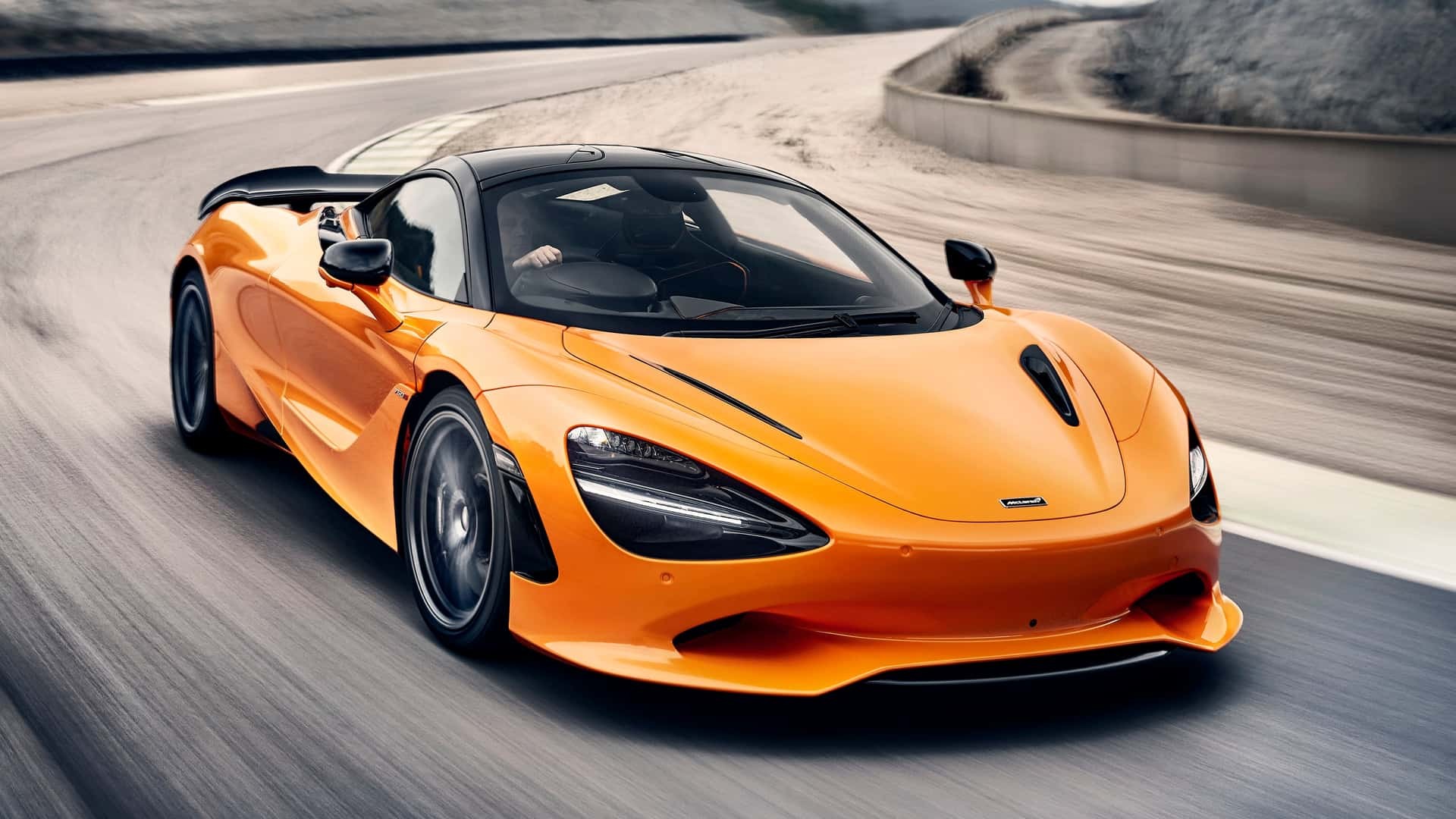
– Next-generation combustion engines: McLaren intends to refresh its core lineup, likely including a successor to the current 750S.
– New product categories: The brand is looking beyond traditional low-volume supercars to reach a broader audience.
The Return of the SUV: Project “P47”
Perhaps the most significant development in McLaren’s strategy is the rumored entry into the high-performance SUV market. While the company has not officially confirmed the details, industry reports suggest a project internally codenamed “P47.”
According to recent leaks, this vehicle is expected to be:
– A five-seat hybrid model.
– Designed with performance-oriented proportions, potentially competing with heavyweights like the Porsche Cayenne Turbo GT.
This move represents a significant pivot for the brand. While McLaren has historically focused on niche, driver-centric sports cars, the SUV market offers a much larger volume of sales and a way to leverage hybrid technology in a highly profitable segment.
The Question of Electrification
Despite the global automotive industry’s aggressive push toward full electrification, McLaren is taking a measured approach. CEO Nick Collins has stated that while an electric vehicle (EV) is a possibility, it is not the immediate priority.
“We will build an EV when our customers want one,” Collins noted, suggesting that the brand will prioritize internal combustion and hybrid performance until market demand dictates otherwise.
This “customer-first” philosophy allows McLaren to avoid the pitfalls of rushing into an unproven EV market, focusing instead on perfecting the hybrid powertrains that bridge the gap between traditional petrol engines and a fully electric future.
What to Expect Next
The first tangible sign of this revamped direction will likely be a new concept car, expected to debut before the end of this year. This concept will serve as the blueprint for the next generation of McLaren production models.
Conclusion
By balancing its heritage of high-performance combustion engines with a strategic expansion into the SUV market, McLaren is attempting to stabilize its financial future while maintaining its status as a premier supercar manufacturer.