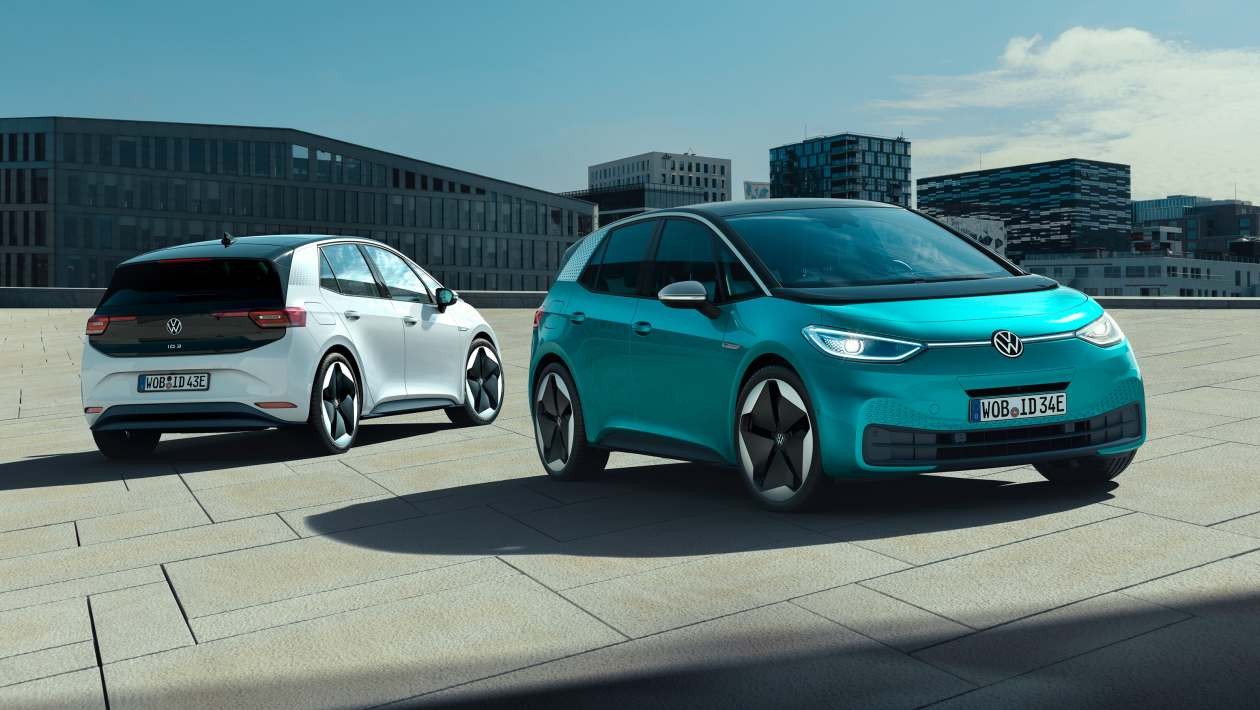
In a rare moment of corporate vulnerability, Volkswagen is acknowledging that its initial foray into the electric vehicle (EV) era missed the mark. The company has admitted that the first generation of its ID. series—specifically the ID.3 hatchback and ID.4 SUV —failed to capture the essential “spirit” of the Volkswagen brand, prompting a massive strategic and cultural overhaul.
This admission marks a significant turning point for the German automaker as it prepares for a massive wave of new launches, starting with the revamped ID.3 ‘Neo’ next week, followed by a lineup including the ID.Polo, ID.Cross, and a refreshed ID.4.
Correcting the Course: Design and Usability
Volkswagen Brand CEO Thomas Schäfer has been candid about the mistakes that alienated loyal customers. Under previous leadership, the brand drifted away from its core identity, focusing on trends that didn’t resonate with its traditional user base.
The primary criticisms leveled against the original ID. range include:
– Identity Crisis: Exterior designs that lacked the “true Volkswagen” aesthetic.
– Poor Ergonomics: The implementation of unintuitive, smartphone-inspired controls—such as touch-sensitive sliders for climate control—which many drivers found frustrating.
– Naming Confusion: Moving away from iconic, established model names like Golf, Polo, and Tiguan in favor of a new, less recognizable nomenclature.
“We were actually losing our core: what Volkswagen really stands for, the special Volkswagen feeling, for customers, for fans and for our teams,” admitted Schäfer.
From Intuition to Customer-Centric Engineering
A major driver of this shift is a fundamental change in how cars are developed. Historically, Volkswagen was defined by a “macho” corporate culture led by legendary but polarizing figures like Ferdinand Piech and Martin Winterkorn. This era was characterized by top-down directives and aggressive targets, which eventually contributed to the infamous diesel emissions scandal.
Under the new leadership of Schäfer and Engineering Chief Kai Grünitz, the company is attempting to dismantle this old guard. The new philosophy moves away from “executive intuition” and toward data-driven customer feedback.
Rather than engineers deciding what a car needs based on personal preference, VW is now utilizing:
– Extensive Customer Clinics: Testing features directly with real-world users.
– Strict User Profiles: Developing vehicles tailored to specific, documented driver needs.
– Usability over Novelty: Reintroducing physical buttons and tactile elements (like traditional door handles) to ensure cars remain functional in everyday life.
A New Design Language
To spearhead this visual rebirth, Volkswagen recruited designer Andy Mindt from Bentley. The goal is to move away from experimental aesthetics and toward a design language that is clear, timeless, and confident.
The upcoming ID.2all concept serves as the blueprint for this new era. It emphasizes a “chunky” stance and crisp surfaces designed to look good even after a decade of use. Most importantly, the design is being guided by logic; for example, the return of traditional door handles is a direct response to customers who found flush-mounted handles difficult to use when carrying groceries.
The Road Ahead
The success of this cultural and product pivot remains to be seen. Volkswagen is attempting to transition from a company that simply “sells engines with sheet metal around them” to one that sells “emotions and memories.”
As the company rolls out its new lineup through 2026, the ultimate metric of success will not be internal pride, but whether global sales figures reflect a regained trust from the driving public.
Conclusion
Volkswagen is attempting a high-stakes course correction by abandoning experimental tech-centric designs in favor of the intuitive, recognizable, and practical qualities that built its legacy. Whether this return to “brand roots” can win back disillusioned customers remains the company’s most critical challenge.