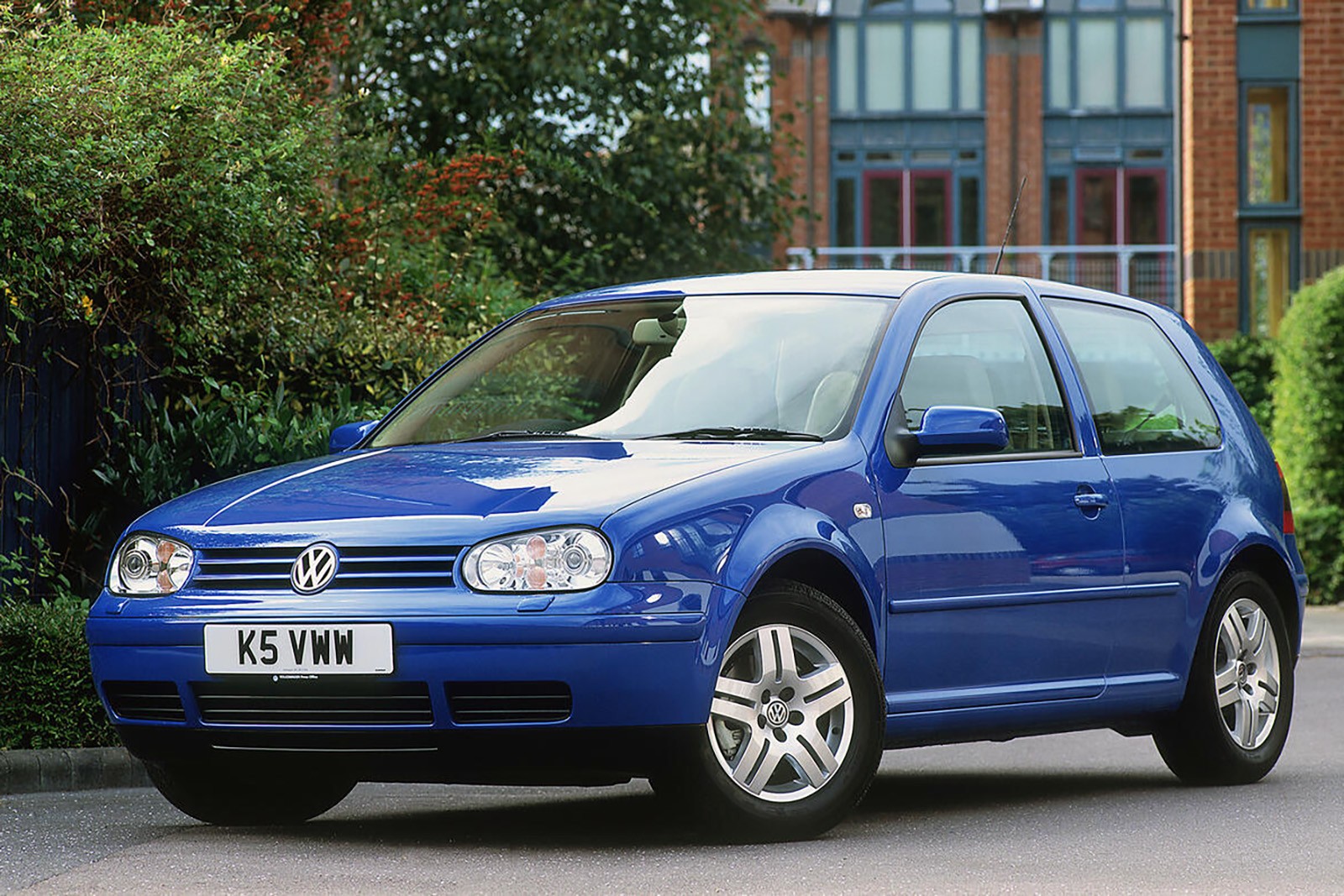
The 1997 Frankfurt Motor Show saw a strange spectacle: people repeatedly pulling and releasing the grab handles in the new Volkswagen Golf. What captivated them wasn’t the handle itself, but how it moved—a slow, silent glide upwards, defying the expected plasticky thud. This seemingly trivial detail marked a turning point in the automotive industry.
The Rise of Cabin Quality
The Mk4 Golf didn’t just offer a better engine or sleeker design; it brought a new level of quality to mass-market cars. Before this, “quality” meant reliability and basic functionality. Now, it included the feel of the interior—the reassuring density of the dashboard, the subtle give of textured surfaces, and the damped motion of even the smallest components.
This wasn’t just about aesthetics; it was about perception. Volkswagen was deliberately raising the bar, making even affordable cars feel premium. The soft-return grab handles weren’t a gimmick—they were a symbol of this shift.
Ford’s Response and the Competitive Landscape
Volkswagen’s strategy caught competitors off guard. Ford, preparing the 1998 Focus, had meticulously engineered a superior vehicle in many respects. However, they underestimated the importance of tactile details. The Focus lacked the Golf’s soft-feel dashboard and refined switchgear, a crucial oversight that couldn’t be corrected at that stage.
While the Focus excelled in handling with its innovative ‘Control Blade’ suspension, the Golf had already set a new standard for interior refinement. This illustrates how even seemingly minor details can influence consumer perception and competitive positioning.
Lasting Impact and Market Shift
The Mk4 Golf’s impact wasn’t limited to just one model year. It forced other manufacturers to elevate their own cabin quality, pushing the entire family hatch segment upwards. The Golf proved that even an everyday car could offer a taste of luxury, blurring the lines between mass-market and premium brands.
The Mk4 Golf didn’t just improve affordability; it changed what drivers expected from their cars. It demonstrated that quality wasn’t just about engineering—it was about the feeling, the subtle details that made a vehicle feel special.
Today, many affordable cars offer similar levels of refinement, a direct legacy of Volkswagen’s gamble in 1997. The Golf showed that even small details matter, and that the perception of quality can be as important as the actual engineering.