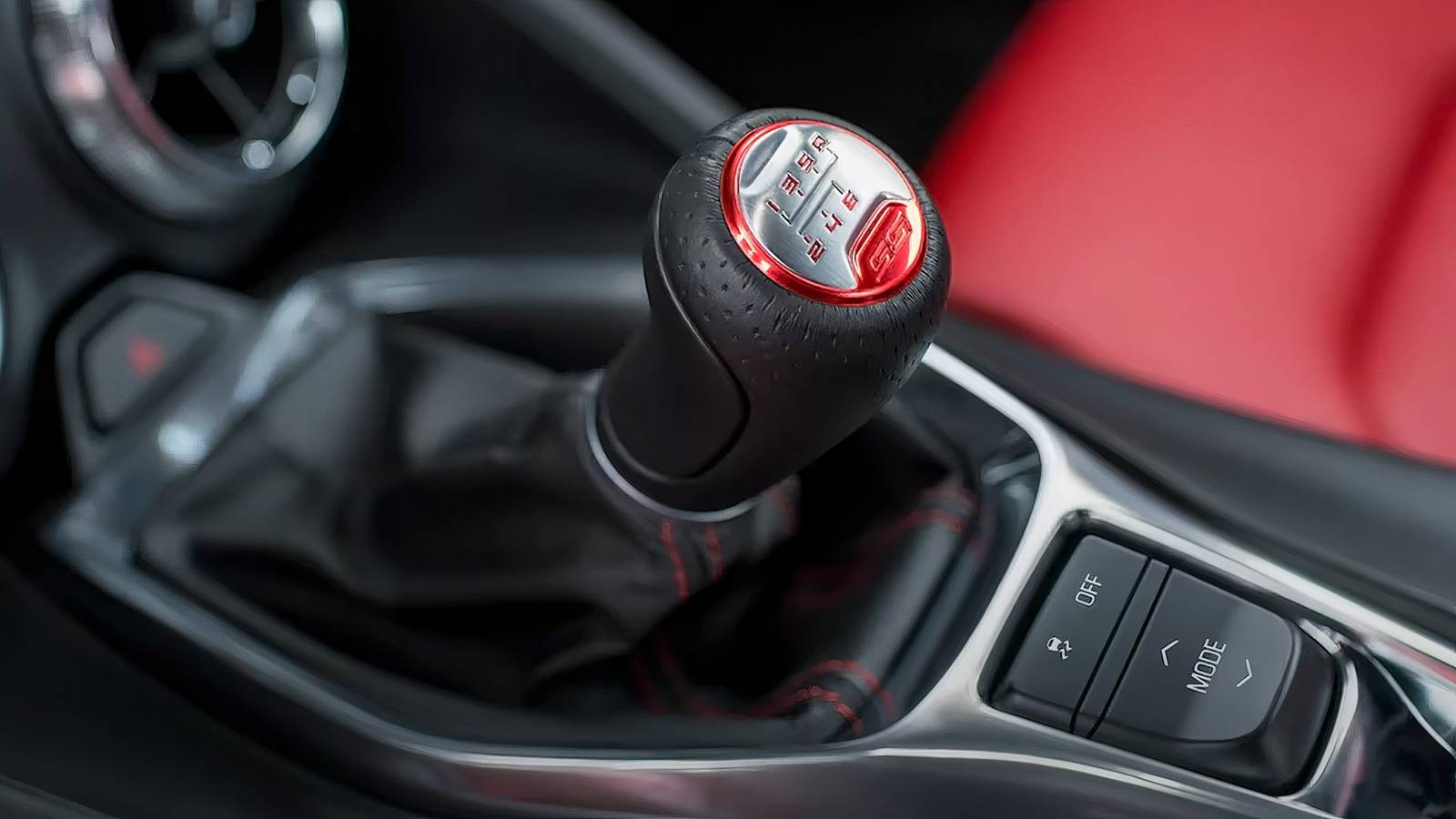
General Motors is reportedly preparing for a significant brand revival, including the return of the iconic Camaro. However, the rumors surrounding this comeback suggest a radical departure from the classic “pony car” formula. Instead of the traditional two-door coupe, the next generation may emerge as a four-door model—though it may carry a key feature that keeps enthusiasts engaged: a manual transmission.
The Return of the Three-Pedal Setup
In an era dominated by electric motors and continuously variable transmissions (CVTs), manual gearboxes are becoming a rare luxury. Reports from GM Authority suggest that the next-gen Camaro will offer a manual option alongside its automatic counterpart.
This is a significant detail for several reasons:
– Rarity: Very few American performance models currently offer a “stick shift.” Aside from the Ford Mustang and Cadillac’s Blackwing series, the option is vanishing.
– Proven Hardware: Sources indicate a six-speed unit may be positioned between the axles. This would likely be a Tremec TR-3160 or TR-6060, the same high-performance units used in the Cadillac CT4-V and CT5-V Blackwing.
By including a manual, GM would be positioning the Camaro not just as a commuter, but as a “driver’s car,” catering to a niche but fiercely loyal segment of the market.
A New Silhouette: From Coupe to “Four-Door Coupe”
The most controversial aspect of the upcoming Camaro is its rumored body style. Rather than the two-door layout that defined the nameplate for decades, the new model is expected to ride on an updated version of GM’s Alpha II platform, likely configured as a four-door.
However, this may not be a standard sedan. To avoid the “family car” stigma, reports suggest GM might opt for a fastback or “four-door coupe” design.
| Design Style | Characteristics | Potential Comparisons |
|---|---|---|
| Traditional Sedan | Three-box design (engine, cabin, trunk) | Cadillac CT5, Toyota Camry |
| Four-Door Coupe | Sloping roofline, sleek profile | Kia Stinger, Porsche Panamera |
| Liftback/Fastback | Integrated rear hatch, sporty silhouette | Dodge Charger |
This shift reflects a broader industry trend where manufacturers attempt to merge the utility of a sedan with the aggressive styling of a sports car. While this approach has worked for models like the Kia Stinger, it poses a risk for the Camaro: American muscle enthusiasts may struggle to connect with a vehicle that feels more “European” than “Detroit.”
The Stakes for the Camaro Legacy
While the news of a manual transmission is a major win, the transition to a four-door platform remains a point of contention. The automotive industry is currently in a state of flux, balancing the demand for performance with the realities of electrification and changing consumer preferences for larger, more versatile vehicles.
The central question for GM is whether they can maintain the soul of the Camaro while changing its fundamental shape. If the new model focuses too heavily on sleek, sedan-like aesthetics, it risks becoming a “sports car in disguise” rather than a true American muscle icon.
Conclusion: The potential return of the Camaro offers a tantalizing mix of old and new: a modern, four-door versatile platform paired with the enthusiast-favorite manual transmission. Whether this hybrid identity can successfully capture the spirit of a legendary muscle car remains to be seen.