After nearly a decade of delays and broken promises, Tesla appears to be moving from speculation to execution regarding its long-awaited second-generation Roadster. The strongest evidence yet that the electric sports car is nearing production comes not from a flashy press conference, but from a quiet administrative update: a new trademark filing.
The Evidence in the Details
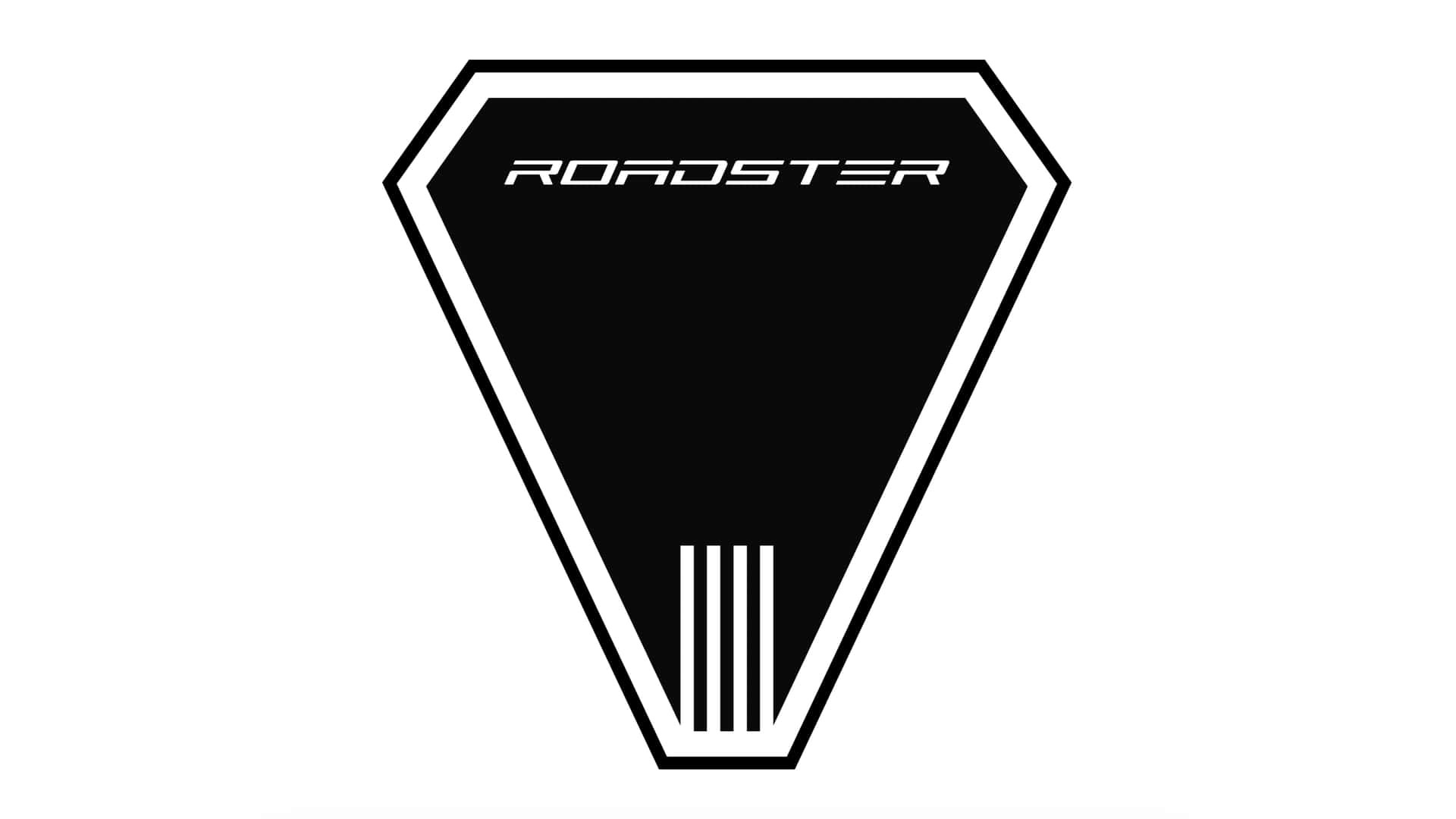
At the end of April 2026, Tesla filed a new trademark for what appears to be the official logo or badge for the Roadster. The design features the word “Roadster” in script at the top of an asymmetrical hexagon, with stylized lines extending from the bottom. This filing covers a wide range of goods, including electric vehicles, batteries, and even clothing, indicating a comprehensive brand rollout strategy.
This is not an isolated event. It follows two previous filings in February: one for the general “Roadster” branding and another for a silhouette of a low-slung coupe. Together, these filings form a pattern that suggests Tesla is preparing the legal and commercial groundwork for a product launch.
Context: A History of Missed Deadlines
To understand why this trademark matters, it helps to recall the history of the Roadster 2. Tesla first unveiled the prototype nearly ten years ago, with CEO Elon Musk promising production would begin in 2020. That deadline passed without incident. Six years later, the car remains unseen on public roads, leading many to question whether the project was still alive.
Musk has occasionally reignited hope, most notably claiming in a previous earnings report that the automaker was still preparing to produce the next-generation model. He had also hinted at a reveal date of April 1, with production following 12–18 months later, but those timelines never materialized.
Why This Shifts the Narrative
Trademark filings are often the first concrete step before a physical product launch. While companies can file trademarks for concepts that never materialize, the specificity of these recent filings—covering both the vehicle itself and associated merchandise—suggests a serious intent to sell.
The lack of recent public updates on the Roadster has made these bureaucratic filings our best indicator of progress. If Tesla were abandoning the project, there would be no need to secure branding rights for new logos and silhouettes. Instead, the company seems to be finalizing its identity for the car, a step that typically precedes manufacturing and marketing campaigns.
Key Takeaway: While we may still be over a year away from seeing the Roadster in production, the recent trademark activity signals that Tesla is no longer just talking about the car—it is preparing to sell it.
Conclusion
The new trademark filings provide a tangible update on one of the most anticipated electric vehicles in history. While the Roadster remains elusive, these legal moves suggest that Tesla is finally closing the gap between promise and delivery. For enthusiasts who have waited nearly a decade, this may be the first real sign that the wait is almost over.