A new automotive company, Kosmera, is set to unveil its first vehicle at the Consumer Electronics Show (CES) in January. Unlike many automakers focusing on fully autonomous and connected cars, Kosmera positions itself as taking a “fundamentally different approach to mobility.”
A Mysterious New Player
The company’s origin remains largely unknown, though trademark filings reveal it’s backed by Xing Chen Future Automotive Technology Co Ltd., a Chinese firm. This suggests the vehicle is being developed in China, though Kosmera describes itself as more than just an automaker. Instead, they claim to be building a “technology-driven platform” that merges real-world experiences with digital services.
Teaser Reveals a Sleek Design
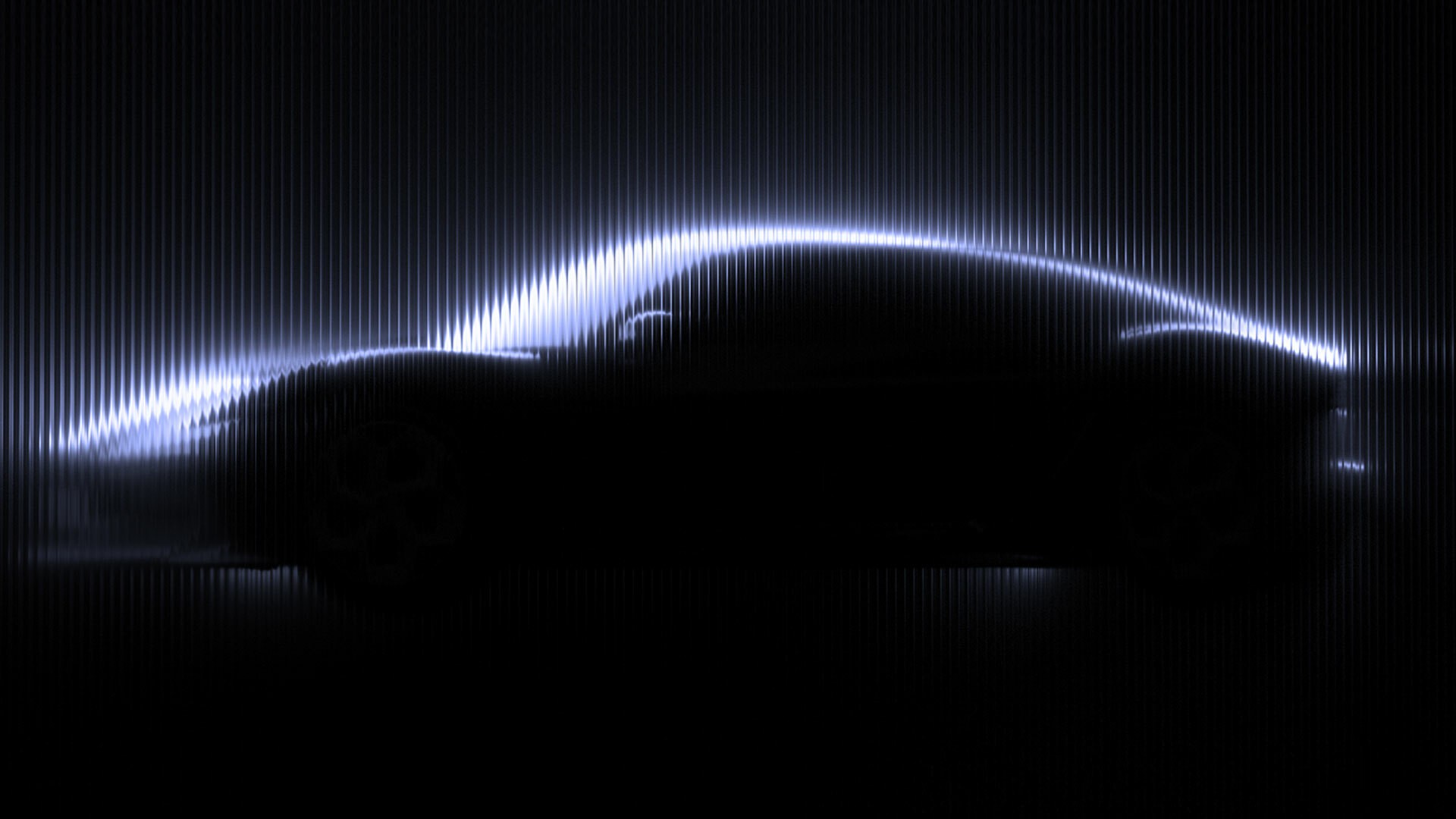
Initial teaser images depict what appears to be a sleek sports car reminiscent of the Porsche 718 Cayman. However, enhanced images suggest the vehicle is actually a four-door sedan or liftback with aggressive styling, including pronounced rear haunches and a substantial front overhang. The exact design remains unclear, but the vehicle is clearly intended to stand out visually.
Why This Matters
The emergence of Kosmera highlights the growing competition in the automotive sector, particularly from Chinese manufacturers. While many companies are racing toward full automation, Kosmera’s focus on driver-centric technology could disrupt the industry. The company’s emphasis on integrating digital services with physical driving experiences also suggests a broader shift in how vehicles will interact with consumers in the future.
What to Expect at CES
Kosmera’s exhibit will open on January 6, where the company is expected to reveal more details about its platform and vehicle. For those following the automotive tech space, Kosmera’s debut is likely to be one of the most intriguing reveals at CES.
Kosmera’s unique positioning suggests a potential alternative to the dominant trends in autonomous driving, which could reshape consumer expectations. The company’s approach, if successful, may force established automakers to reconsider their strategies and prioritize driver engagement alongside technological advancement.