Mercedes-AMG is preparing to launch a new era for its flagship GT 4-Door Coupe. While previous iterations of this model were defined by the visceral roar of a combustion engine, the upcoming version is shifting its focus toward the electric frontier. In a strategic pivot, AMG is moving away from competing directly with the Porsche Panamera and is instead setting its sights on the Porsche Taycan.
This transition marks a significant challenge for the brand: how to maintain the “soul” of an AMG performance car when the fuel is gone.
Engineering Emotion into an Electric Platform
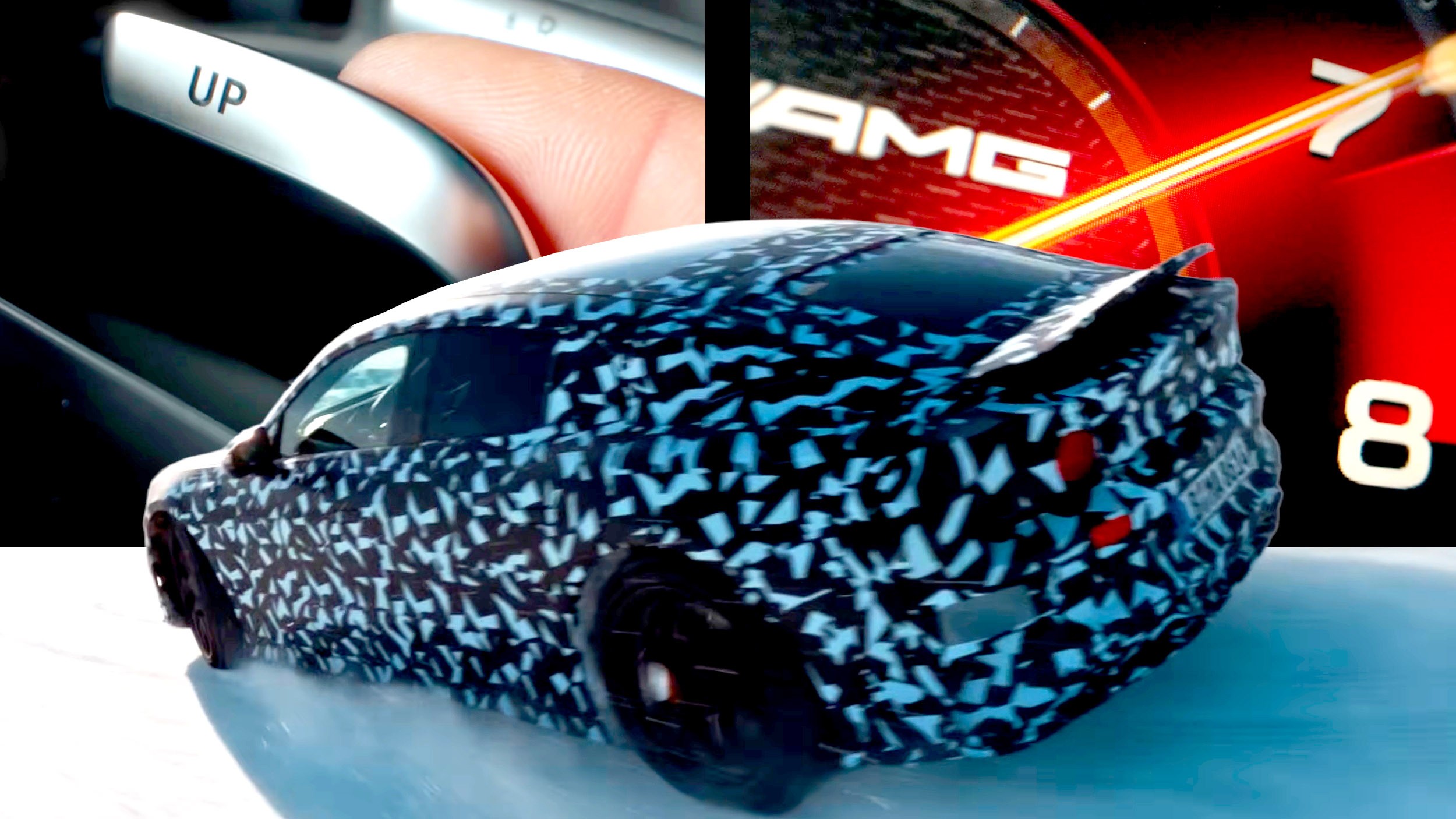
A recent teaser featuring brand ambassador Gabriel Macht provides a glimpse into how AMG intends to bridge this gap. Despite the absence of a traditional internal combustion engine, the new GT 4-Door Coupe is designed to mimic the theatricality of a V8.
The vehicle utilizes several layers of technology to simulate a high-performance driving experience:
- Synthetic Soundscapes: Much like the “Concept GT XX” project, which used external speakers to alert pedestrians, the production model appears to use synthesized audio to provide a sensory connection to the driver.
- Digital Feedback: When the driver selects Sport+ mode via the steering wheel, the car provides a simulated rev counter and tactile feedback through the paddle shifters, echoing the rhythmic cadence of a gasoline engine.
- Dynamic Control Dials: Three rotating dials on the center tunnel allow the driver to fine-tune the car’s personality. These adjust Throttle Response, Agility, and Traction, offering a spectrum of feel ranging from controlled wheel spin to maximum grip.
Performance Specifications and Hardware
The new GT 4-Door Coupe will be the first production vehicle built on the dedicated AMG.EA platform. This specialized architecture is designed specifically to handle the unique demands of high-performance electric driving.
According to technical projections, the vehicle is expected to deliver staggering performance:
– Power Output: Up to 1,341 hp (1,000 kW).
– Powertrain: Three axial-flux electric motors.
– Chassis Tech: Advanced torque vectoring, adjustable air suspension, and semi-active roll stabilization.
– Braking: A choice between high-performance steel and carbon-ceramic discs.
The Context: The Battle for “Driving Soul”
The shift from the Panamera to the Taycan is more than just a change in competitors; it is a change in philosophy. For decades, AMG has been synonymous with the sound and vibration of large-displacement engines. As the industry moves toward zero-emission mandates, performance brands face a “credibility gap.”
By focusing on simulated sound and highly configurable driving dynamics, Mercedes-AMG is attempting to prove that “performance” is not just about raw speed, but about the emotional engagement between the driver and the machine.
The success of this model will likely depend on whether drivers accept a digital approximation of a V8, or if they will ultimately crave the mechanical authenticity of a traditional engine.
In summary, Mercedes-AMG is betting that through advanced software and clever engineering, it can translate its legendary V8 character into a high-voltage, electric reality.