Renault has unveiled the next-generation Duster for the Indian market, marking a pivotal step in its ambitious plan to capture a larger share of the rapidly growing automotive landscape outside of Europe.
The Rise of SUVs in India
The Indian car market, already the world’s third-largest at 4.3 million units annually, is experiencing robust growth, with sales increasing by 5–10% each year. This expansion is driven by a surge in SUV demand, which now accounts for over half of all vehicles sold. The new Duster arrives at a time when SUVs dominate the market, presenting a significant opportunity for Renault to capitalize on this trend.
Legacy and Branding
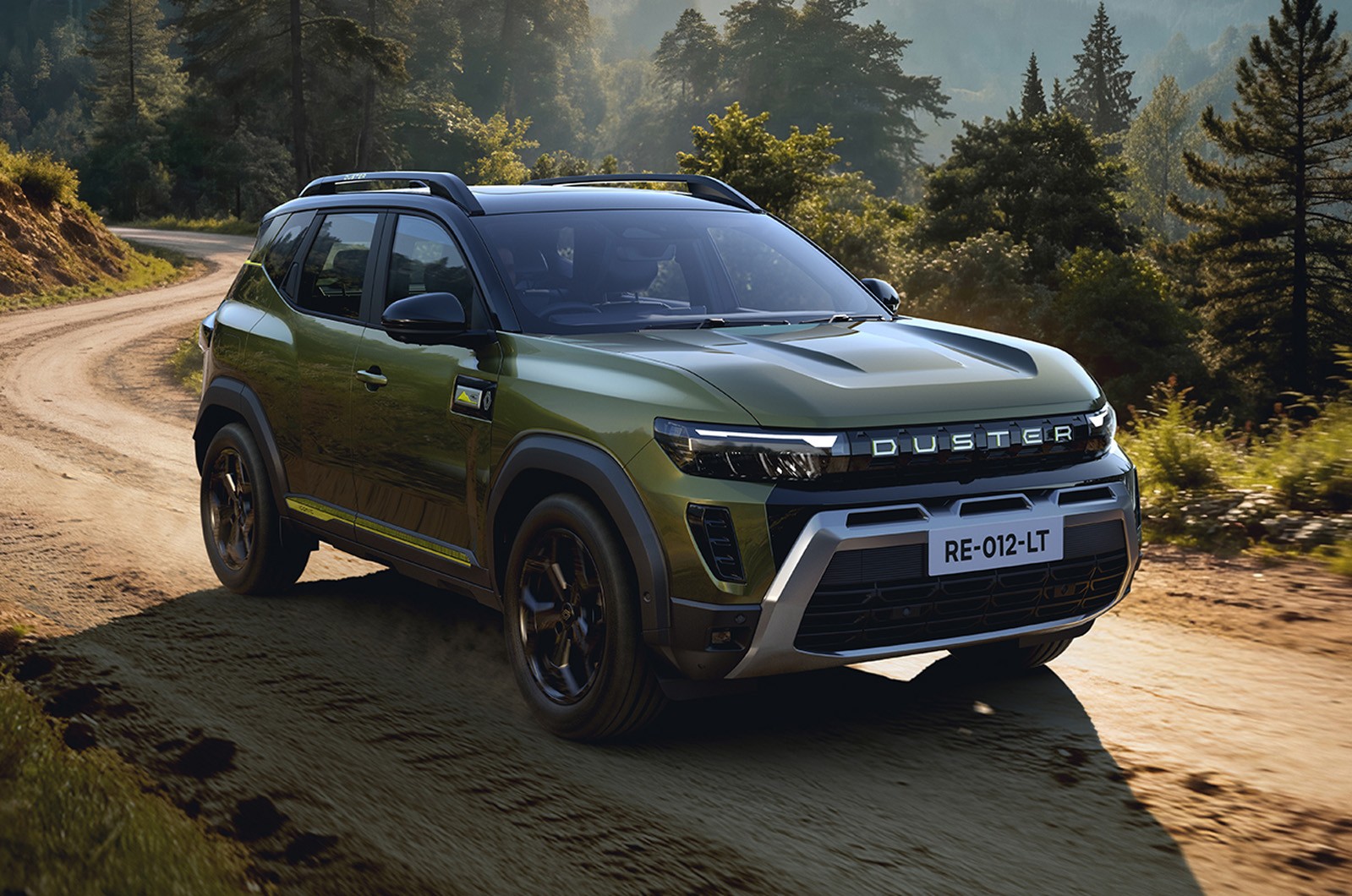
The first-generation Duster played a key role in establishing the compact SUV segment in India, reportedly selling 40,000 units annually when SUVs represented only 10% of the market. Renault’s product boss, Bruno Vanel, emphasizes the “huge potential” of the new model, given the current market dynamics. The company has boldly chosen to display “Duster” prominently on the vehicle’s front end rather than “Renault,” signaling the model’s strong brand recognition in India.
CEO Fabrice Cambolive explained that “Duster for Renault is a global car with a legacy,” and leveraging this familiarity is crucial for efficient market penetration in a country with 1.4 billion people.
Design and Engineering
While sharing the CMF-B platform with the European Dacia Duster, the Indian-market Duster features a bespoke design both inside and out, along with unique powertrain options tailored to local demands. Renault’s new Indian engineering center has optimized the chassis to handle challenging driving conditions, with notable improvements to approach and departure angles (25.7° and 29.2°, respectively) for enhanced off-road capability.
Competition
Key competitors include the Maruti Suzuki Jimny, Hyundai Creta, and Tata Sierra, all vying for dominance in the competitive Indian SUV segment. The new Duster’s design and engineering reflect Renault’s strategy of adapting to specific regional requirements, ensuring it remains relevant in a diverse global market.
Conclusion: The new Renault Duster isn’t just a vehicle; it’s a statement. By doubling down on the “Duster” name’s recognition in India, Renault is betting big on the model’s legacy and its potential to drive sales in one of the world’s fastest-growing automotive markets. The tailored design and engineering for local conditions further solidify its position as a serious contender in the SUV race.