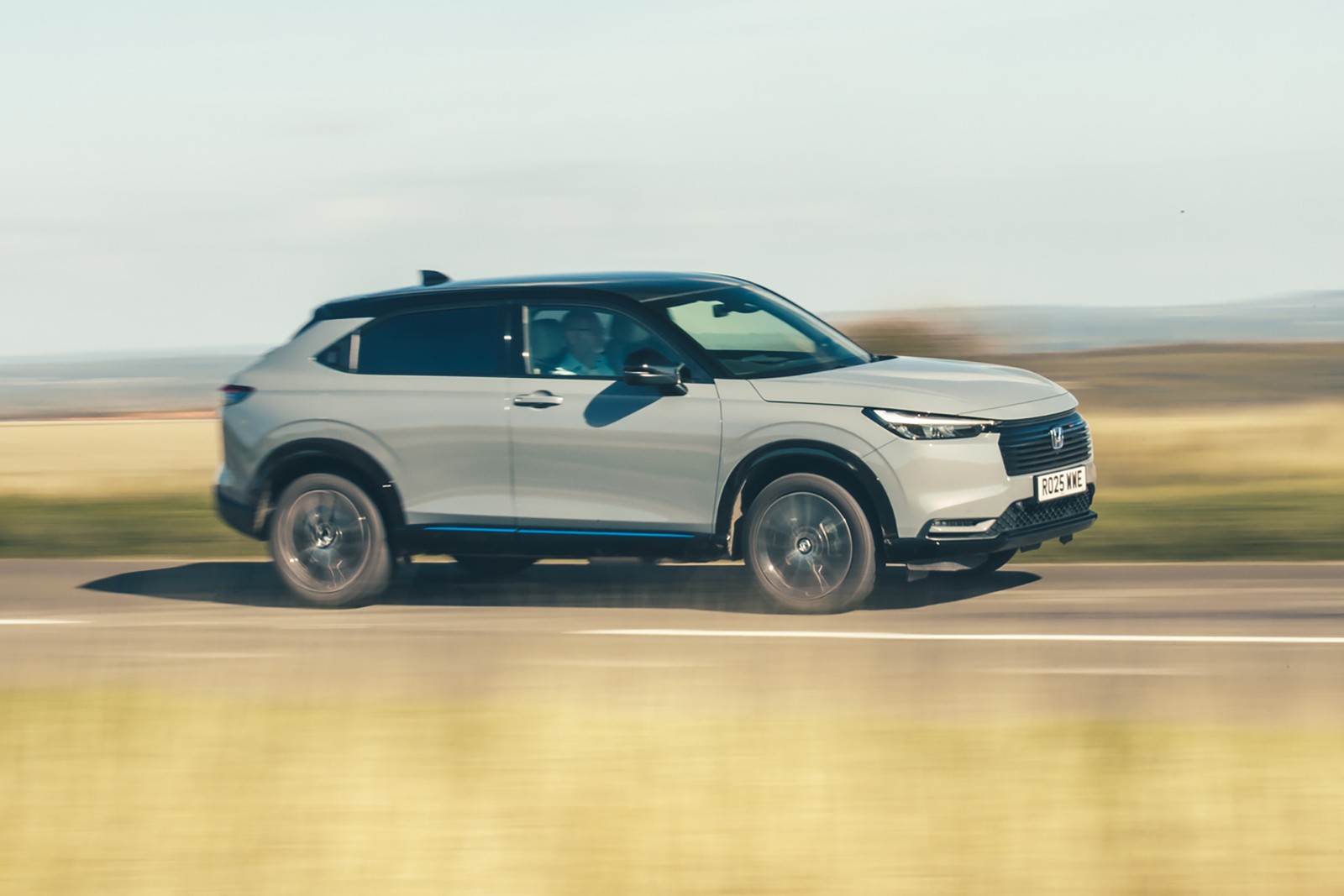
After 12,000 miles of testing, the third-generation Honda HR-V proves that even in a segment defined by visual monotony, there is still room for distinction. While many B-segment crossovers blend into a sea of indistinguishable silhouettes, the HR-V maintains a unique identity—a legacy that traces back to its origins as one of the very first crossover models.
A Legacy of Innovation
The HR-V has a storied history in the automotive world. Launched in 1999, it was a pioneer of the crossover concept, predating the modern craze by decades. While its second generation was a reliable, practical evolution of the Honda Jazz, the current third generation aims to reclaim that original spirit of standing out from the crowd.
In a market where a Toyota C-HR can easily be mistaken for a Nissan Juke, Honda has focused on creating a vehicle with a specific, recognizable character.
Design Evolution and Aesthetic Upgrades
The latest iteration of the HR-V has undergone a mid-life refresh designed to sharpen its visual appeal. The updates move away from overly rounded shapes toward a more aggressive and defined look. Key changes include:
- A redesigned front end: A less rounded grille and a reworked bumper.
- Sharper lighting: More defined headlight units.
- Enhanced body sculpting: Increased definition along the side profiles of the vehicle.
In the high-spec Advance Style Plus trim, these design elements are further accentuated by the Obscura Black Pack. This option replaces traditional body-colored accents with black finishes on the seven-bar grille, side mirrors, and bumpers. When paired with the now-standard black roof, the car achieves a more premium, contemporary aesthetic.
Technology and Practicality
The HR-V is positioned as a sophisticated hybrid, utilizing Honda’s e:HEV front-wheel-drive powertrain. This setup prioritizes efficiency, which is essential as urban driving trends shift toward electrification.
The Advance Style Plus trim focuses on “creature comforts” that bridge the gap between a compact crossover and a luxury vehicle. Notable features include:
– Convenience: An electric tailgate and a wireless phone charger.
– Comfort: A heated steering wheel and a panoramic roof.
– Technology: Adaptive headlights and an uprated audio system.
The Verdict
The Honda HR-V succeeds by balancing its historical identity with modern refinements. It avoids the “sameness” of its competitors through thoughtful design updates and a high level of standard equipment.
While the crossover segment is increasingly crowded, the HR-V remains a distinctive choice for those seeking a blend of hybrid efficiency and premium styling.