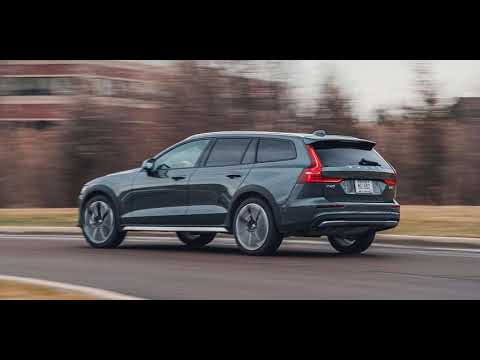
Volvo is phasing out its final station wagon in the U.S. market: the 2026 V60 Cross Country. This decision marks a turning point, as the Swedish automaker abandons a body style that once defined its brand for many American drivers. The move reflects broader consumer trends, where SUVs and crossovers now dominate sales, leaving little room for traditional wagons.
A History of Versatility
Volvo’s first wagon, the Duett (early 1950s), was designed for both work and daily use. Over the decades, the company evolved the wagon form with models like the P220, refining its blend of practicality and comfort. The iconic 200-series, a “brick” in enthusiast circles, sold millions of units and became synonymous with family road trips. Later iterations, such as the 850 R and the introduction of the “Cross Country” trim, further cemented Volvo’s reputation for rugged versatility.
The shift toward SUVs began around the turn of the millennium. Volvo introduced the XC line alongside the Cross Country wagons, eventually prioritizing the higher-margin SUV segment. The V60 Cross Country is now the last vestige of this once-dominant segment.
The Final Specs: A Practical, Not Thrilling, Ride
The 2026 V60 Cross Country is powered by a turbocharged 2.0-liter four-cylinder engine producing 247 horsepower. While capable, it’s not a performance machine. Acceleration to 60 mph takes 6.6 seconds, and the quarter-mile is cleared in 15.1 seconds at 92 mph. The eight-speed automatic transmission, though smooth, can feel sluggish during quick acceleration.
Handling is stable, achieving 0.86 g on the skidpad, comparable to its more powerful Polestar sibling. Braking performance is also solid, with a stopping distance of 172 feet. Fuel economy is respectable at 31 mpg on the highway, matching EPA estimates.
Market Shift and What It Means
The V60 Cross Country’s demise is a direct result of changing consumer preferences. Americans overwhelmingly favor SUVs and crossovers, which offer perceived utility and status. The V60 Cross Country, starting at $53,595 (with higher trims reaching $68,785), remains one of the more affordable options in the wagon market. However, its competitors—such as the Audi A6 Allroad and Mercedes-Benz E-Class—start well above $70,000.
The loss of the V60 Cross Country effectively cuts off a segment of buyers who sought a practical, versatile vehicle without the high price tag of luxury alternatives. While future market conditions may change, for now, affordable wagon options are dwindling.
The V60 Cross Country is not just the end of a model; it’s a sign of a broader shift in automotive demand. The market no longer rewards practical, affordable wagons in the same way it once did.
The 2026 Volvo V60 Cross Country represents a final opportunity to own a breed of vehicle that is quickly fading into automotive history. The era of the affordable, versatile wagon is coming to a close.