Peugeot is deliberately avoiding the nostalgia-driven design trend embraced by rivals like Renault, according to CEO Alain Favey. The company’s upcoming electric 208, slated for unveiling at the 2026 Paris Motor Show, will instead focus on forward-looking innovation while subtly referencing Peugeot’s design history.
Distinct Approach to Heritage
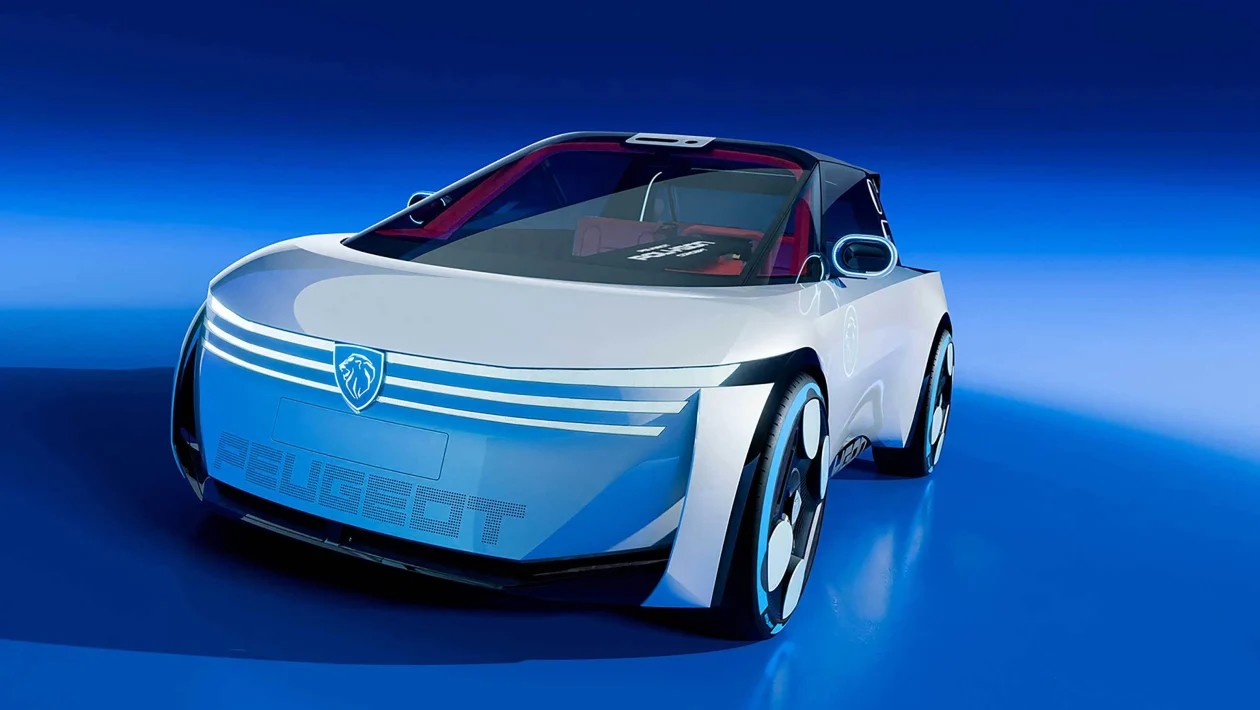
Unlike Renault’s overt retro revival with the R5 – a reboot of a 1972 classic – Peugeot will take a more restrained approach. The Polygon concept, a preview of the next 208, features striking light bars and flowing body lines, clearly distinguishing it from Renault’s chiseled, retro-modernist aesthetic.
“We’ve clearly always said we’re not into retro design: the objective is not to recreate the 205 of the past,” Favey stated. The company intends to use the past for inspiration, rather than directly recreating iconic models.
Balancing Past and Future
Peugeot acknowledges design elements from its heritage – such as the oblong graphics reminiscent of the 1980s 205 – but integrates them with futuristic features like the “hypersquare” steering wheel. This approach is intended to create a design that feels both familiar and cutting-edge.
The Competitive Landscape
Peugeot and Renault are increasingly emphasizing their historical identity as a defense against emerging Chinese automotive brands that lack established heritage. “Charismatic design” is seen as a key differentiator, giving consumers a reason to choose European brands over newcomers.
Beyond Design: Innovation and Motorsport
Peugeot’s strategy extends beyond aesthetics. The company will continue to invest in motorsport, high-performance GTI models, and new technologies – such as steer-by-wire systems – to build brand loyalty. The focus is on creating compelling products that offer more than just nostalgia.
In essence, Peugeot aims to establish itself as a forward-thinking innovator while respectfully acknowledging its past. This strategy is designed to resonate with consumers who value both heritage and cutting-edge technology, especially as the automotive market becomes increasingly competitive.