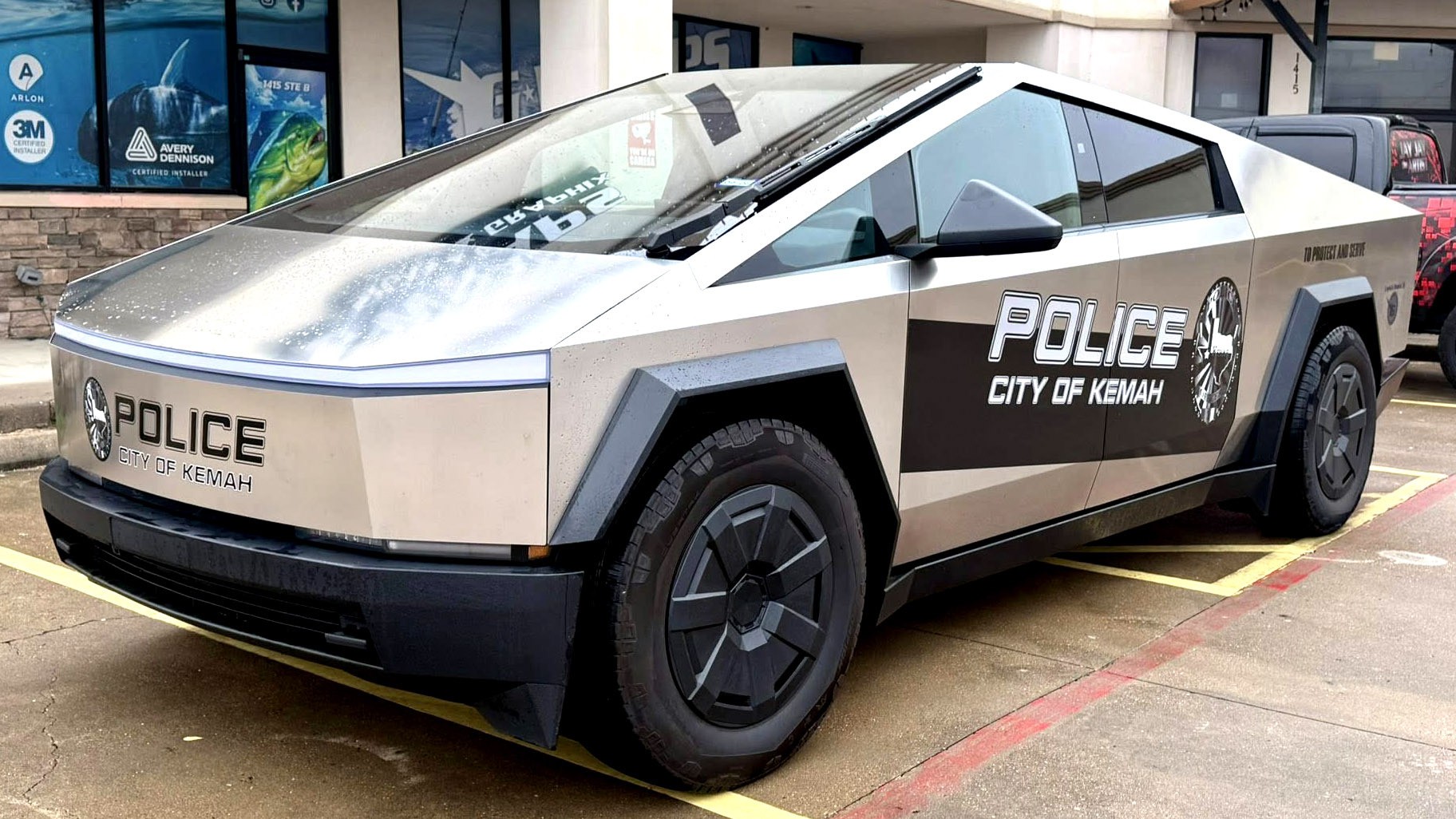
The Kemah Police Department in Texas has added a Tesla Cybertruck to its vehicle fleet, sparking a wave of humorous and critical reactions from residents. The department received the vehicle as a donation from Enterprise Leasing and intends to evaluate its suitability for patrol duty without using taxpayer funds.
Public Reaction: A Mix of Mockery and Doubt
The announcement, posted on the department’s Facebook page, quickly drew a flood of comments, ranging from lighthearted jokes to serious skepticism about the vehicle’s practicality.
Many users questioned the Cybertruck’s performance in real-world policing scenarios, with one commenter quipping, “Imagine the battery dying trying to chase someone. ” Another simply stated, “Y’all ain’t catching anyone in that. ”
The vehicle’s unconventional design also fueled mockery, with some comparing it to a “refrigerator having an identity crisis” and others noting its resemblance to a “garbage can.” One user even joked about its vulnerability to flooding, a frequent issue in coastal Texas.
Cybertrucks in Law Enforcement: A Growing Trend
Kemah’s addition of a Cybertruck to its fleet follows a broader trend of police departments across the United States adopting Tesla vehicles for law enforcement purposes. Just recently, Texas police took delivery of ten modified Cybertruck cruisers built by Unplugged Performance.
The growing interest in electric vehicles among law enforcement comes as cities and agencies face increasing pressure to reduce their carbon footprint and explore more sustainable transportation options. The Cybertruck’s rugged design and potential for customization also appeal to departments seeking unique vehicles.
Testing and Practicality
While the Kemah Police Department maintains that no public funds were used for the acquisition, the move still raises questions about the Cybertruck’s real-world effectiveness as a patrol vehicle. Factors such as range, charging infrastructure, and performance in high-speed pursuits remain key concerns.
The department plans to use the vehicle for testing and evaluation, which may provide valuable insights into its suitability for law enforcement applications. Whether the Cybertruck will ultimately prove to be a viable cop car remains to be seen.
The Cybertruck’s reception in Kemah highlights the cultural divide between traditional Texan vehicles and the state-of-the-art electric pickup. While some view it as a futuristic upgrade, many remain unconvinced, preferring the reliability of familiar gas-powered trucks.