Porsche, the luxury German automaker, is enacting a dramatic pullback from the Chinese market, signaling a major shift in strategy amid dwindling sales and rising competition. The company plans to slash its dealership network by roughly 30% by 2026, reducing its presence from approximately 150 locations at the end of 2024 to around 80. This isn’t a gradual adjustment; it’s a rapid restructuring in the world’s largest auto market.
Sales Decline and Market Pressure
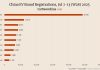
The decision comes as Porsche’s China sales have halved in just three years. In 2025, the company delivered 41,938 vehicles, a 26% drop from the previous year. This follows a broader decline since 2022, when Porsche sold nearly 96,000 cars in China. The situation is severe enough that some franchise partners have already abandoned operations, leaving Porsche to manage customer deposits and administrative fallout.
This downturn isn’t isolated; Porsche’s global deliveries also fell 10% in 2025, with China as the primary driver of the decline. While North American sales remained stable, every other region experienced a decrease.
Rise of Local Competitors
A key factor driving Porsche’s struggles in China is the surge of domestic electric vehicle (EV) manufacturers. The Porsche Taycan, the brand’s flagship EV, has faced intense competition from Chinese rivals like Xiaomi, resulting in a 22% sales drop in 2025 alone. Porsche is now shifting its focus back toward internal combustion engine (ICE) and hybrid models, at least in the short term, as it adapts to the changing market dynamics.
Cost-Cutting and R&D Investment
Porsche China CEO Pan Liqi states that the dealership closures are primarily aimed at cutting costs. The savings generated will be redirected into research and development, including Porsche’s new integrated R&D center in Shanghai. This suggests a strategic pivot towards innovation and localized product development to regain market share.
Porsche’s retreat from China is a stark reminder of how quickly market conditions can change, even in what was once a guaranteed growth engine. The company’s future success will hinge on its ability to adapt to local competition and consumer preferences.