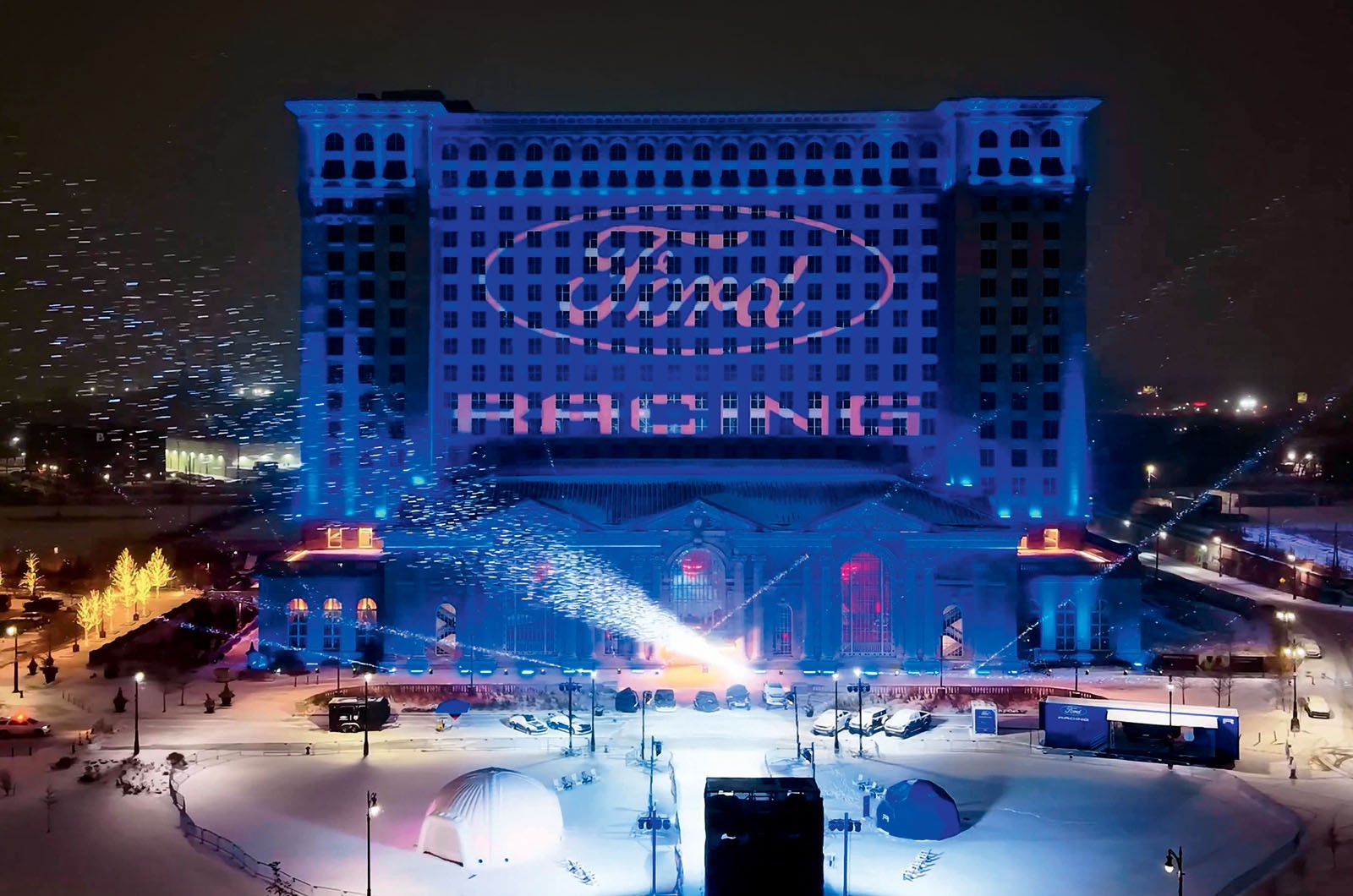
Ford Motor Company’s history is deeply intertwined with motorsport. In 1901, Henry Ford won a 10-mile race against Alexander Winton in his self-built “Sweepstakes” car, a victory that helped secure funding for the company’s launch. Now, 125 years later, Ford is doubling down on racing, with a return to Formula 1 in 2026.
A Racing Heritage Revived
The company will support racing efforts in 34 categories worldwide, including rally raids, stock cars, and GT racing. Despite a 22-year absence, Ford remains the third-most successful engine manufacturer in F1 history, with 176 race wins—behind only Ferrari and Mercedes.
The company’s previous success relied on engines built by Cosworth, including the legendary DFV.
The New Partnership with Red Bull
Ford’s latest return is structured differently. The Blue Oval has partnered with Red Bull, and the 1.6-liter V6 hybrid powertrain for the RB22 will be developed by Red Bull Ford Powertrains in Milton Keynes. The extent of Ford’s direct involvement in building the powertrain remains to be seen.
Why Return to Grand Prix Racing?
According to Chairman Bill Ford, the goal is simple: “To win.” The Ford family’s passion for racing has been a constant throughout the company’s history. However, there are business implications as well.
In a market where Ford’s product line is increasingly focused on SUVs, the question arises: Will F1 participation drive car sales, especially in regions where sporty models are less prominent? This return represents not just a nod to history but also an attempt to reassert Ford’s performance identity in the modern automotive landscape.
Ford’s legacy in motorsport has always been about more than just racing. It’s about building a reputation for innovation, engineering, and a relentless pursuit of victory—qualities the company hopes to translate into sales and brand recognition.