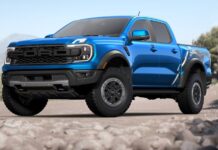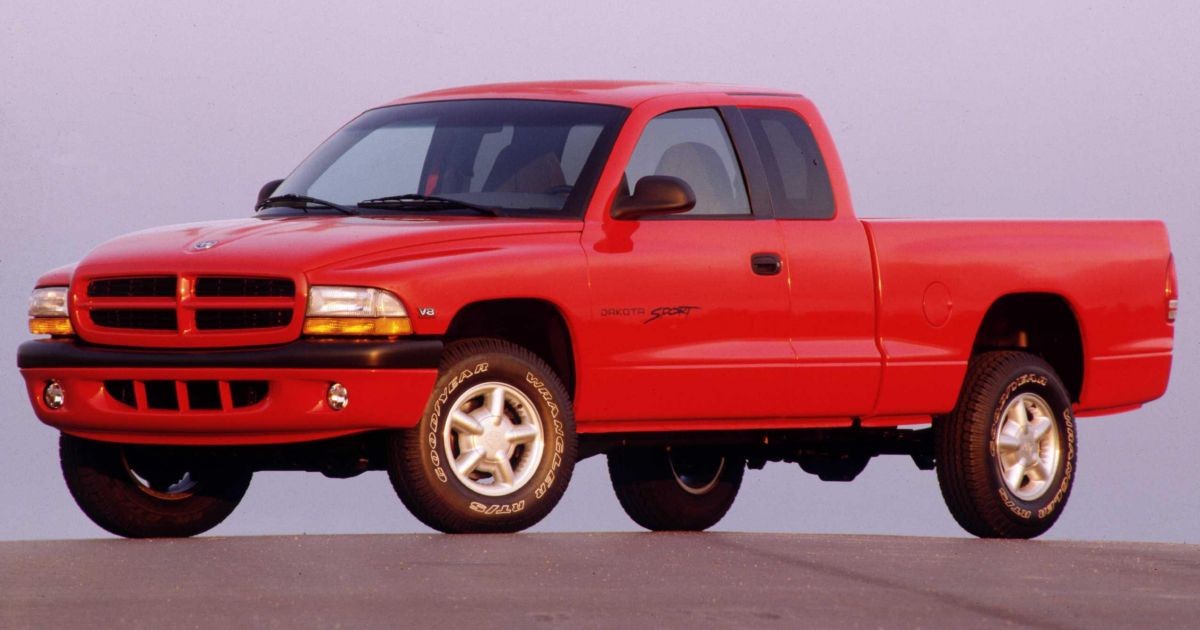
Ram is preparing to re-enter the mid-size pickup truck market with the Dakota nameplate, but in a surprising move, the company will launch two different vehicles under the same moniker. This includes a North American model and a separate, rebadged version already sold in South America, creating potential confusion for buyers.
The North American Dakota: A New Challenger
Ram’s global boss, Tim Kuniskis, confirmed that the upcoming mid-size truck will carry the Dakota name, reviving a historic badge last used in 2011. This vehicle is designed to compete directly with popular models like the Ford Ranger, Toyota Tacoma, and Chevrolet Colorado. The new Dakota will likely feature a traditional body-on-frame construction to withstand rugged use cases, and will likely offer turbocharged four- and six-cylinder engine options, with potential hybrid variants as well.
The Dakota’s return signals Stellantis’ renewed interest in the mid-size truck segment, which has seen robust sales growth in recent years. The decision to use the Dakota name is a strategic move to capitalize on brand recognition, but also risks consumer confusion due to the existence of another vehicle bearing the same name.
The South American Dakota: A Rebadged Changan F70
The second Dakota is a lightly modified version of the Changan F70, manufactured in Argentina. This model is already sold in Mexico as the Ram 1200 and will coexist alongside the North American Dakota in certain markets. This is not uncommon in the automotive industry: Ford, for example, uses the Explorer name for both a large SUV in the US and a small electric model in Europe. Nissan also markets different versions of the Frontier pickup under the same name in Latin America and North America.
The practice of using identical names for completely different vehicles is a cost-saving measure, but can easily mislead customers. The South American Dakota offers a lower-cost entry point into the Ram lineup, but lacks the design and engineering sophistication of its North American counterpart.
Why This Matters
The dual-Dakota strategy highlights a growing trend in the automotive industry: automakers leveraging existing nameplates to reduce marketing costs and streamline production. However, this approach raises questions about brand consistency and consumer clarity. Whether customers will embrace this dual identity remains to be seen, but the move underscores Ram’s willingness to adapt to market demands while preserving its heritage.
The revival of the Dakota name is a calculated gamble, balancing nostalgia with practicality. With two distinct models bearing the same badge, Ram aims to capture a wider range of buyers in the competitive mid-size truck segment.