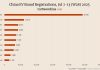
Gas prices are escalating rapidly across the United States, with New Mexico experiencing the most dramatic increase at 47% in just one month. While seasonal price fluctuations are normal, the current surge is being amplified by global instability and rising crude oil costs.
Rapid Price Hikes: A National Trend
The national average has risen by 28 cents in the past week alone, according to AAA. Several other states are following New Mexico’s lead, with Kentucky, Oklahoma, Louisiana, Arizona, Texas, Colorado, Indiana, Mississippi, and Tennessee all reporting increases of 40-44%. This translates to a significant financial burden for drivers:
- In New Mexico, filling a 15-gallon tank now costs $57.60, up from $39.15 just a month ago.
- Many metropolitan areas are nearing $4 per gallon again, despite prices still being below the record highs of June 2022.
Factors Driving the Increase
The primary drivers of these price hikes are:
- Seasonal Demand: Spring travel typically boosts gasoline consumption.
- Geopolitical Instability: The war in Iran is creating uncertainty in global oil markets.
- Limited Relief From Reserves: The White House’s release of oil from the Strategic Petroleum Reserve hasn’t immediately stabilized prices.
The speed of the current increase is especially concerning, as it suggests a more significant underlying shift than usual seasonal variations. While aggressive measures like tapping oil reserves may eventually provide relief, their impact isn’t immediate.
What This Means for Consumers
Drivers should expect continued price volatility in the short term. The combination of rising demand and global uncertainty suggests that relief at the pump is unlikely to come quickly.
The rapid increase in gas prices underscores the vulnerability of consumers to external shocks and highlights the importance of diversified energy policies.