Mercedes-Benz has officially unveiled the first C-Class Electric, marking a significant strategic shift for the German automaker. Moving away from the controversial, “egg-like” aesthetic that defined its recent EQ-branded models, this new sedan aims to blend traditional luxury with cutting-edge electric performance.
By dropping the “EQ” prefix and returning to a more conventional sedan silhouette, Mercedes is attempting to win back customers who found its previous electric designs too polarizing.
A Return to Classic Aesthetics
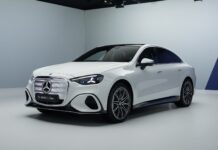
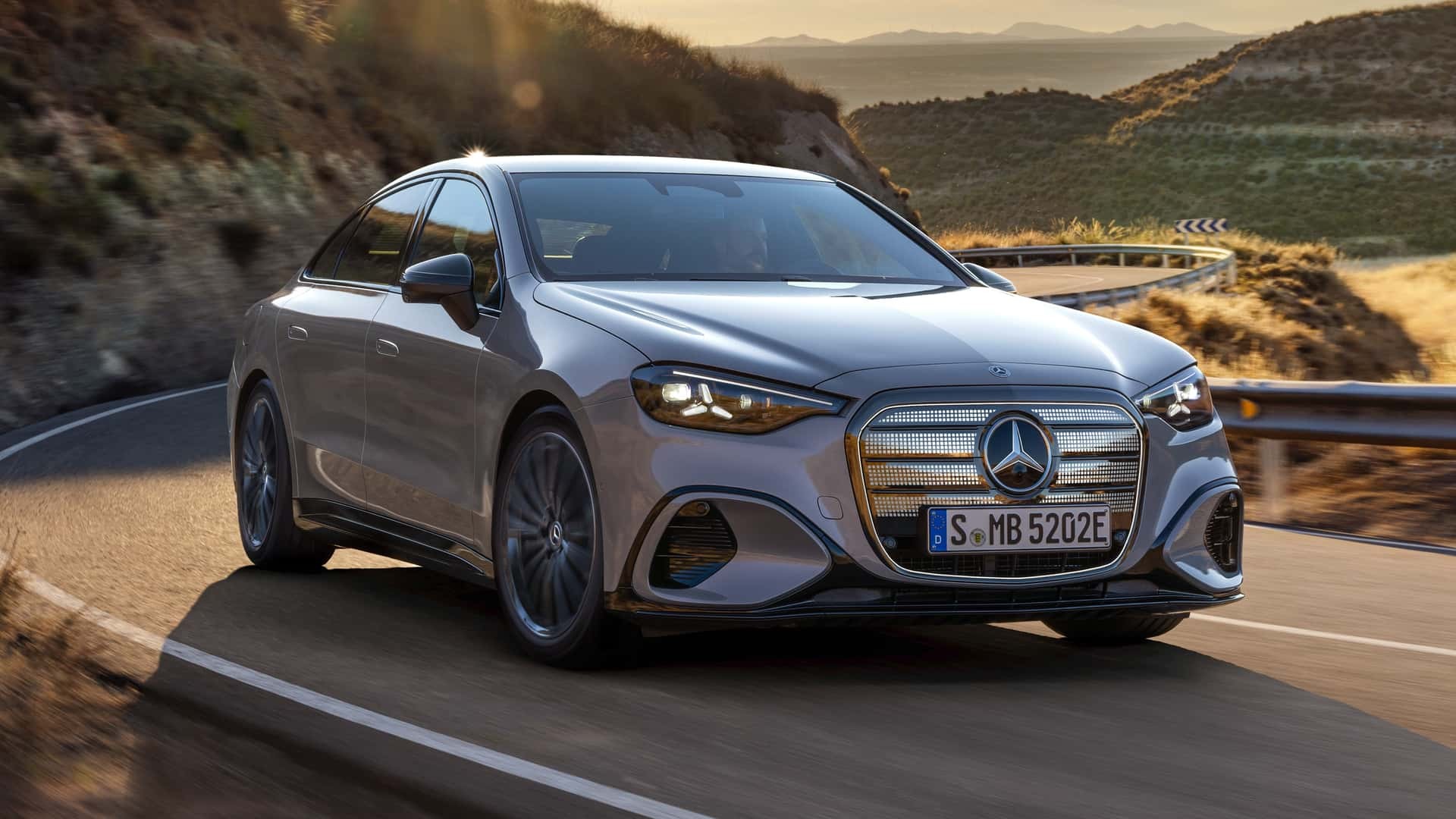
Unlike the bulbous shapes of the EQS or EQE, the C-Class Electric adopts a more sophisticated, vintage-inspired look. The design pays homage to legendary Mercedes models like the W111, featuring an imposing front end and a modern, illuminated grille.
Key design highlights include:
– Illuminated Details: An optional setup featuring 1,050 pixels in the grille and 162 illuminated stars embedded in the panoramic glass roof.
– Signature Styling: The use of the Mercedes star motif within the headlights and taillights to maintain brand identity.
– Aerodynamic Efficiency: A drag coefficient of just 0.22, which is crucial for maximizing battery range and reducing wind noise.
Performance and Range: Built for Long Distance
The initial launch focuses on the C400 4Matic, a dual-motor, all-wheel-drive powerhouse. Built on a dedicated EV platform, the vehicle offers a driving experience that Mercedes claims is “as smooth as an S-Class.”
Technical Specifications:
- Power: 482 hp and 590 lb-ft of torque.
- Acceleration: 0 to 60 mph in just 3.9 seconds.
- Range: Up to 473 miles (762 km) on the WLTP cycle.
- Charging: Supports ultra-fast DC charging up to 330 kW, capable of adding 202 miles of range in just 10 minutes.
To enhance ride quality, Mercedes has introduced predictive air suspension. This system uses Google Maps data and real-time cloud inputs to scan the road ahead, adjusting the damping before the car even hits a bump. For improved agility, optional rear-wheel steering reduces the turning circle, making the sedan feel much more maneuverable in tight urban environments.
A Digital-First Interior
The cabin is defined by massive technological integration. The centerpiece is the optional 39.1-inch Hyperscreen, a continuous glass panel that houses the driver’s instrument cluster and two 14-inch touchscreens.
While the base models offer a slightly more modest setup, the interior remains highly digital. This “all-screen” approach is a growing trend among luxury automakers, though it remains a point of contention for drivers who prefer tactile, physical buttons.
Space and Utility:
– Increased Legroom: The dedicated EV platform allows for a wheelbase 3.8 inches longer than the gasoline version.
– Dual Trunks: The absence of a combustion engine provides a 101-liter front trunk (frunk) and a 470-liter rear trunk.
– Towing: A maximum capacity of 3,968 pounds (1,800 kg).
The Road Ahead
Mercedes is not stopping with the all-wheel-drive model. To capture a broader market, the company plans to release a single-motor, rear-wheel-drive version in 2027, which is expected to boast an even greater range of approximately 497 miles (800 km).
The C400 4Matic is scheduled to arrive at U.S. dealerships in the first half of 2027, with additional variants following shortly after.
The Bottom Line: By ditching the divisive “EQ” styling in favor of a more traditional, high-performance sedan design, Mercedes-Benz is making a calculated bet that luxury buyers want electric efficiency without sacrificing the classic prestige of the C-Class brand.