The Australian automotive landscape is undergoing a rapid transformation as Chinese manufacturers aggressively expand their presence. Leading this charge is Chery Australia, which has officially confirmed that it will launch the Freelander brand in the local market by 2027.
This move is part of a broader, highly ambitious strategy by the Chery Group to introduce multiple distinct brands to Australian shores, each targeting different consumer segments.
The Chery-JLR Connection
The Freelander brand is not a standalone Chery project; it is the result of a long-standing joint venture between Chery and Jaguar Land Rover (JLR). Since 2012, these two companies have partnered in China, with Chery manufacturing vehicles for JLR’s domestic sales.
This partnership is now evolving. Rather than just manufacturing for JLR, the collaboration is pivoting toward a dual-market strategy: Chery will produce Freelander vehicles for both the Chinese market and global markets, including Australia.
A Name with History
One strategic advantage for the new brand is its name. While “Freelander” is a new brand under the Chery umbrella, the name carries significant legacy value in Australia. It was previously used by Land Rover for two generations of entry-level SUVs sold locally between 1998 and 2015.
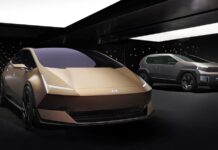
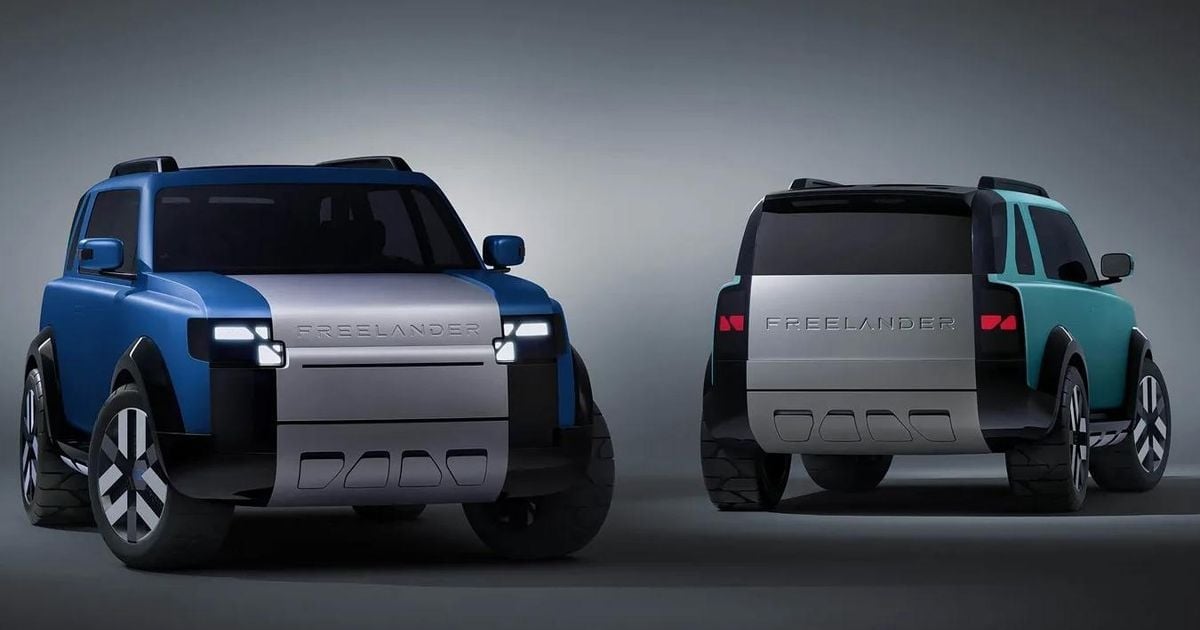
The brand’s identity was recently teased through the Concept 97, a design study that blends nostalgic elements from the original Land Rover Freelander with cutting-edge 2020s technology, such as:
– A large, free-standing infotainment touchscreen.
– A “pillar-to-pillar” digital display spanning the base of the windscreen.
– An expected powertrain utilizing Chery’s T1X platform, which supports both electric (EV) and plug-in hybrid (PHEV) configurations.
The Growing “Menagerie” of Brands
The arrival of Freelander is just one piece of a complex puzzle. Chery is preparing a staggered rollout of several brands, which may present a challenge for consumers attempting to navigate the new lineup:
- Lepas (Mid-2025): Expected to focus on small to large crossover SUVs with an emphasis on bold color palettes.
- Jetour (Mid-2026): Set to launch as an independent entity from the core Chery Group brands.
- iCaur (Early 2027): A brand focused on electric vehicles (EVs) and extended-range electric vehicles (EREVs), likely featuring “boxy” SUV designs.
- Freelander (2027): The joint-venture brand focusing on electrified, modern SUVs.
Market Challenges: Complexity and Overlap
While Chery claims these brands are designed to target different customer groups rather than a traditional “entry-level to luxury” hierarchy, the practical reality suggests significant market overlap.
For example, both Chery/Omoda Jaecoo and the upcoming Lepas brand will compete in the crossover SUV segment. Similarly, the boxy, electrified designs expected from iCaur may clash with the offerings from Freelander.
This “multi-brand” approach is a high-stakes gamble. To succeed, Chery must convince Australian buyers that these brands offer distinct identities, despite coming from the same parent organization.
The influx of Chinese brands offers Australian consumers more choice and competitive pricing, but the sheer volume of new names may create confusion in a market already saturated with traditional players.
Conclusion
Chery is betting heavily on a multi-brand strategy to capture diverse segments of the Australian market. While the Freelander name provides a sense of familiarity, the success of this expansion will depend on how clearly Chery can differentiate these new brands from one another.