For decades, Toyota’s most exclusive vehicle wasn’t Lexus – it was the Century, a full-size sedan reserved for Japan’s elite. Now, Toyota is transforming Century from a single model into a standalone ultra-luxury brand, directly challenging the world’s top automakers. This isn’t just a product launch; it’s a calculated move to reassert Japan’s automotive dominance after decades of economic stagnation.
The Century Legacy: From Post-War Rebirth to Global Ambition
The story of Century begins in the aftermath of World War II, when Japan needed a symbol of industrial revival. Kenya Nakamura, Toyota’s first chief engineer, envisioned a vehicle that defied the limitations of the time. The first Century (1967) blended cutting-edge technology with traditional Japanese craftsmanship – Edo metal engraving, Nishijin-ori brocade – creating a unique status symbol.
This bespoke approach persisted, but Japan’s economic “lost 30 years” dimmed its luster. Akio Toyoda, Toyota’s chairman, sees Century’s expansion as a necessary push to reclaim Japan’s industrial pride. The goal is not just to build cars, but to embody “the next one hundred years from Japan,” as Toyoda puts it. The foundation isn’t “zero”; it’s built on decades of automotive excellence and cultural resonance.
The Initial Lineup: Sedans, SUVs, and Sliding-Door Coupes
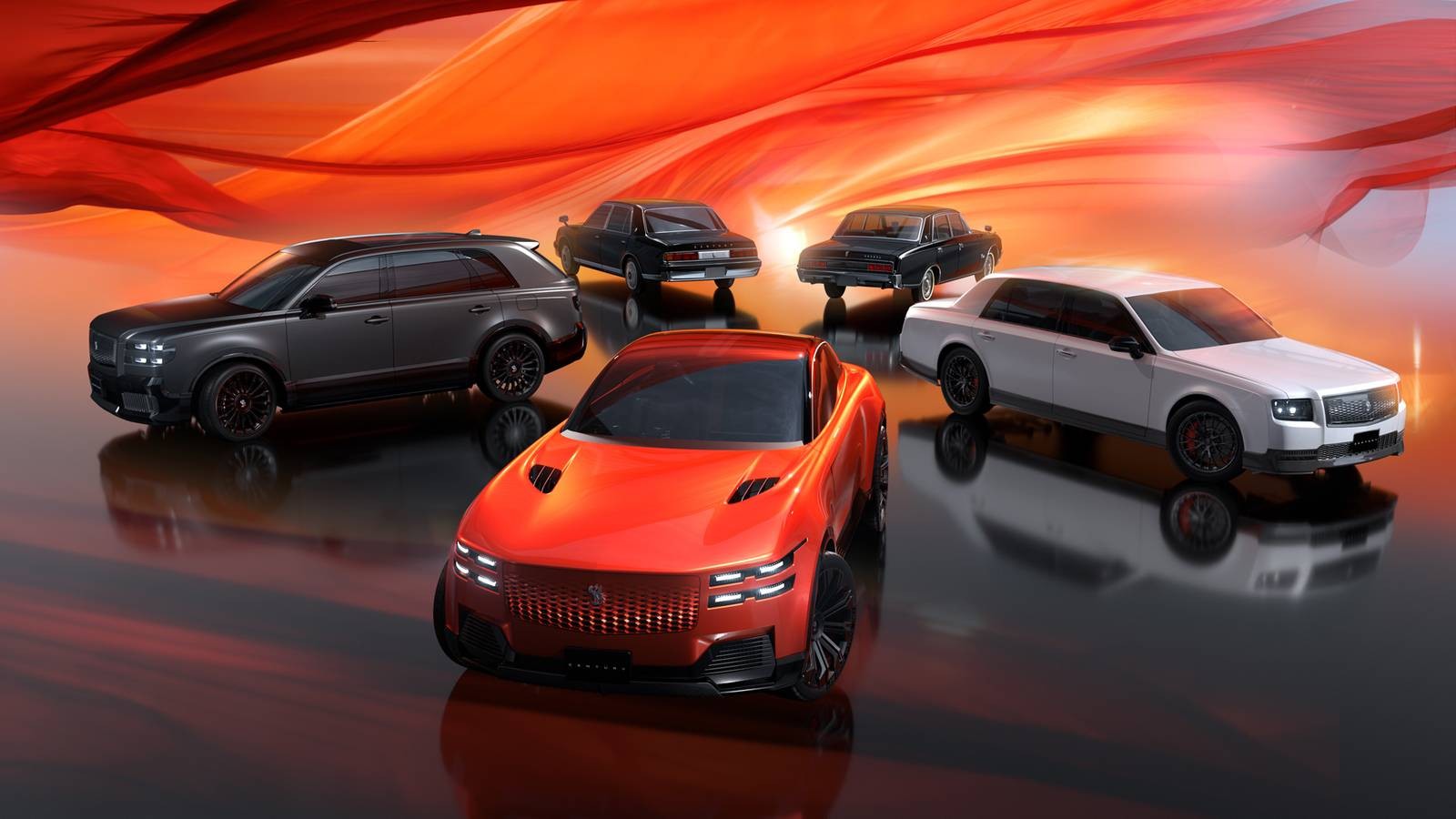
Toyota’s immediate strategy is to offer a range of ultra-luxury vehicles, starting with familiar models and introducing radical new concepts. The Century sedan, already the preferred choice for Japanese executives, will continue with its 5.0-liter V-8 hybrid powertrain. More notably, the Century SUV – previously exclusive to China – will now be available globally, powered by a 406-horsepower V-6 plug-in hybrid with a 43-mile electric range.
The real showstopper is the Century Coupe Concept: a high-riding four-door coupe with sliding rear doors and a pillarless cabin. This design emphasizes luxury and space, rivaling even the Century SUV in passenger comfort. Toyota also showcased GRMN variants of both the sedan and SUV, reserved for exclusive, high-performance builds.
Lexus: A Shift in Focus
Century’s rise doesn’t mean Lexus is irrelevant. Toyota plans to free Lexus from the burden of being the sole luxury brand, allowing it to pursue bolder, more experimental designs. The LS Concept six-wheeler luxury van, the LS Coupe Concept with suicide doors, and the LS Micro Concept (a tiny, single-person luxury vehicle) demonstrate this new direction. Lexus will now focus on radical ideas, while Century embodies the pinnacle of bespoke luxury.
The Bigger Picture: Japan’s Automotive Renaissance
Toyota’s move with Century is a direct response to the growing dominance of Chinese automakers in the EV market. By elevating Century to a global brand, Toyota aims to reassert Japan’s position as an automotive powerhouse. This isn’t just about selling cars; it’s about projecting national pride and technological leadership on the world stage.
Century’s success will depend on its ability to deliver truly unique experiences – a blend of Japanese craftsmanship, cutting-edge technology, and uncompromising luxury. If Toyota executes this vision, Century could become the next icon in the ultra-luxury segment.