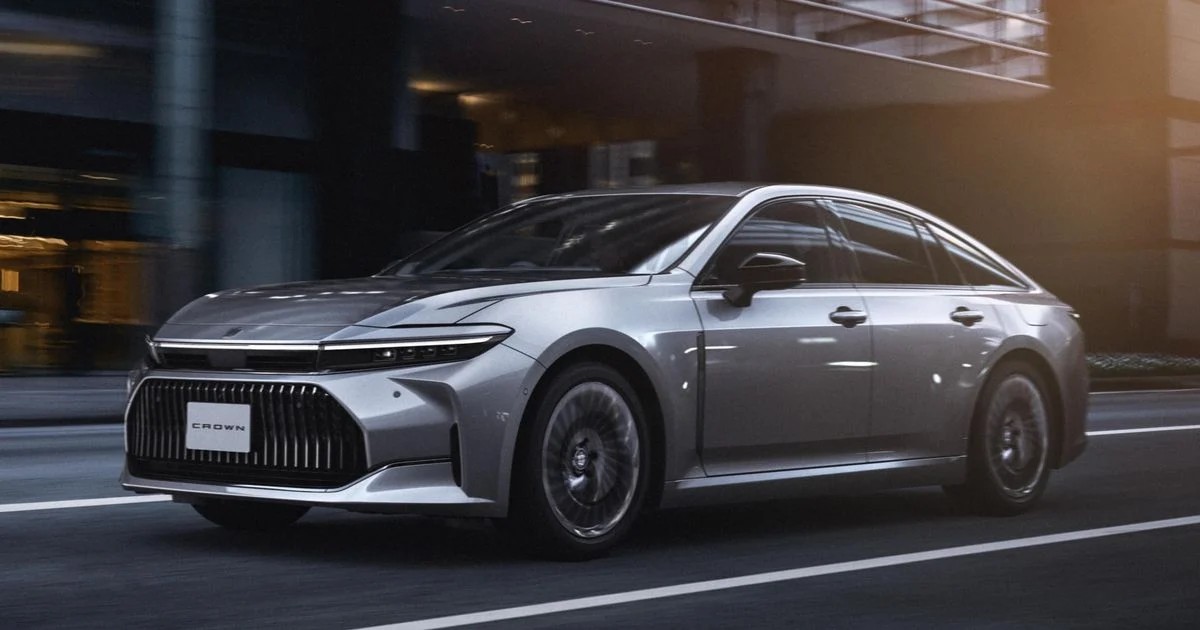
For the sixth consecutive year, Toyota Motor Corporation has secured its position as the world’s top-selling automaker. The Japanese manufacturer sold 11,212,092 vehicles globally in 2024, a 4.8% increase over the previous year. This solidifies Toyota’s dominance amidst shifting market dynamics and increasing competition.
Key Figures & Market Performance
Toyota’s success spans its core brands: Toyota, Lexus, and Daihatsu. While Hino, its truck division, faced a 12.0% sales decline following emissions fraud settlements, the overall group performance remained strong. Daihatsu experienced a significant 46.1% surge in sales within Japan, offsetting losses in other regions.
By contrast, the Volkswagen Group saw a 0.5% decrease in sales, totaling 8,983,900 vehicles. This gap between Toyota and Volkswagen highlights a growing disparity in global automotive leadership.
Regional Trends & Competitive Landscape
The two automotive giants present contrasting regional performances. Toyota’s growth was driven by robust sales in the United States (up 8.0%) and Japan (up 4.1%). Volkswagen, however, struggled in the US due to trade tensions, and its position in China continued to weaken.
The Chinese market is a critical battleground, where Volkswagen lost its top sales spot to BYD in 2023 after holding the crown for nearly four decades. Despite still leading in combustion engine vehicle sales in China, the broader trend points towards increasing domestic competition.
Electrification & Drivetrain Shift
Toyota maintains a strong lead in hybrid technology, with full hybrids accounting for 42.1% of its sales. The rise of mild-hybrid options, particularly in models like the HiLux ute, further reinforces its position.
Volkswagen’s electric vehicle (EV) sales grew by 32.0% to 983,100 units, representing 10.9% of its total sales. Despite becoming Europe’s top EV brand, overtaking Tesla, Volkswagen experienced a sharp decline in EV sales in China.
The shift to electrification remains uneven globally, with fluctuating tax incentives and market preferences impacting EV adoption rates.
Long-Term Implications
Toyota’s continued sales leadership underscores its ability to adapt to changing consumer demands and maintain strong production efficiency. The growing gap between Toyota and Volkswagen suggests a potential structural shift in the global automotive hierarchy.
The competitive pressure in China, the rise of domestic EV manufacturers, and the overall transition to electric mobility will reshape the industry in the coming years. Toyota’s hybrid strategy and Volkswagen’s EV push will be critical factors in determining which automakers thrive in this evolving landscape.