New car sales in the UK rose by 7.2% in February, reaching 90,100 registrations—the highest figure for the month since 2004. This increase was driven by a notable surge in private buyers (up 17.6%) who traditionally wait for March’s new registration plate changes. Fleet sales, accounting for over half the market (59.4%), also saw a modest 1.8% rise.
However, electric vehicle (EV) growth is stalling, with February registrations increasing by only 2.9% to just under 22,000 units. This is a decline from January’s roughly 29,600 EV registrations, and it puts the UK significantly behind the government’s Zero-Emission Vehicle (ZEV) Mandate target of 33% EV market share for the year.
The ZEV Mandate imposes fines of £12,000 on manufacturers who fail to meet EV sales quotas, though they can offset these by purchasing credits from companies exceeding their targets. Despite this, the latest data paints a concerning picture. Last February saw slower overall registrations, but EV sales jumped over 40% year-on-year, achieving a market share above 25%. This contrast demonstrates a significant slowdown in consumer appetite for EVs.
“The pace of EV adoption is slowing, and the UK may struggle to meet its ambitious climate targets without further incentives or policy changes.”
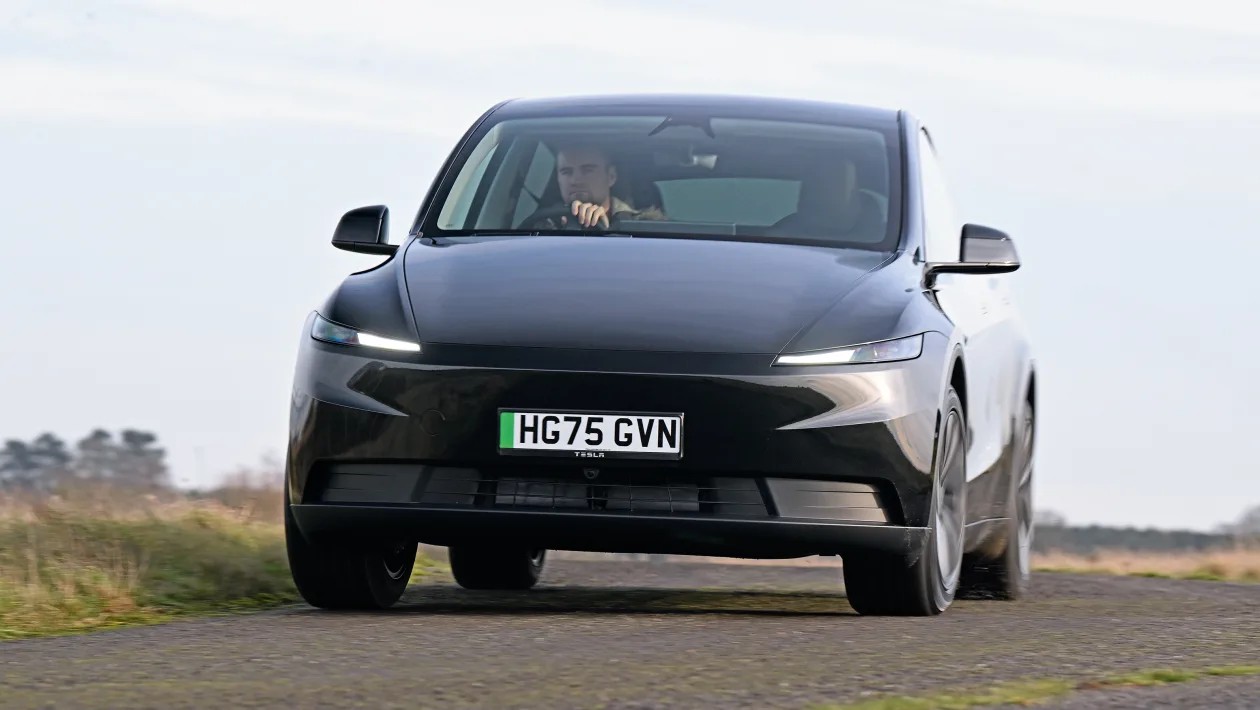
Tesla registrations, for example, dropped by 37% in February, though the company claims current orders remain strong. Meanwhile, plug-in hybrids saw a massive 43.5% increase, growing their market share from 8.7% to 11.6%. Traditional hybrids also rose by 3.3%, and petrol car sales increased by 5.2% (over 41,000 registrations). Diesel continues its decline, falling by 3.8% to a 4.5% market share.
Industry experts remain cautiously optimistic, citing the upcoming March registration changes and ongoing government support for EVs. However, the underlying trend suggests that consumer behavior is shifting, and the transition to fully electric vehicles may not happen as quickly as policymakers hoped.
The slowdown in EV sales raises questions about the effectiveness of current incentives and the broader economic factors influencing consumer choices. Without a renewed push, the UK risks falling short of its climate goals and facing substantial penalties under the ZEV Mandate.