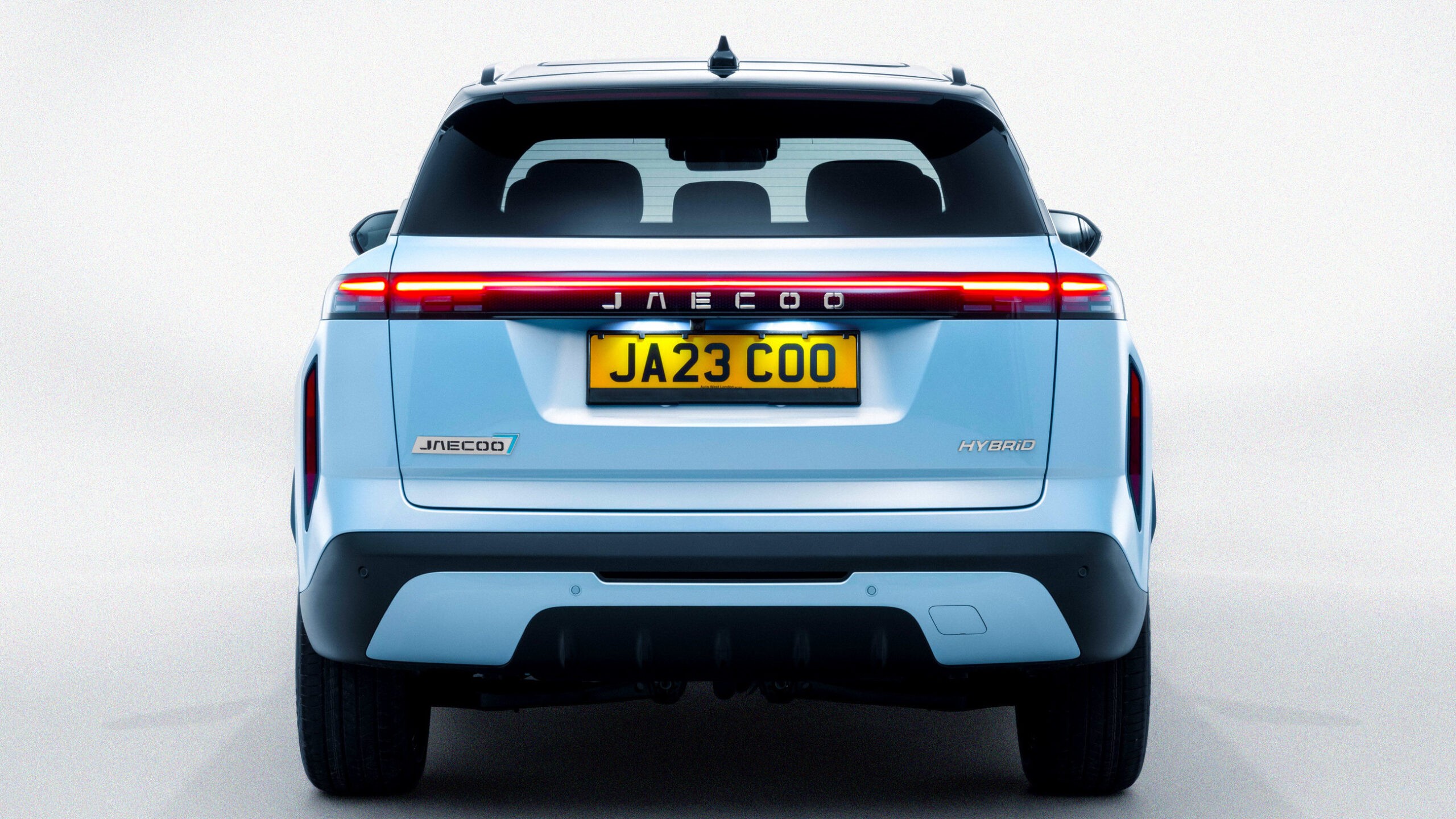
In a historic shift for the British automotive market, a Chinese-made SUV has claimed the number one position in monthly sales for the first time. The Jaecoo 7, a compact SUV from the Chery group, topped the UK registration charts in March 2026, signaling a significant change in consumer preferences and the growing influence of Chinese manufacturers in Europe.
The Rise of the “Temu Range Rover”
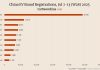
The Jaecoo 7’s ascent was nothing short of rapid. In March, it recorded 10,064 registrations, successfully outperforming established industry heavyweights such as the Ford Puma (9,193 units) and the Nissan Qashqai (8,718 units).
The vehicle has gained significant social media traction, earning the nickname “Temu Range Rover” due to its premium aesthetic that closely mimics luxury British SUVs while maintaining a much more accessible price point. This “bargain-luxury” positioning appears to be resonating strongly with UK buyers.
Key factors driving the Jaecoo 7’s success include:
– Competitive Pricing: With prices ranging from £29,105 for gasoline models to £35,175 for plug-in hybrids (PHEV), it undercuts many established rivals in the same segment.
– Hybrid Dominance: The plug-in hybrid version, featuring the Super Hybrid System (SHS-P), accounted for 85% of the model’s March sales.
– Efficiency and Tax Benefits: Its ability to travel up to 56 miles on electric power alone makes it an attractive option for fleet buyers looking to minimize tax costs.
– Brand Assurance: To combat the skepticism often faced by new entrants, Chery offers a 7-year warranty and has rapidly expanded its UK retail network to 124 locations.
A Record-Breaking Month for Electrification
The Jaecoo 7’s success coincided with a broader surge in the UK automotive market. According to the Society of Motor Manufacturers and Traders (SMMT), March saw 380,627 new car registrations, marking the strongest month for the industry since 2019.
The data highlights a massive pivot toward electrified powertrains:
– Plug-in Hybrids (PHEV): Saw a massive 46.9% surge, capturing 13% of the total market.
– Battery Electric Vehicles (BEV): Jumped by 24.2%, marking the highest volume of fully electric registrations ever recorded in the UK.
– Self-charging Hybrids: Increased by 7.3%, holding a 15.8% market share.
While these numbers are record-breaking, they also highlight a growing tension in the industry. Despite the surge in BEV sales, the 22.6% market share for electric vehicles remains significantly below the UK government’s 33% Zero Emission Vehicle target set for 2026.
Economic Headwinds and Market Fragility
Despite the headline-grabbing sales figures, the industry faces a complex and potentially volatile landscape. Several underlying trends suggest that this momentum may be difficult to sustain:
- Thinning Margins: Automakers are reportedly relying heavily on discounts to maintain sales volumes. This, combined with battery costs running 30% higher than projected, is putting immense pressure on manufacturer profit margins.
- Infrastructure and Cost Concerns: While EV adoption is rising, public charging prices have surged by 140% over the last five years, potentially dampening long-term consumer enthusiasm.
- Geopolitical Instability: The ongoing crisis in Iran has introduced new uncertainties. While rising fuel prices can act as a catalyst for EV adoption, the broader economic instability and rising cost of living threaten to erode overall consumer confidence.
“The headlines belie the costs incurred and the challenges involved,” warns Mike Hawes, SMMT Chief Executive, noting that much of the March success stems from orders placed before recent geopolitical shifts.
Conclusion
The Jaecoo 7’s success marks a turning point where Chinese brands are no longer just competitors, but market leaders in the UK. However, the industry’s ability to maintain this growth remains precarious, caught between record-breaking electrification trends and mounting economic and geopolitical pressures.